
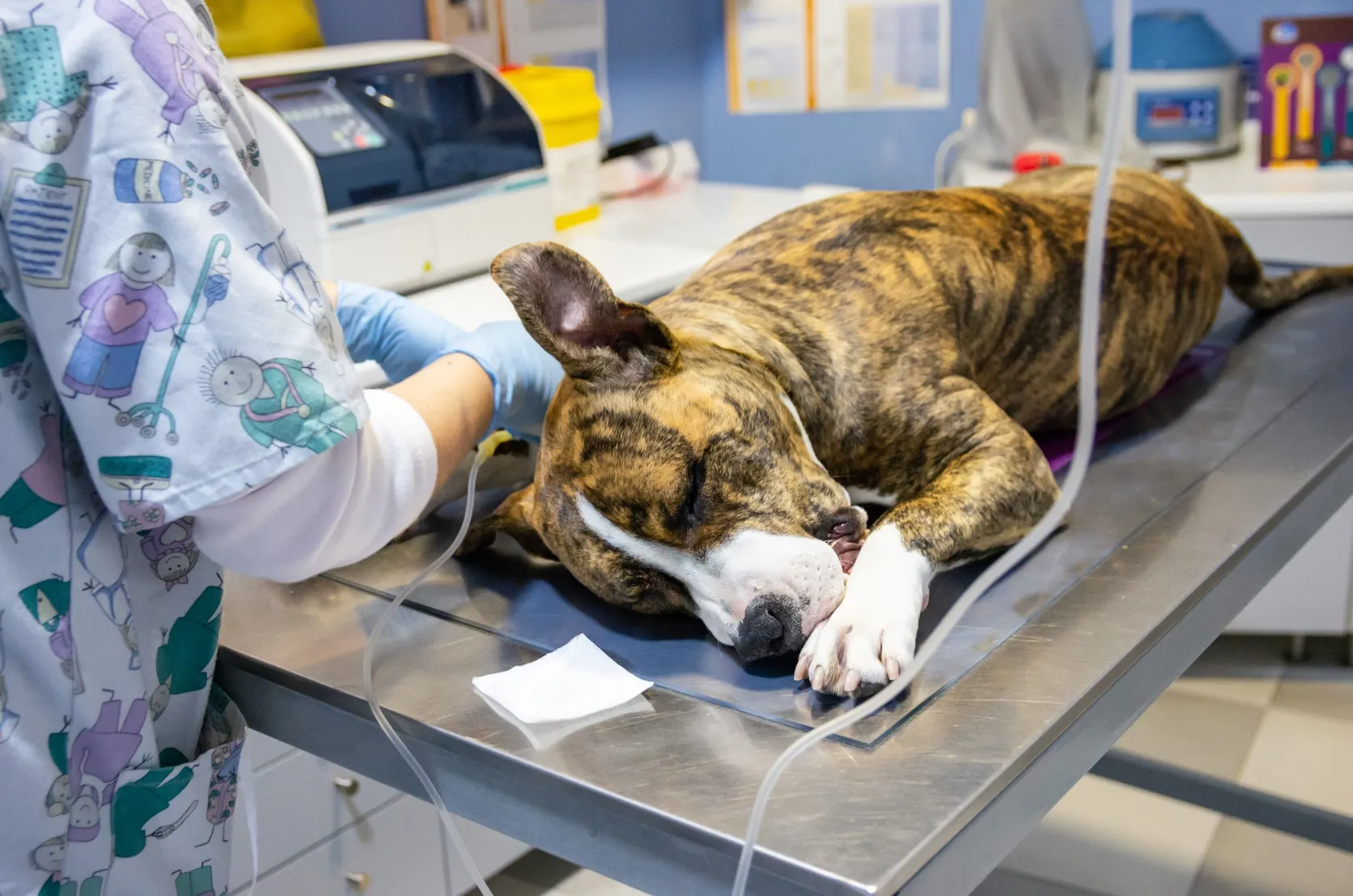
When your pet needs help, you want the best care available. Lower Sackville, NS veterinary clinics offer a range of common procedures to keep pets healthy. Understanding these procedures can give you peace of mind. First, vaccinations protect pets from diseases. Second, dental cleanings ensure your pet’s mouth stays healthy. They prevent issues that can cause pain. Third, spaying and neutering help control the pet population. These procedures also reduce certain health risks. Fourth, routine physical exams catch potential problems early, ensuring timely intervention. Each procedure involves specific steps, so you know what to expect. With knowledgeable staff, these hospitals provide expert support. Your pet’s well-being is their priority, ensuring proper treatment and care. Knowing these procedures helps you make informed decisions for your pet’s health. You can trust their expertise to ensure your furry friend stays happy and healthy for years to come.
Vaccinations: Shielding Your Pet from Disease
Vaccinations play a crucial role in your pet’s health. They work by exposing pets to a harmless form of a disease, teaching their immune system to fight it. This protection keeps both your pet and the community safe. Vaccines prevent ailments like rabies, distemper, and parvovirus, each of which can be deadly. Most veterinarians recommend starting vaccinations when pets are still young. This early start ensures a strong defense. Additionally, some vaccines require boosters to maintain their effectiveness. Therefore, it’s important to follow your veterinarian’s guidelines.
Dental Cleanings: Keeping That Smile Healthy
Dental health is more than fresh breath. Regular dental cleanings prevent tartar buildup and gum disease. These issues can lead to oral pain and may affect your pet’s overall health. A veterinary dental cleaning typically involves removing plaque and tartar, polishing teeth, and sometimes, extracting problematic teeth. According to the American Veterinary Medical Association, poor dental health can impact heart and kidney function, making routine care vital.
Spaying and Neutering: Population Control and Health Benefits
Spaying and neutering are common procedures that offer several benefits. They prevent unwanted litters, reducing the strain on animal shelters. Beyond population control, these procedures lower the risk of certain cancers and diseases. For instance, spaying can prevent uterine infections and breast tumors, while neutering can prevent testicular cancer. This surgery is usually recommended for pets at a young age, but older pets can still benefit.
Routine Physical Exams: Early Detection Saves Lives
Regular check-ups are key to catching any health issues early. During a routine exam, the vet will assess your pet’s overall health, checking for signs of illness. This exam might include listening to the heart and lungs, checking weight, and examining ears and eyes. Early detection through routine physical exams can identify problems before they become serious, ensuring better outcomes and less stress for you and your pet.
Comparison of Procedure Benefits
|
Procedure |
Primary Benefit |
Additional Advantages |
|---|---|---|
|
Vaccinations |
Prevents diseases |
Protects community |
|
Dental Cleanings |
Prevents oral disease |
Improves overall health |
|
Spaying/Neutering |
Controls population |
Reduces health risks |
|
Routine Exams |
Early disease detection |
Timely intervention |
By understanding these procedures, you are better equipped to ensure your pet receives the care they deserve. For more detailed information on preventive veterinary care, consult resources like the Centers for Disease Control and Prevention, which provide guidelines and tips for pet health. Always remember, your pet relies on you to make informed and compassionate choices that affect their well-being.

Comments are closed.