
Cats are not just furry companions with a penchant for napping in sunny spots; they are complex creatures with a sophisticated method of communication. Understanding the science behind cat sounds can greatly enhance the bond between cats and their human companions.
From the soft purrs that signal contentment to the sharp hisses indicating distress, every sound a cat makes has a purpose and meaning. This exploration into the science of cat sounds will delve into why cats communicate, how they use their unique vocalizations to interact with humans and other animals, and what research tells us about this fascinating aspect of feline behavior.
A Symphony of Meows: The Basis of Cat Vocalizations
Cats possess a wide range of vocalizations, each serving a specific communicative function. According to a study by Nicastro and Owren (2003), domestic cats have developed a sophisticated system of vocal signals that extend beyond the capabilities observed in their wild counterparts. This range includes meows, purrs, hisses, growls, and chirrups, among others. The study suggests that domestication has led to an expanded repertoire of sounds, particularly in interactions with humans.
The Purposeful Meow
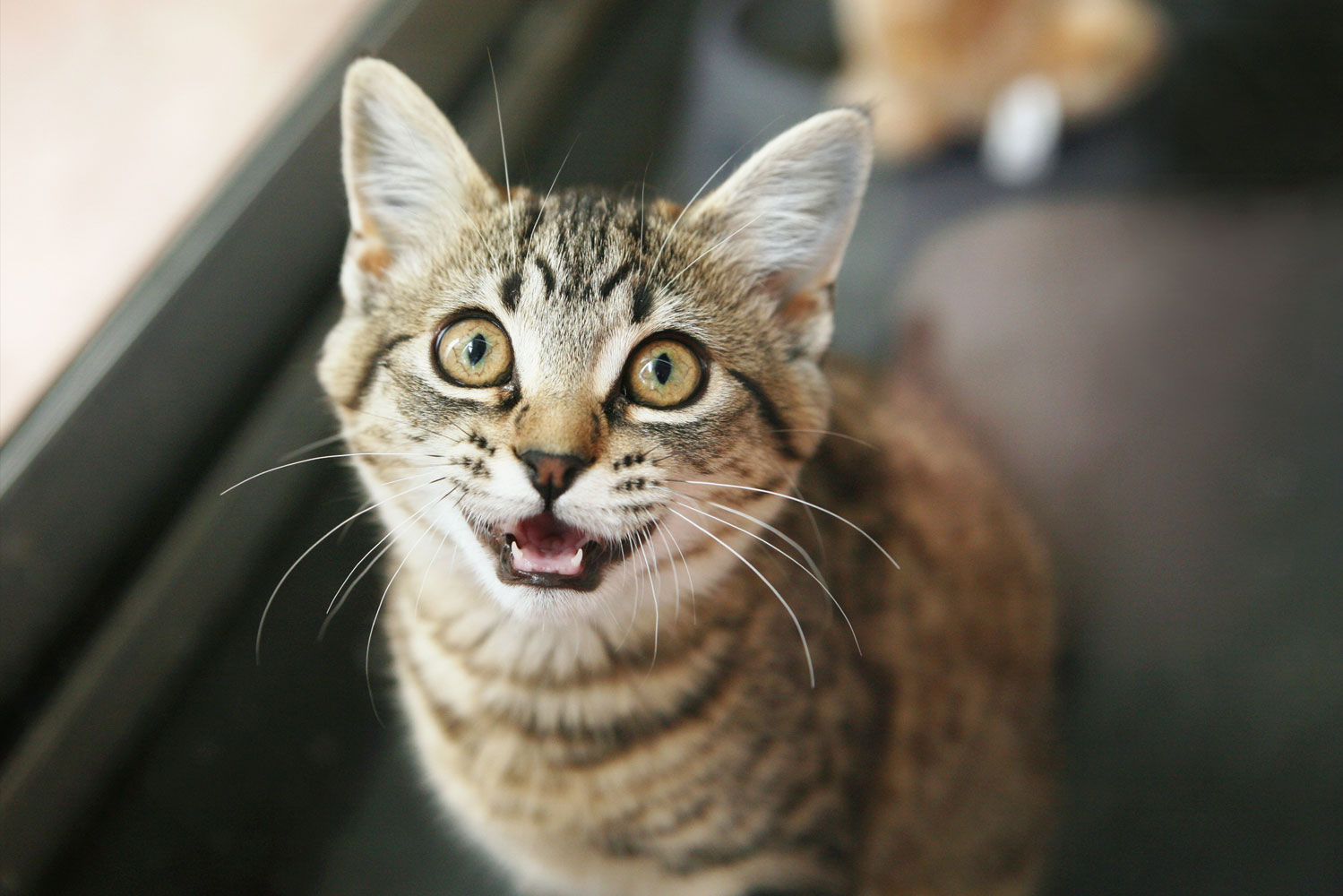
Meowing is perhaps the most well-known cat sound, primarily used for cat-to-human communication. Contrary to common belief, adult cats rarely use meows to communicate with each other. A pivotal study by the University of Georgia revealed that cats meow as a way to signal their needs and desires to their human companions, whether it’s food, attention, or entry into a room. This vocalization can vary in pitch, length, and tone, depending on what the cat is trying to communicate.
Purring: More Than Just Contentment
The purr is another sound that is often associated with cats, typically signifying contentment. However, the science behind purring reveals a more complex picture. Research published in the “Journal of Veterinary Behavior” has shown that cats may also purr when in pain or distress, suggesting a self-soothing mechanism or a way to communicate their need for care. Understanding their vocalizations, along with monitoring their growth through tools like a kitten weight chart, can help caretakers better attend to their needs.
Hisses and Growls: The Sounds of Warning
Hisses and growls serve as warning signals, indicating fear, aggression, or territorial defense. These sounds are more primal and are used in both cat-to-cat and cat-to-human communications. A study from the University of Lincoln found that hissing can escalate to physical aggression if the warning is not heeded, highlighting the importance of understanding and respecting these vocalizations.
The Complexity of Cat Communication
What makes cat sounds particularly fascinating is their complexity and the ability of cats to modulate their vocalizations based on their audience. A study by McComb et al. (2009) found that cats often alter their meows when communicating with humans, producing what is sometimes referred to as a “solicitation purr.” This purr combines a typical purring sound with an embedded high-frequency meow, resembling a baby’s cry, which is speculated to exploit humans’ innate nurturing responses.
Interpreting Cat Sounds: A Guide for Pet Owners
Understanding the nuances of cat sounds can greatly enhance the relationship between cats and their owners. Recognizing the context and variations in vocalizations is key to interpreting what our feline friends are trying to tell us. For example, a high-pitched meow might indicate a greeting or a request for attention, while a lower-pitched, more drawn-out meow could signify annoyance or impatience.
The Role of Science in Understanding Our Feline Friends
Research into feline vocalizations not only enriches our understanding of cat behavior but also improves the welfare of these beloved pets. By deciphering the meanings behind cat sounds, we can respond more effectively to their needs and emotions, fostering a deeper mutual understanding and a stronger bond.
Conclusion
The science of cat sounds is a testament to the complex and nuanced nature of feline communication. As we continue to explore and understand the meanings behind each purr, meow, hiss, and chirrup, we not only deepen our connection with our feline companions but also open new avenues for enhancing their welfare and happiness.
The next time you hear a meow or a purr, remember that it’s part of a sophisticated language developed over thousands of years of cohabitation with humans. By listening closely and responding with care, we can ensure that our communication with these enigmatic creatures is as fulfilling for them as it is for us.

Comments are closed.