
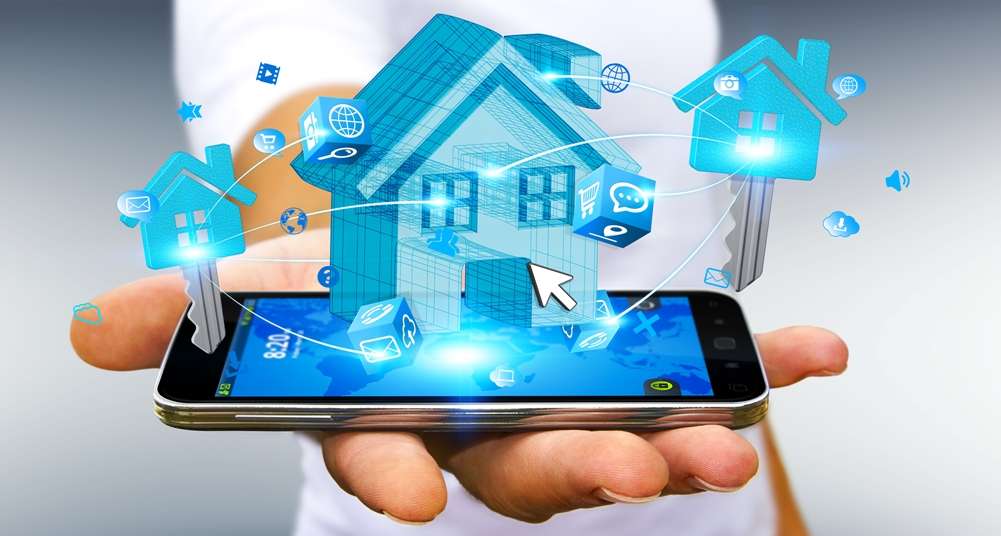
Smart home devices are increasingly accepted in India’s urban centres, with adoption rates climbing steadily over the past three years. The current state of India’s smart home market and the unique factors shaping its growth are analyzed by www.hinduwire.com. While still behind global averages, metropolitan cities show distinct patterns in how residents integrate connected technology into their homes.
From luxury to necessity
Smart home technology initially entered Indian metros as status symbols for affluent tech enthusiasts. This perception shifts rapidly as practical benefits become apparent to broader segments of urban households. Security cameras, smart speakers, and automated lighting now appear in middle-income homes across major cities. The transition from luxury curiosity to practical household tool marks a critical inflexion point in adoption curves. Price reductions play a significant role in this shift.
Entry-level smart speakers now cost about the same as mid-range headphones. Affordable security cameras rival traditional systems in price while offering remote monitoring capabilities. This accessibility is considered smart home technology for families previously priced out of the market. The functionality emphasis shifts alongside this democratisation. Early adopters focus on novelty and technical capabilities, while mainstream users prioritise practical benefits that address specific household needs.
City-specific adoption patterns
- Regional differences stem from variations in housing types, security concerns, and environmental factors. Apartment-dwelling urbanites in Mumbai select different solutions than those in Delhi’s mix of apartments and independent homes. Local challenges shape technology priorities more than marketing campaigns or global trends.
- Variations extend beyond device categories to usage patterns. Bangalore’s tech-savvy population creates more complex automation routines connecting multiple systems. Mumbai users focus heavily on remote monitoring capabilities while away from home. Delhi residents value air quality data tracking and purification scheduling features reflecting seasonal pollution variations.
Voice assistant localisation
- Voice control stands out as the feature driving adoption across all metropolitan areas. The ability to operate devices through speech rather than apps removes friction, particularly for older family members who are less comfortable with smartphones. Recent improvements in Hindi, Tamil, Telugu and other Indian language recognition dramatically expanded the user base.
- Families report multiple generations now engaging with smart home systems through voice commands. Grandparents who struggled with app interfaces comfortably request music, check the weather, or control lights through simple spoken instructions. This accessibility bridges technology divides within households and accelerates adoption.
- Localisation extends beyond mere language recognition to include contextual understanding of Indian household needs. Voice assistants now recognise regional festivals, local events, and cultural references that previously confused recognition systems. This cultural adaptation creates more natural interaction experiences than earlier versions designed primarily for Western markets.
- Multilingual households particularly benefit from these improvements, with voice systems now seamlessly handling commands across language boundaries. This flexibility matches the linguistic fluidity common in Indian urban households, where family members mix language situationally. The resulting natural interaction removes barriers that previously limited adoption in multilingual environments.
The smart home market in Indian metropolitan cities follows its distinctive path rather than simply replicating Western adoption patterns. Cultural preferences, living arrangements, and practical challenges create a uniquely Indian smart home ecosystem worth watching as it continues evolving through the coming years.

Comments are closed.