
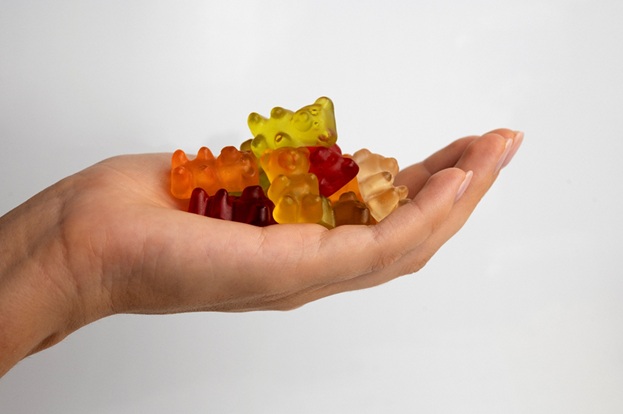
Many people have heard about hemp-derived Delta-9 (D9) THC gummies and have an interest in the product. However, before heading to your nearest CBD shop, consumers want to know clear and credible information about the products. This article will explore what federal law has to say about the product, how safety is determined, and how state laws can affect the ability to consume D9 gummies. The purpose of the article is to assist diligent consumers with an understanding of the practical landscape around cannabis edibles.
Understanding the 2018 Farm Bill
The 2018 farm bill removed “hemp” from the federal Controlled Substances Act and defined it with a threshold hard limit: cannabis and its derivatives that had a maximum of 0.3% Delta-9 THC by dry weight. This definition created a pathway for hemp-derived products (including gummies) to be marketed legally at the federal level. Also, states were able to create stricter standards.
Before we move on, it is helpful to keep a few things in mind:
- Hemp = cannabis that contains 0.3% Delta-9 THC by dry weight or less; the presence of anything above that threshold is defined in federal law as marijuana.
- Federal legality does not guarantee state legality; intoxicating hemp products can be regulated or banned by the states.
- Compliance is product specific; compliance determined by some labels, testing, packaging and products will apply.
Are Hemp-Derived D9 Gummies Federally Legal?
At the federal level, a D9 gummy would be lawful if the CA concentrations per piece and total package allowed it to meet the threshold of 0.3% dry weight and meet any applicable FDA and USDA regulations. However, federal agencies have flagged safety and marketing concerns and do not “approve” over-the-counter THC edibles. States can – and do – layer stricter limits, such as age gates, serving caps or bans on specific forms.
Visit https://www.fda.gov/news-events/congressional-testimony/hemp-production-and-2018-farm-bill-07252019 to learn more.
Do D9 Gummies Show Up on Drug Tests?
Yes. Standard workplace or probation tests usually screen for THC metabolites (i.e. THC-COOH). Because hemp-derived D9 is chemically identical to marijuana-derived D9, it can generate a positive test result. The window of detection may differ based on use frequency, dose and individual factors; abstention is the only assured way to prevent a positive result. Those who are drug tested need to exercise caution, regardless of whether they are ingesting hemp-derived THC or not.
How Lab Testing Ensures Safety
Third-party lab testing is the primary consumer protection vehicle in the space. Reputable brands will offer a Certificate of Analysis (COA) for each batch so that consumers can assess potency and purity. COA’s are usually linked by QR codes on the packaging or found here on brands’ web pages.
When researchers review a COA, they focus on:
- Potency accuracy: This checks for Delta-9 levels matching what is on the label and within legal limits and is important when microdosing and avoiding unintentional intoxication.
- Contaminant screening: These lists pesticides, heavy metals, residual solvents and microbes related to supporting the safety of cannabis edibles.
- Batch-specific & date: This demonstrates that the test reflects the specific lot purchased and is current.
- Completeness of panel: Strong panels include other cannabinoids beyond D9 for understanding full-spectrum hemp and the entourage effect, etc.
States Where D9 Gummies May Be Restricted
Regulations vary tremendously and evolve frequently, but a few short examples illustrate the contrasts: Idaho requires retail products to contain zero THC, which effectively prohibits the sale of hemp-derived D9 gummies.
California’s emergency rule prohibits hemp foods, beverages and dietary products with any detectable intoxicating cannabinoid and directs THC items to the licensed cannabis market. Alabama recently established a new framework that prohibits smokable hemp and limits potency for herbaceous hemp and consumable hemp (e.g. per serving and per package limits). Texas is unsettled, with ongoing discussion over bans versus stricter regulations. Before buying or traveling with hemp-derived THC, check current local policy. Read more on this page.
Bottom Line
Theoretically, hemp-derived D9 gummies can be federally legal; however, the ability to safely consume them depends on reputable, third-party testing and COA’s. Due to the differences in how state-level regulation works, we pretty much have all figured out that hemp truly is an umbrella term, and it seems effective to always be cautious and confirm local regulations and test reports prior to consumption.

Comments are closed.