
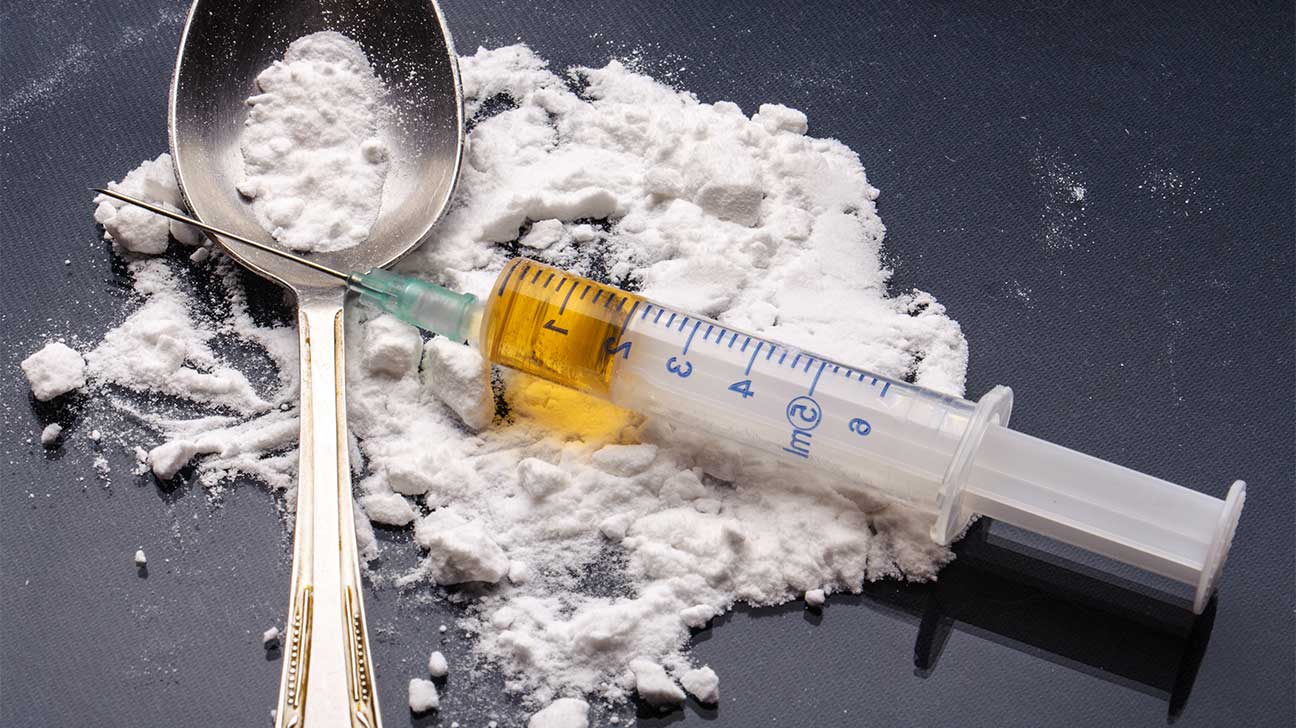
Heroin is a potent opioid derived from morphine. Once it enters the body, it acts quickly, binding to opioid receptors, dulling pain, and producing intense euphoria. Over time, repeated use changes brain chemistry—people may find they need heroin just to feel “normal,” not just to chase a high. Heroin use also carries high risk of overdose, especially when purity is unknown or it’s mixed with other substances.
Addiction vs. Abuse vs. Dependence
Using heroin once or occasionally may be considered abuse, but addiction implies a deeper pattern: craving, loss of control, and continued use despite negative consequences. Dependence adds a physical dimension—when someone’s body has adapted so that without heroin, withdrawal symptoms occur. Many individuals transition from abusing pills or prescription opioids to heroin when prescriptions run out or become too costly.
Recognizing the Warning Signs
There are both physical and behavioral clues. Physically, irregular pupils, sudden weight changes, needle marks, sleep problems, or “flu-like” symptoms after missing doses. Behaviorally, people may isolate themselves, change friend groups, lie about their usage, neglect responsibilities, or show defensiveness or secrecy.
The Physical & Emotional Toll
Short-term effects include a rush of euphoria, dry mouth, slowed breathing or heart rate, and nausea. But long-term heroin use can lead to many serious health problems: collapsed veins, infections, hepatitis or HIV (especially with needle sharing), liver or kidney disease, heart infections, and harm to mental health such as anxiety, depression, or loss of motivation. The stakes are high.
Who Is More At Risk
Risk is higher when someone has used prescription opioids, when there’s mental health issues, trauma, or when one lives in a setting where drug use is common. Genetics, environment, and easy access to opioids all contribute. People with unstable housing or low social support are also more vulnerable.
How Heroin Use Disorder Is Diagnosed
Diagnosis typically begins with a medical and psychological assessment. Health professionals ask about patterns of use, past attempts to quit, mental health history, and any co-occurring disorders. Lab tests (urine or blood) may be used, but self-reporting and clinical interviews are central to understanding severity, triggers, and health impacts.
Treatment Options: Detox, Rehab, and Aftercare
Recovery begins with detoxification under medical supervision to safely manage withdrawal symptoms. Medication-Assisted Treatment (MAT) using methadone, buprenorphine, or naltrexone is often employed to reduce cravings and help stabilize the patient. Behavior therapies—individual, group, family—are used to tackle emotional, psychological, and behavioral dimensions of addiction. Rehab programs can be inpatient (more structured, immersive) or outpatient (more flexible, but still rigorous). Aftercare and community support help maintain progress, reduce relapse risk, and rebuild life skills.
Sober Living, Support Groups & Lifestyle Changes
Post-treatment support is vital. Sober living arrangements, peer groups like Heroin Anonymous, or Narcotics Anonymous, and ongoing counseling help with emotional processing, relapse prevention, and maintaining connections. Lifestyle adjustments—nutrition, safe housing, positive relationships, stable routines—reinforce the work done in formal treatment.
Why Treatment Duration Varies
Every recovery journey is unique. How long someone used heroin, whether there was concurrent use of other substances, co -existing mental health concerns, overall physical health, and social support all influence how long treatment takes. Some complete detox and inpatient rehab in a few weeks; others engage in months or even longer of outpatient care and aftercare. Persistence, patience, and a willingness to adapt are essential.
Local Rehab Options & Substance-Specific Care
If you’re looking for treatment nearby, a Dallas Drug Rehab center that specializes in heroin addiction may offer the advanced care needed: MAT, medical detox, therapy, aftercare support, sometimes telehealth. Having a center you can reach more easily often improves continuity of care.
When alcohol misuse also plays a role—whether past or present—a Dallas alcohol rehab program that handles both alcohol and opioid dependencies (or co-occurring substance misuse) typically gives better outcomes. Treatment that ignores alcohol when it coexists with heroin addiction can leave gaps in recovery.
Taking the First Step Toward Help
Recovery from heroin addiction is possible. If you or someone you care about is struggling, reaching out to a qualified treatment resource is the first move. Asking questions like: “Do you offer MAT?” “Is there aftercare?” “How do you handle dual diagnosis?” will help you choose the best program. You don’t have to do this alone—help is out there, and healing is possible one day at a time.

Comments are closed.