
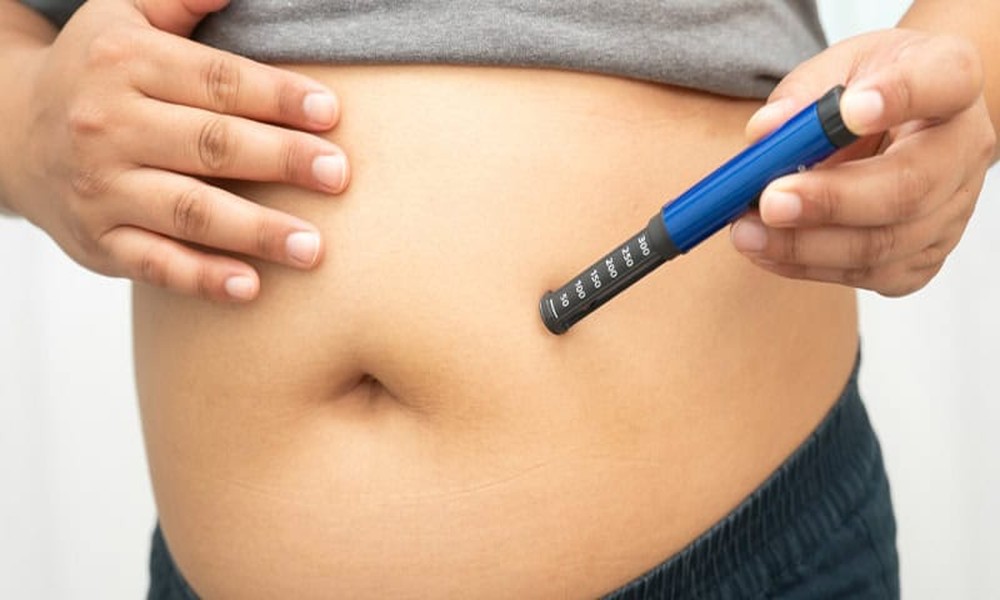
Small intestine hormones are released before digestion. GIP comes out first, heading toward the pancreas and fat cells with signals tied directly to what was just consumed. GLP-1 follows, reaching receptor sites in the liver, brain, and gut wall sections. The gut itself produces both. No external source is involved. mounjaro click chart shows how receptor engagement shifts over weeks when doses increase, showing where hormone reinforcement accumulates. Mounjaro binds to the receptors GIP and GLP-1, which are already targeted. Not similar receptor types, but the same ones. Activating those receptors triggers a system within the body that already functions. Due to simultaneous engagement of both receptor types, fat cells, pancreas, liver, and brain receive input following meals.
How does glucose respond?
Insulin does not leave the pancreas without cause. Blood glucose has to rise first. That threshold was set by the body long before treatment, and it holds throughout. Mounjaro does not replace that condition. It strengthens the response once the threshold is crossed. A meal increases insulin production by activating GIP receptors. Glucose from food enters the bloodstream gradually thanks to GLP-1, which slows gastric emptying. Post-meal rise flattens. This is accompanied by glucagon suppression, which occurs when blood sugar has already been managed. Beta cells read the actual glucose concentration before releasing insulin. That reading process is not interrupted. Insulin output stays tied to real-time blood glucose throughout rather than running independently of it.
Gut and brain coordination
After eating, the vagus nerve carries post-meal signals from the gut toward the hypothalamus. GLP-1 is part of that signal naturally. Hormone levels rise after a meal, then fall off within a limited window. The brain gets the fullness message, but briefly. Mounjaro keeps GLP-1 receptors active past the point where natural hormone levels fade. The hypothalamus receives input longer. Hunger takes more time to return as a result.
GIP takes a different path entirely. Fat cells carry GIP receptors and use post-meal hormonal input to manage energy at the cellular level. Fatty acid processing adjusts depending on what came in from the meal. This adjustment occurs inside adipose tissue, not in the nerves. Mounjaro activates those receptors with each dose, keeping cellular adjustment consistent across meals. Both processes run in the same post-meal window. One moves through nerve signalling. The other runs through fat cell receptor activity. Neither depends on the other to function.
Fat tissue and energy balance
- GIP receptor activation in adipose tissue increases fatty acid use. Fat cells already do this after meals. Mounjaro keeps it consistent regardless of how much natural GIP the gut produced from a particular meal. Receptor engagement does not fluctuate with meal composition like natural hormone output.
- The liver releases stored glucose during fasting because glucagon signals it to. When glucagon is suppressed, release drops. Fasting glucose levels come down in response. No additional mechanism is introduced to produce that outcome. Glucagon suppression alone is sufficient, and the liver adjusts based on the reduced signal it receives.
Muscle tissue retains insulin sensitivity throughout. Glucose uptake continues in peripheral tissues without disruption, regardless of what is going on in fat tissue or the liver.
Mounjaro reaches receptor sites built for post-meal hormones. Each of these processes was already functioning before treatment, including glucose handling, appetite signalling, and fat cell adjustment. The receptor targets existed. Mounjaro attaches to them and keeps their responses active longer after each meal.

Comments are closed.