
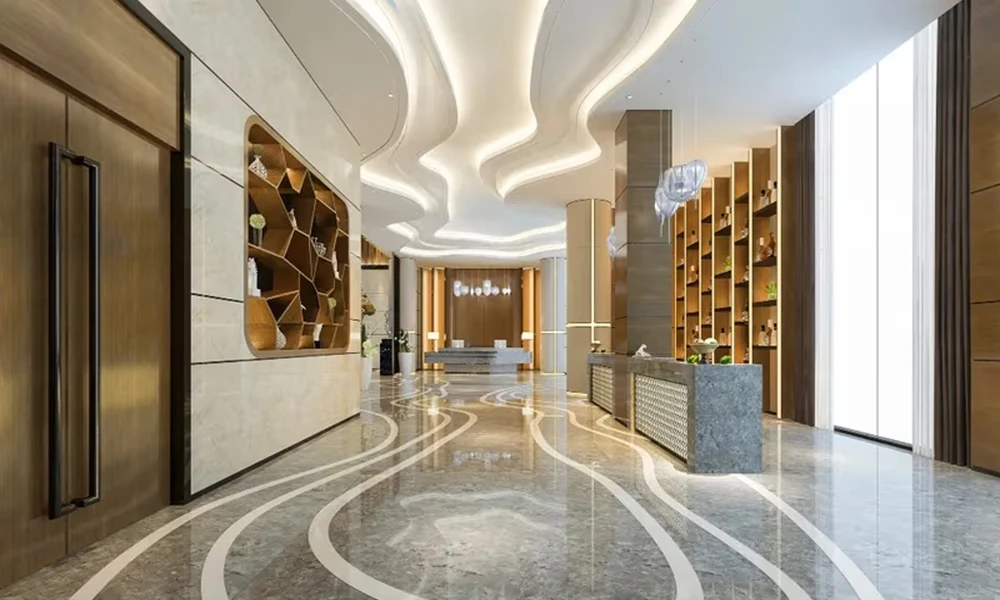
Experiential design Singapore is built on a deceptively simple premise: people remember how a place made them feel long after they forget what they saw or heard there. This is not a marketing insight but a neurological one. Emotional memory is encoded differently from factual memory – more deeply, more durably, and with greater influence over future behaviour. Brands that understand this design spaces that do something beyond displaying products or communicating messages. They create experiences that stay.
The Memory Problem in Modern Marketing
The volume of brand communication that the average Singaporean encounters each day is enormous. Digital advertising, outdoor media, social content, and push notifications compete constantly for attention. Most of it leaves no lasting impression. The economics of attention work against brands that rely solely on repeated exposure.
Experiential design takes a different approach. Instead of broadcasting a message repeatedly and hoping it sticks, it creates a single encounter that carries enough sensory and emotional weight to be remembered. One well-designed experience can do more for brand recall than months of conventional advertising, because the memory formed is qualitatively different. It is anchored to a place, a feeling, and a physical moment.
What Makes a Customer Experience Memorable
Memory research suggests that several factors determine whether an experience is retained. Novelty is one: the brain assigns more resources to encoding new experiences than to ones that fit existing patterns. Emotional arousal is another, experiences that generate a strong feeling – curiosity, wonder, delight, surprise – are encoded more deeply. Personal relevance matters too: an experience that connects to something the visitor already values creates stronger recall.
Good experiential design Singapore projects leverage all three. They present something genuinely new, in a form that generates an emotional response, and they tie that response to a brand whose values align with what the visitor already believes. The design is the delivery mechanism for this encounter.
Designing for the Full Sensory Experience
Most marketing communicates through two senses, sight and sound. Experiential design can engage all five. Touch, smell, and proprioception, the sense of one’s body moving through space are all channels through which memory can be built. A space that smells right, that has surfaces people want to touch, and that feels sized for the human body in a way that creates either intimacy or grandeur is doing more than a poster or a screen can do.
“The environment shapes the person as much as the person shapes the environment,” said Tommy Koh, Singapore’s Ambassador-at-Large. This is as true in a branded pop-up as it is in a museum. The materials, textures, and spatial proportions of a space communicate before a visitor consciously processes anything. The best themed experience designers in Singapore use this to their advantage.
Application Across Industries
Memorable customer experiences in Singapore take many forms. Retail brands use experiential design to transform product launches into events that people travel to attend. Food and beverage companies create themed spaces that generate social media content naturally, because the environment is designed to be photographed. Property developers use immersive showrooms that allow prospective buyers to feel how a space will function before the building exists.
Technology companies use brand experiences to make abstract products tangible. A data platform or a software service is not easy to demonstrate, but a well-designed interactive installation can make it feel real and relevant to someone who might otherwise scroll past a banner advertisement without registering it.
In each of these cases, the design question is the same: what does the customer need to feel in order to change how they think about this brand?
The Role of Narrative
Every memorable experience has a story. The visitor enters at a beginning, moves through a middle, and arrives somewhere changed at the end. This is not unique to museum exhibitions – it applies equally to brand activations, product launches, and retail environments. The narrative does not need to be explicit. It can be embedded in the sequence of spaces, the progression of sensory experiences, and the build-up to a key moment.
Designers who think narratively plan the emotional arc of the visit before they think about materials or layout. The architecture follows the story, not the other way around.
Measuring Lasting Impact
The return on investment from experiential design Singapore work is not always captured in immediate sales metrics. But it shows in brand tracking data, in net promoter scores, and in the social media content that visitors generate spontaneously. A customer who photographs and shares an experience is endorsing the brand to their network in a way that paid media cannot replicate.
Brands that commission well-designed customer experiences in Singapore consistently report higher levels of emotional brand affiliation than those that rely on conventional channels alone. The experience creates a relationship, and relationships drive repeat business, word-of-mouth recommendation, and the kind of loyalty that is genuinely hard to buy.

Comments are closed.