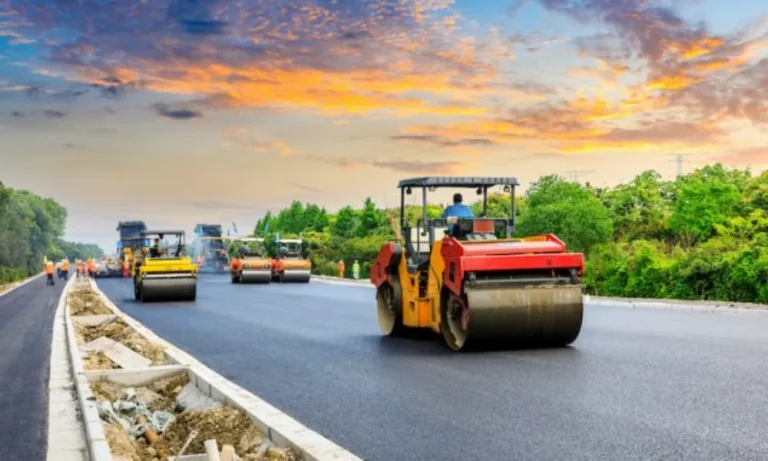
In the quiet suburbs of the Midwest, the morning sun glints off a freshly poured driveway. Its charcoal-black surface is as smooth as a polished obsidian mirror. To a casual passerby, this is merely a place to park a car. To the homeowner, however, it represents the culmination of a decade of saving, a boost to the property’s curb appeal, and a safe surface where children can learn to ride bicycles.
We often take the ground beneath our feet for granted. Yet, the infrastructure of our daily lives, including driveways, parking lots, and local roads, is a marvel of engineering and a significant financial commitment. Choosing the right asphalt and paving company is not a mere errand. It is an exercise in discerning the science of durability from the superficiality of a quick fix. In an era where “fly-by-night” contractors are only a click away, understanding the human and technical elements of paving is essential for any property owner.
The Alchemist’s Pour: Understanding the Science of Asphalt
To the uninitiated, asphalt is just “blacktop.” To those in the industry, it is a sophisticated composite material that must be tailored to its specific environment. The selection of material is the first and most vital decision in any project because the chemistry of the mix determines the longevity of the road.
There are two primary protagonists in this story: Hot Mix Asphalt (HMA) and Cold Mix Asphalt.
Hot Mix is the gold standard of the industry. It is a precise slurry of aggregate, such as stones and sand, and liquid asphalt cement. This mixture is heated to over 300 degrees Fahrenheit before application. Because it is applied at such extreme temperatures, it creates a flexible yet incredibly durable bond as it cools. For high-traffic areas like commercial parking lots or main thoroughfares, HMA is non-negotiable. It offers a level of structural integrity that can withstand the rhythmic pounding of heavy delivery trucks and the seasonal expansion of the earth.
Conversely, Cold Mix Asphalt consists of aggregate and liquid asphalt emulsified with water. This composition allows it to remain pliable at lower temperatures, meaning it can be applied in the dead of winter. While it lacks the long-term structural strength of Hot Mix, it serves as a critical bandage for patchwork and potholes. It prevents small cracks from turning into tire-popping craters during the spring thaw when traditional hot plants might be closed for the season.
Beyond these staples lies the innovation of Porous Asphalt. In an age of increasing environmental consciousness, this specialty material allows rainwater to seep through the pavement into a stone recharge bed below. It is a marriage of civil engineering and ecology that reduces the risk of flash flooding and naturally filters pollutants before they reach our groundwater. This type of paving is becoming a preferred choice for developers who must meet strict stormwater management regulations.
The Foundation of Safety and Value
Pavement is the unsung hero of property management. It serves as the primary “handshake” a visitor has with a home or business. A cracked or crumbling lot does not just look neglected. It acts as a significant liability. For commercial owners, a single trip-and-fall incident on an uneven surface can lead to legal entanglements that far exceed the cost of a repaving project.
Furthermore, the topography of a site dictates its destiny. A skilled asphalt and paving company does not just look at the surface. They look at the “bones” of the land. They assess the slope for drainage, the soil composition for stability, and the local climate for temperature extremes. In regions with harsh winters, a paving project without a property engineered drainage plan is a project destined to fail. When water gets trapped beneath the surface and freezes, it expands with enough force to shatter even the thickest asphalt.
A well-executed paving job can last between 15 and 30 years, but that longevity is earned through consistent effort. It requires a commitment to maintenance. Much like a car needs a regular oil change, asphalt needs seal coating. This thin liquid layer acts as a sunscreen that blocks harmful UV rays. These rays oxidize the binder and turn the asphalt brittle and grey. Combined with crack filling, these interventions can nearly double the lifespan of the pavement. This proactive approach saves the owner tens of thousands of dollars in premature reconstruction costs over the decades.
The Human Element: Vetting Your Paving Partner
The difference between a 30-year driveway and a 3-year disaster often comes down to the crew holding the tools. When searching for a reputable asphalt and paving company, the vetting process must be rigorous and transparent.
1. Credentials and the Shield of Insurance
A license is more than a piece of paper. It is a commitment to follow local building codes and ethical standards. However, insurance is the true safety net for the property owner. Paving involves heavy machinery, high temperatures, and proximity to existing structures. If a contractor lacks comprehensive liability and workers’ compensation insurance, the homeowner could be held financially responsible for onsite accidents. Always ask to see a current certificate of insurance before any machinery arrives on your property.
2. The Digital and Physical Portfolio
In the modern market, a company’s reputation is etched into the digital landscape. Reviews on platforms like Google Business or Yelp provide a raw look at a contractor’s reliability. Do they show up on time? Do they communicate when the weather delays the pour?
A veteran contractor once noted that a good professional should be able to take you to a job they completed five years ago, not just one they finished yesterday. Personal referrals remain the most potent currency in the trades. If a neighbor’s driveway still looks pristine after several harsh winters, that is a testimonial more powerful than any paid advertisement.
3. The Machinery of Precision
The evolution of paving technology has moved from brute force to surgical precision. Top-tier companies invest in modern pavers equipped with 3D paving control systems. These computers use GPS and laser leveling to ensure the slope is accurate to within a fraction of an inch. Older or poorly maintained equipment often leaves streaks or uneven compaction. These flaws create “birdbaths,” which are puddles of water that eventually become the birthplace of potholes.
Navigating the Economics: Price vs. Value
The initial price of a paving quote can be jarring for many. To understand the numbers, one must look at several variables. These include the fluctuating price of crude oil, the depth of the excavation, and the cost of local labor.
It is a common temptation to choose the lowest bidder. However, in the world of construction, a “deal” is often a warning sign. A low-ball quote might mean the contractor is skimping on the thickness of the asphalt. They might lay two inches when the site requires four. Or, they may be using a sub-standard aggregate base that will settle and crack within twenty-four months.
True value is calculated by the total cost of ownership. A $10,000 project that lasts 20 years is infinitely cheaper than a $7,000 project that requires a $5,000 repair in year five. Transparency is the hallmark of a professional. They should provide a line-item estimate that includes permits, site preparation, and the cleanup process.
The Power of the Partnership
A successful paving project is a collaboration. It begins with an initial consultation where the contractor should act more like a consultant than a salesman. They should be asking specific questions about your needs. How many cars park here? Do you plan on parking an RV? Where does the water flow when it rains?
The contract is the formal roadmap for this partnership. This critical document should clearly define the scope of the project. It needs to include the exact square footage, the thickness of the compacted asphalt, and the payment schedule. A professional asphalt and paving company will also include a contingency clause. Construction is inherently unpredictable. An old buried oil tank or an unmapped utility line can appear the moment the backhoe hits the dirt. Knowing how these issues will be communicated and billed upfront prevents the relationship from souring mid-project.
Communication is the “seal coat” of the project management process. A contractor who explains why a rain delay is necessary is a contractor who cares about the final product. Paving in the rain is a recipe for disaster because water prevents the asphalt binder from adhering to the aggregate. A company that prioritizes quality over a quick paycheck will always choose to wait for a dry window. This level of honesty is what builds long-term trust between a business and its community.
A Smooth Road Ahead
As our cities grow and our homes become our sanctuaries, the quality of our infrastructure becomes a reflection of our standards. The journey from a cracked and weathered lot to a smooth surface is paved with informed decisions. By understanding the science of the materials, vetting the experience of the crew, and prioritizing long-term value over short-term savings, you ensure that your investment stands the test of time.
Property owners must remember that asphalt is a living material that breathes and moves with the earth. It requires respect and regular attention. Whether you are a facility manager overseeing a massive retail complex or a homeowner looking to improve your own slice of the world, the ground you stand on is only as strong as the company you hire to build it. When the steam rises from that fresh blacktop and the rollers finish their final pass, you should see more than just a driveway. You should see peace of mind laid in stone and bitumen.
Quality paving is an art form disguised as a utility. It protects our vehicles, increases our home equity, and provides a smooth path forward for the next generation. By choosing a partner who values precision and communication, you are not just buying a surface. You are buying decades of stability.