Category

Featured

Category

After a long flight into Vietnam, the first few hours can feel like organized chaos: clearing immigration, finding your luggage, locating your driver, confirming the hotel address, maybe messaging family to say you arrived safely.

Data is essential for all of that – maps, ride-hailing, messaging apps – but there are plenty of moments when having an actual Vietnamese phone number makes the day go much smoother.

That is where a Vietnam eSIM with phone number comes in. Instead of choosing between data or voice, you get both in a single digital profile, without needing to remove your home SIM.

Data-Only eSIM vs eSIM With Local Number: What’s the Real Difference?

A data-only eSIM is usually enough if you:

• Stay mostly in big cities
• Use ride-hailing apps and online maps
• Prefer WhatsApp, iMessage, or Telegram for communication
• Book and manage everything through apps and email

But once you spend a few days on the ground, you start running into very real-world situations where a local number is simply easier:

• Your airport driver wants to call you when he cannot find you at the meeting point.
• A homestay host needs to reach you quickly to share check-in instructions or gate codes.
• A local restaurant or spa confirms a reservation via a short phone call, not chat.
• Some delivery or ride-hailing services ask for a Vietnamese mobile number during signup.

In each of these cases, being able to pick up a Vietnamese call or send a quick local SMS feels more natural than trying to negotiate everything over Wi-Fi chat.

When Does a Local Vietnamese Number Really Matter?

Not every trip requires it, but there are a few types of travelers who benefit a lot from having a local number:

1. Travelers using private drivers or transfers
Many drivers still prefer to call, especially around busy airports or train stations. If you miss each other in the crowd, a quick local call often fixes the problem in seconds.

2. Guests staying at homestays, apartments, or townhouses
Smaller properties might not have a full 24/7 reception desk. Hosts usually call or text when your room is ready, when they are waiting at the door, or if there is any change in check-in plans.

3. People booking small, local tours
Day trips, countryside experiences, food tours, or trekking with a local guide are often coordinated via personal phone numbers. Having a local mobile number makes you much easier to reach.

4. Families or small groups
It is convenient if one person in the group becomes the main point of contact. Everyone else can rely on messaging apps, while hotels, drivers, and tour operators call that one local number if anything changes.

Everyday Benefits of Using a Vietnam eSIM With Phone Number

A combined data and voice eSIM offers the same flexibility as a normal SIM card, but without the plastic and without opening your SIM tray.

1. Call and be called like a local
You can make and receive domestic calls at local rates. That is handy when your driver is trying to locate you outside the terminal, you need to confirm whether a room is ready or ask a question about parking, or a guide wants to adjust the meeting time due to weather or traffic.

2. Receive verification codes for local services
Some apps and websites in Vietnam still send confirmation codes via SMS to local mobile numbers. A local number can help with signing up for certain delivery or ride apps, confirming restaurant or tour bookings that send an SMS reminder, or receiving simple service alerts from hotels or transport providers.

For highly sensitive services such as your home bank or long-term financial accounts, it is still better to use your original number registered with those institutions. A travel eSIM is best for practical, short-term services during the trip.

3. Communicate with people who do not use chat apps
Not every driver, host, or vendor is comfortable with WhatsApp or Messenger. With a Vietnamese number you can simply call, text, or even just ring once to let someone know you have arrived, which matches how most locals communicate.

4. Keep your home number free for private matters
Your physical SIM stays in your phone. It can handle messages from your bank, security codes from email or social media, and occasional calls from family at home, while your Vietnam line takes care of all the day-to-day logistics of the trip.

Why a Digital eSIM Is More Comfortable Than a Physical SIM

Travelers have dealt with physical SIM cards for years, but eSIMs solve a few small annoyances that add up:

• No need to remove your original SIM – less risk of losing it in a hotel drawer or taxi seat.
• No paperclip or SIM tool required at the airport.
• No tiny card to store and keep track of for the return trip.
• Easier re-installation – if you change phones or reset your device, you can usually re-add the eSIM profile with a QR code or activation code.

With a Vietnam eSIM that includes a local phone number, that comfort extends to voice and SMS: you get a full-featured local line without touching the SIM tray.

How to Set Things Up Before You Land

A few minutes of preparation before your flight can save a lot of confusion later:

• Check that your phone supports eSIM. Most recent iPhones, high-end Androids, and many newer mid-range models do. You can check under “Mobile / Cellular” settings or on the manufacturer’s website.
• Install the eSIM while you are still at home or at your departure airport. Scan the QR code and add the eSIM profile while you have strong Wi-Fi. You do not need to activate it immediately; you can usually turn it on once you land.
• Set the Vietnam line as your primary for calls and data. In your phone’s SIM settings, choose the local eSIM for mobile data and domestic calls/SMS. Keep your home SIM active for international calls or codes from your bank.
• Share your local number with people who need it. Send the Vietnamese number to your hotel, driver, or tour provider before you fly so they know how to reach you if anything changes.

A Typical Day Using a Local-Number eSIM

Picture a simple first day in Ho Chi Minh City with a Vietnam eSIM line. At the airport, your driver calls your Vietnamese number once to confirm your exit gate. You pick up immediately and describe what you see around you.

On the way into town, you receive an SMS from your hotel confirming early check-in is possible, and you reply to say what time you expect to arrive. In the afternoon, you call a popular restaurant to see if they still have space for dinner, and they agree to hold a table under your name and local number. Later that night, your tour guide for the Cu Chi tunnels calls briefly to confirm the pickup time for the next morning.

All of this could be handled with a mix of apps and Wi-Fi, but for many travelers, having a simple, working Vietnamese number makes the whole day feel smoother and less stressful.

For anyone who likes the simplicity of arriving with data ready to use but also wants the practicality of being reachable on a local line, setting up a Vietnam eSIM with phone number before stepping off the plane can quietly remove a lot of friction from the trip—leaving more time and headspace for the food, the streets, and the people you actually came to experience.


Your smile immediately affects people you meet; in this meeting, if your teeth are not whiter, it can adversely affect your meeting. To improve your teeth whitening, visit an experienced dentist and adopt a few to keep your teeth clean. 

In this article, we will study some teeth-whitening facts you should know if you want clear, clean teeth in Brookline. In addition, if you want more guidance, you can get it from experienced dental care in Brookline

What are Important Teeth Whitening Facts You Should Know? 

  • How Teeth Become Discoloured: Discoloration can be due to the consumption of certain types of food and beverages. Drinking red wine, coffee, or tea will stain your teeth. It is said that these food and beverage pigments will attract to your tooth enamel. There is the presence of tar and nicotine in tobacco, which produce brown and yellow stains. Certain medications such as antibiotics, high blood pressure medications, and chemotherapy also lead to discoloration of teeth. 
  • How Teeth Whitening Works: It is a bleaching process using hydrogen peroxide and carbamide peroxide. An oxidation reaction breaks down the staining agents and leads to white teeth. 
  • Teeth Whitening Options: Professional teeth whitening options are available for people, which is the fastest and safest way to whiten the teeth. If you take this treatment with professional help, it will protect the gum from exposure and avoid damage to the gums. So, some essential whitening options are teeth whitening strips, whitening trays, teeth whitening toothpastes, and rinses. 
  • Teeth Whitening Doesn’t Work on All Teeth: Teeth whitening typically cleans the yellow teeth into white. Brown, gray, or purply teeth may not work well during this process. You should also be mindful that some discoloration will not respond if it is due to the result of medications or tooth injury. In this case, whitening techniques in the form of crowns, caps, veneers, and fillings may not work. 
  • Possible Side-Effects of Teeth Whitening: Teeth whitening may have some side effects that you must know. The whitening agents penetrate the enamel and irritate the nerves of the tooth. The impact of these whitening agents is short-term, but you cannot ignore it. 

So, these are some facts you must know about the teeth whitening agents before you proceed with it. Doctors might also recommend some at-home teeth whitening products; however, it does not seem very effective often, so you can try some professional office-based teeth whitening procedures. 

Volunteerism remains a cornerstone for cultivating stronger, more resilient communities. When individuals dedicate their time and efforts to meaningful projects, they not only foster positive change but also experience personal growth and a sense of purpose. Yet, motivating widespread volunteer engagement can present challenges. The following strategies offer practical and innovative ways to encourage greater community involvement.

Highlight the Impact of Personal Stories

Personal accounts from volunteers and those who benefit from their efforts effectively illustrate the true value of volunteerism. Stories of individuals who have gained new perspectives or skills, recipients expressing gratitude, and examples of neighborhoods transformed by collective action all serve to inspire others. By sharing these powerful narratives, organizations can create strong emotional connections that encourage broader participation, foster community spirit, and promote meaningful engagement in causes that truly make a difference.

Expand Flexible Volunteer Opportunities

Many people hesitate to volunteer because of demanding schedules and other commitments. By offering more flexible options such as remote assignments, short-term initiatives, or weekend events, organizations make it easier for individuals to contribute regardless of their availability. Flexibility increases participation and enables a wider range of community members to get involved. Zeal Exec illustrates how collaborative efforts can make a significant and lasting difference. Zeal TN reviews demonstrate the value of constructive feedback for improving community initiatives and ensuring they meet the needs of those they serve.

Establish Partnerships with Local Businesses and Schools

Collaborating with local businesses and schools amplifies volunteer impact. Businesses can offer employee volunteer days, while schools can integrate service learning into their curricula. These partnerships embed volunteerism in work and education, reaching wider audiences. A notable example is the collaborative work of LeBron James and his Family Foundation with Akron Public Schools. Their partnership, which created the I PROMISE School for at-risk students, demonstrates how local organizations can come together to provide extended learning, mentorship, and supportive resources—proving the far-reaching effects of joint community action.

Utilize Social Media and Digital Tools

Digital platforms are invaluable for promoting volunteer opportunities and attracting new participants. Organizations can increase outreach by sharing compelling stories, producing engaging videos, or streamlining the sign-up process online. These tools drastically enhance visibility and simplify participation for diverse groups. Effective use of social media and accessible online forms can make a significant difference, particularly in reaching younger audiences and removing entry barriers. This approach ultimately broadens the pool of potential volunteers, making it easier for everyone to contribute.

Celebrate and Acknowledge Volunteers

Recognition is essential to retaining and motivating those who contribute. It shows that their time and effort are truly valued, making them feel seen and appreciated. Public acknowledgment, appreciation events, certificates, or thoughtful tokens convey a sense of value and appreciation. Highlighting volunteer contributions reinforces the importance of their work, builds morale, and encourages others to get involved. Fostering an environment of gratitude strengthens communal ties, supports a culture of ongoing service, and creates a positive feedback loop where contributions are celebrated, inspiring continuous dedication and participation.

To effectively encourage volunteerism, make opportunities accessible, participation meaningful, and efforts recognized. By focusing on authentic storytelling, increased flexibility, collaboration, strategic communication, and volunteer appreciation, communities can cultivate a more engaged citizenry, building strong bonds and a connected future.

In today’s fast-paced job market, skills are currency. Whether aiming for a career switch, climbing the corporate ladder, or exploring personal interests, WSQ courses offer more than just a line on your CV. The Workforce Skills Qualifications framework in Singapore provides nationally recognised, competency-based training that caters to industries ranging from hospitality to workplace safety. Yet, there’s still a misconception that WSQ training courses are rigid or narrowly focused. The reality is that they are flexible, varied, and surprisingly practical in ways you might not expect. By learning wisely, you collect certificates, unlock new perspectives, boost employability, and gain confidence that translates into real opportunities.

How to Find the Right WSQ Course for You

With such a wide range of WSQ training courses available, the challenge isn’t whether to enrol, but which one to choose. Picking wisely means considering both immediate needs and long-term goals. For instance, if your job requires compliance with safety regulations, courses in workplace safety and health are indispensable. On the other hand, if you’re preparing for leadership roles, management, or communication-related modules may serve you better.

It’s also important to reflect on how you learn best. Some WSQ courses are designed for hands-on learning, perfect for technical fields. Others lean on discussions and case studies. Many providers now offer hybrid formats, blending classroom and online sessions, which make it easier for working adults to fit training into their schedules.

A smart approach is to think beyond your current role. Even if you’re not directly in hospitality, learning customer service skills could make you stand out in any client-facing job. By aligning your course choice with transferable skills, you’re future-proofing your career rather than limiting yourself to the demands of today.

How WSQ Training Courses Go Beyond the Workplace

It’s easy to think of WSQ courses as strictly professional, but the knowledge gained often spills over into everyday life. Take safety training as an example. A module on fire safety or first aid may seem purely work-related, but the skills are invaluable in emergencies at home or in public spaces.

Similarly, courses on communication, negotiation, or conflict resolution polish your workplace presence and can improve personal relationships and community involvement. Even technical courses, like those focusing on digital literacy, can make a difference in how you manage household finances, online security, or even hobbies like e-commerce ventures.

The unexpected beauty of WSQ training courses lies in this dual benefit. They empower you to perform better professionally while enriching your personal life. Think of them less as a professional checkbox and more as an investment in yourself that pays off in diverse and often surprising ways.

What You Gain and What to Consider

Like any form of professional training, WSQ courses come with both advantages and considerations. On the plus side, they are nationally recognised, meaning employers across industries acknowledge their value. They are also modular, making them accessible to those with tight schedules. Subsidies further ease the financial burden, making these courses affordable compared to many international alternatives.

The benefits go beyond certification. WSQ training provides hands-on, competency-based learning that translates directly to practical skills. Instead of memorising theory, you practise scenarios you’re likely to encounter in real workplaces, which boosts both confidence and competence.

That said, there are potential drawbacks. Some participants find that shorter WSQ modules may not provide the depth needed for highly specialised roles, requiring follow-up training or advanced courses. Others may feel the pressure of balancing work, study, and personal commitments, but with thoughtful planning and realistic expectations, these challenges are manageable.

The real test is in weighing these benefits against the effort required. Most learners find the long-term pay-off. Better employability, adaptability, and confidence outweigh the temporary hurdles of scheduling and effort.

Future-Proofing Your Career, One Course at a Time

Singapore’s economy thrives on adaptability, and individuals who keep learning are the ones who stay ahead. WSQ courses are about shaping a mindset that values growth. Whether leveraging WSQ training courses for a career switch, workplace safety compliance, or personal enrichment, the result is the same: you become more versatile, more confident, and better prepared for change. Every course completed is a block added to your personal and professional foundation. Think of it not as a single achievement, but as part of an ongoing journey towards being the best version of yourself.

Ready to take your skills to the next level? Explore WSQ training courses at Avanta Academy today and find the one that doesn’t just fit your career, but transforms the way you think and grow.

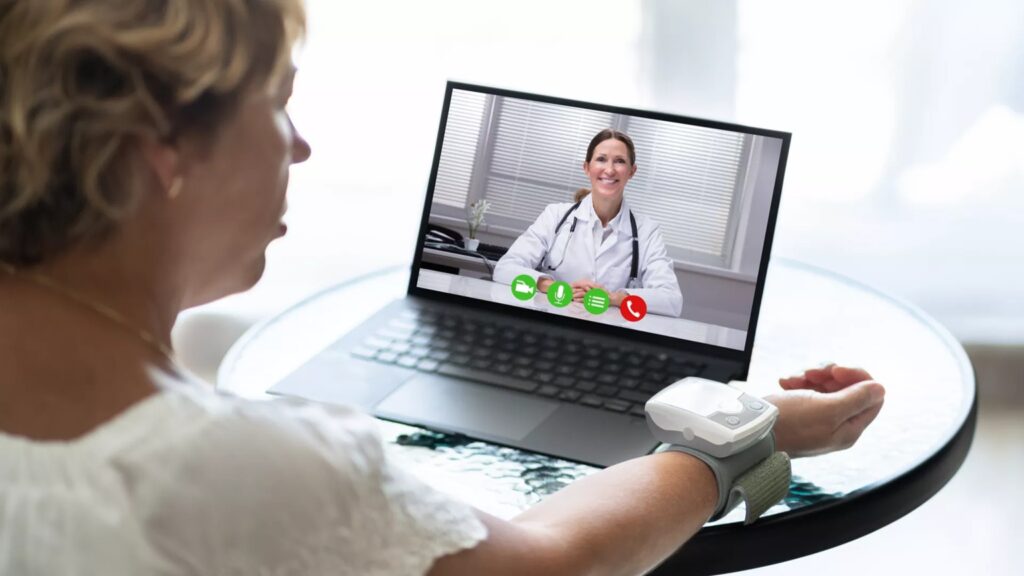
Chronic disease management requires consistent medical oversight, regular monitoring, and ongoing adjustments to treatment plans. NextClinic enhances patient autonomy by offering dependable, timely interactions with healthcare providers, fostering better understanding and involvement in health decisions. Virtual consultations enable continuous healthcare relationships between patients and medical professionals without requiring frequent physical appointments. This is for situations requiring regular check-ins, medication adjustments, and lifestyle guidance to support long-term health outcomes.

Continuous monitoring capabilities

Remote patient monitoring transforms chronic disease care by enabling real-time health data collection between appointments. telehealth consultation can integrate with various monitoring devices that track vital signs, blood glucose levels, blood pressure readings, and medication adherence patterns. This continuous data stream allows healthcare practitioners to identify concerning trends before they become serious problems requiring emergency intervention. Digital monitoring systems alert patients and healthcare providers when readings fall outside predetermined ranges, enabling immediate response to potential health crises. The proactive approach prevents hospitalizations while maintaining optimal disease control through early intervention and treatment adjustments.

Medication management support

Chronic conditions often require complex medication regimens that benefit from regular professional oversight and patient education. Virtual consultations provide platforms for discussing medication effectiveness, side effects, and adherence challenges without requiring office visits for every adjustment.

  • Real-time prescription modifications based on patient response and symptom changes
  • Digital pill reminder systems integrated with healthcare provider oversight
  • Medication interaction checking when new treatments become necessary
  • Cost-effective generic alternatives discussion during virtual appointment sessions
  • Refill coordination that prevents gaps in essential chronic disease medications
  • Side effect management guidance that prevents unnecessary treatment discontinuation

These medication support services reduce complications while improving patient compliance with prescribed treatment regimens that control chronic disease progression.

Lifestyle intervention guidance

Chronic disease management extends beyond medication to diet, exercise, stress management, and other lifestyle factors that influence disease progression. Virtual consultations enable regular coaching sessions that support sustainable behaviour changes. Healthcare providers can review patient food logs, exercise routines, and stress management practices during virtual sessions, providing personalized guidance that fits individual circumstances. This ongoing support helps patients maintain beneficial lifestyle changes that complement medical treatments for optimal disease control.

Patient accessibility improvements

Virtual consultations eliminate transportation barriers, scheduling conflicts, and mobility limitations that often prevent optimal chronic disease care. Patients with physical disabilities, limited transportation options, or demanding work schedules can maintain regular healthcare contact without logistical complications. The accessibility improvements are particularly valuable for rural patients who previously had long travel times for specialist consultations. Digital healthcare delivery ensures these patients receive equivalent care quality regardless of their geographical location or transportation limitations.

Care coordination benefits

  • Seamless communication between primary care providers and specialist teams
  • Electronic health record sharing that maintains treatment continuity across providers
  • Family caregiver inclusion in virtual consultations for comprehensive support
  • Multidisciplinary team meetings conducted virtually for complex case management
  • Insurance authorization coordination that reduces administrative delays
  • Referral processing acceleration through digital communication channels

These coordination improvements ensure that all healthcare team members remain informed about patient status and treatment changes, reducing miscommunication that could compromise the effectiveness of chronic disease management. These digital healthcare delivery methods ensure patients receive consistent, high-quality care that adapts to their needs and circumstances. The technology enables proactive disease management that prevents complications while maintaining patient autonomy and quality of life throughout their healthcare journey.

Luxury watches aren’t just elegant accessories—they’re valuable assets. Whether you’re upgrading your collection, freeing up funds, or simply ready for a change, selling a high-end timepiece can be a rewarding process—if done correctly. However, before you part with your prized possession, there are essential factors to consider to ensure you get the best value with the least hassle.

Here’s what you should know before selling your luxury watch.

1. Understand Your Watch’s Market Value

Before selling, take time to research your watch’s current market value. Brand, model, condition, rarity, age, and demand all play major roles in determining worth. Use reputable platforms to compare prices of similar models being sold or auctioned.

Professional appraisals can also give you a fair market estimate. Many jewelers and luxury watch dealers offer this service, which provides clarity when evaluating offers from buyers.

2. Gather Original Documentation

Buyers pay more for a watch that comes with its full set. This includes:

  • Original box
  • Warranty card
  • User manual
  • Certificate of authenticity
  • Service records (if available)

Having this paperwork not only increases trust but can boost your selling price by hundreds—or even thousands—of dollars.

3. Get Your Watch Professionally Cleaned or Serviced

Appearance matters when selling a luxury watch. A watch that looks well-maintained and works flawlessly naturally commands a higher value. A quick polish, strap replacement, or movement inspection by a certified watchmaker can dramatically increase your watch’s appeal to potential buyers.

Be cautious, though: over-polishing can reduce value, especially for vintage pieces.

4. Choose the Right Selling Method

You have several options when selling a luxury watch:

  • Authorized dealers: Offer immediate appraisals and fast sales, though often below market value.
  • Online marketplaces: Provide access to private buyers, but may involve scams or slow sales.
  • Auction houses: Ideal for rare or vintage models; fees can be higher.
  • Luxury watch retailers: Offer consignment or direct purchases with professional handling.

Each route has pros and cons, so choose based on your timeline, comfort level, and expectations.

5. Avoid Common Scams

Unfortunately, luxury watches attract fraudulent activity. When selling online or through unfamiliar sources, watch out for:

  • Buyers offering overpayment
  • Fake payment confirmations
  • Requests to ship before payment clears
  • Pressure to avoid verified platforms

Always meet in a secure location, verify buyer credentials, and use reputable services that offer transaction protection.

In the middle of planning where to sell, if you’re looking to sell your luxury watch in Miami, you’re in luck. The city boasts a competitive luxury watch market with plenty of reputable dealers, jewelers, and collectors. Whether you’re selling a Rolex, Patek Philippe, Audemars Piguet, or Omega, Miami offers a vibrant environment where sellers can secure top dollar through safe and established networks.

6. Be Realistic with Pricing

While emotional attachment to your watch is understandable, it’s important to be objective when setting expectations. Luxury watches depreciate—especially newer or mass-produced models. Use recent sale data, appraisals, and expert opinions to set a competitive, realistic asking price.

7. Know Your Watch’s Service History

Buyers often ask about a watch’s service history. Knowing the last time your watch was cleaned, repaired, or had parts replaced shows that you’ve taken good care of it. Having proof of service adds to your credibility and builds buyer confidence.

8. Consider Taxes and Documentation

Depending on where you live and how much you sell your watch for, the transaction might be subject to taxes. Always ask for proper sales documentation to protect yourself during audits or for legal proof of sale.

Conclusion

Selling a luxury watch can be a smooth, profitable process with the right preparation. By researching your watch’s value, gathering original documents, choosing trusted selling channels, and avoiding scams, you’ll protect your investment and walk away with a deal you’re proud of. And if you’re looking to sell your luxury watch in Miami, rest assured you’re in one of the best cities in the world to do so—offering top buyers and excellent resale opportunities.

Television consumption patterns across different continents are experiencing dramatic shifts as households abandon traditional broadcasting methods. Families now access entertainment content through internet-based delivery systems that offer greater flexibility and personalized viewing experiences. This transformation affects how people schedule their daily routines around entertainment, moving away from fixed programming schedules toward on-demand accessibility that fits individual lifestyles and preferences. The use of iptv has contributed to changes in how audiences consume content beyond their local networks. This streaming method delivers television programming through internet protocols, breaking geographical barriers and creating a more connected global entertainment landscape.

Global viewing patterns shift

International audiences are adopting new consumption habits, prioritising convenience and personalization over traditional scheduled programming. Viewers across different time zones can now access live events simultaneously, creating shared global viewing experiences that transcend geographical boundaries. This change has increased demand for multilingual content and subtitling services to accommodate diverse international audiences. The concept of prime-time television is evolving as people in various countries can watch content whenever it suits their schedules. This flexibility has resulted in extended viewing hours throughout the day rather than concentrated evening consumption patterns that characterized traditional television-watching habits.

Traditional broadcasting decline

Cable and satellite television providers worldwide are experiencing subscriber losses as consumers migrate to internet-based entertainment solutions. To remain competitive, traditional broadcasting industries must adapt their business models. Advertising revenue streams are being redirected from conventional television commercials toward targeted digital marketing strategies. This shift impacts how content creators fund their productions and influences the types of programming that receive financial backing from advertisers and sponsors.

Multi-screen entertainment rises

Simultaneous device usage has become commonplace as viewers combine television watching with smartphone and tablet interactions. This behavior creates new opportunities for content creators to develop complementary experiences that span multiple screens and enhance viewer engagement through interactive elements.

  1. Living room television remains the primary viewing screen
  2. Mobile devices provide supplementary content information
  3. Tablets offer social media integration during viewing
  4. Laptops enable content sharing and discussion
  5. Smart speakers provide voice-controlled navigation

Integrating social media platforms with streaming content allows viewers to share reactions and discuss programming in real time with global audiences. This connectivity creates virtual viewing parties that connect people across different countries and cultures through shared entertainment experiences.

Regional content expansion

Local production companies in emerging markets now directly access global audiences without relying on traditional distribution networks. This accessibility enables smaller content creators to compete with major international studios and share cultural stories with worldwide viewers who seek diverse entertainment options. Language barriers diminish as automatic translation technologies improve and multilingual content becomes more readily available. Viewers explore entertainment from different cultures and regions, leading to an increased appreciation for international storytelling styles and production techniques.

Internet-based streaming has fundamentally altered the entertainment landscape, creating a more interconnected world where content transcends borders and traditional limitations. This evolution continues to reshape industries, influence cultural exchanges, and redefine how communities worldwide experience shared entertainment. The future promises even greater integration between technology and viewing preferences, establishing new standards for how global audiences connect through digital media platforms.

In today’s fast-paced commercial environment, ensuring that products arrive safely at their destination is more important than ever. Whether you’re in e-commerce, manufacturing, retail, or logistics, having reliable packaging is crucial to protecting your goods and enhancing customer satisfaction. That’s where Corrugated boxes London come into play—providing an ideal solution for robust, cost-effective, and eco-friendly packaging.

Why Choose Corrugated Boxes?

Corrugated boxes are the industry standard for packaging due to their superior strength, versatility, and affordability. These boxes are made from multiple layers of paperboard, typically consisting of an inside liner, an outside liner, and a fluted medium sandwiched between the two. This design gives them exceptional durability and shock resistance, making them perfect for shipping delicate or heavy items.

In addition to their structural integrity, corrugated boxes are lightweight, which helps reduce shipping costs. They are also easy to fold, stack, and store, offering space-saving benefits for warehouses and retail spaces alike.

Tailored Packaging Solutions for London Businesses

Businesses in London operate across a wide variety of industries, each with unique packaging needs. A retailer may require sleek, branded boxes for display and shipping, while a manufacturer might need heavy-duty cartons for transporting industrial components. Fortunately, suppliers offering Corrugated boxes London cater to all these requirements with a broad selection of box sizes, strengths, and finishes.

From single-wall boxes for lightweight goods to double- and triple-wall boxes for bulky or fragile items, there’s a corrugated solution for every application. Custom-sized boxes can be manufactured to fit specific product dimensions, reducing the need for excess filler materials and improving packing efficiency.

A reputable packaging provider like W.E. Roberts Packaging Ltd offers not only a wide range of off-the-shelf products but also custom corrugated packaging designed to match your branding and operational needs.

Applications of Corrugated Packaging

Corrugated boxes are used in a variety of settings:

  • E-commerce & retail: Secure packaging for shipping products to consumers.
  • Food & beverage: Hygienic and lightweight boxes for transportation and storage.
  • Electronics: Anti-static or cushioned boxes for delicate gadgets and components.
  • Pharmaceuticals: Tamper-evident packaging that ensures product integrity.
  • Industrial sectors: Heavy-duty cartons for parts, machinery, and tools.

Whatever the application, corrugated packaging ensures that products remain protected, intact, and presentable upon arrival.

Environmentally Responsible Choice

With growing emphasis on sustainability, more companies are turning to corrugated boxes as a green packaging solution. These boxes are 100% recyclable and often made from recycled materials. They are also biodegradable, reducing their impact on the environment compared to plastic or non-recyclable alternatives.

By choosing Corrugated boxes London from responsible manufacturers like W.E. Roberts Packaging Ltd, businesses can demonstrate their commitment to eco-conscious practices without compromising on quality or performance.

Benefits of Local Sourcing in London

Working with a local supplier offers several key advantages. Firstly, it shortens lead times and reduces shipping costs. Local providers can also offer quicker response times, personalized service, and the ability to collaborate closely on design and logistics.

W.E. Roberts Packaging Ltd, a trusted name in the packaging industry, has built a reputation for reliability, high-quality products, and exceptional customer service. Businesses in London can benefit from their flexible manufacturing, custom options, and dedicated support.

In one of the most dynamic business environments in the UK, being able to rely on a packaging partner who understands your needs and can deliver promptly is invaluable.

Custom Branding and Printing Options

Packaging is more than just a container—it’s a brand statement. Corrugated boxes can be printed with logos, instructions, handling information, or full-colour designs. This transforms ordinary boxes into powerful marketing tools that create a memorable unboxing experience for the customer.

Whether you need plain kraft boxes for bulk shipping or fully branded boxes for retail display, your packaging partner can provide tailored printing options to elevate your brand presence.

Conclusion

For businesses across the capital, finding the right packaging is crucial to operational efficiency, customer satisfaction, and sustainability. Corrugated boxes London provide a reliable, versatile, and cost-effective solution for protecting goods across a wide range of industries.

With their extensive experience and commitment to quality, W.E. Roberts Packaging Ltd is a leading supplier of corrugated packaging solutions in London. Their comprehensive range, custom manufacturing capabilities, and focus on sustainability make them the ideal partner for your packaging needs—now and in the future.

A Dicey Introduction

They say curiosity killed the cat… but in my case, curiosity once almost killed my wallet. The first time I peeked into the glittering world of online sports betting reviews, I felt like a kid staring into a candy store window — dazzled, wide-eyed, and dangerously unaware of the hidden traps inside.

Is betting on sports even legal? Or was I about to step into a legal minefield wearing clown shoes? Well, buddy, buckle your seatbelt — we’re about to journey through the smoky, neon-lit back alleys and grand boulevards of sports betting legality.

The Law’s a Tricky Beast

Imagine trying to nail Jell-O to the wall — that’s about how easy it is to get a straight answer about sports betting laws. It’s a jungle out there: in one state (or country) it’s high-fives and champagne, in another, it’s handcuffs and court dates.

In the good ol’ U.S. of A., the Supreme Court kicked open the doors with the 2018 PASPA decision, letting each state call its own shots. Some states embraced betting like a long-lost lover; others slammed the door so hard the walls shook.

Across the pond? The UK practically throws parades for licensed sportsbooks, while parts of Asia still treat online gambling like a ghost—whisper about it, but don’t you dare get caught.

License to Thrill (or to Chill)

Legal sports betting isn’t about tossing a coin and shouting, “Heads, it’s legal!” It’s all about licenses, baby. Licensed sportsbooks are like good restaurants — they show their permits proudly on the wall. No license? That’s like eating oysters from the trunk of a used car salesman’s Toyota — a straight ticket to disaster.

The Betting Hood hammered this home: if it’s not licensed and regulated, walk away faster than a cat from a bathtub.

Smoke, Mirrors, and Shady Deals

Ever walk into a carnival and feel the games are rigged? Some sportsbooks pull similar tricks. The worst of the worst might dangle golden promises — huge bonuses, massive payouts — but when it’s time to cash out, suddenly they’re “reviewing your account” or “resolving a technical error” that somehow always favors… them.

That’s why The Betting Hood drills into our thick skulls: stick to sites that wear their integrity on their sleeve. Fast payouts, fair treatment, and no monkey business — or hit the road, Jack.

Why the Right Reviews Matter

Not all reviews are created equal. Some are written by slick-tongued marketers who wouldn’t know a bet slip from a grocery list. Real-deal reviews, like the ones from The Betting Hood, rip back the curtain and show the guts and gears — bonus traps, software hiccups, payment speed — all the dirty laundry.

If a review sounds like a love letter with no downsides, you’d better run faster than a cheetah on Red Bull.

The Bonus Mirage

Ah, bonuses. Sweet, glittering, trap-laden bonuses. A welcome bonus waving at you like an old friend might just be a mirage on the betting desert. Wagering requirements? Rollover conditions? Hidden clauses bigger than an iceberg under a tiny tip? They’re the goblins in the closet.

According to The Betting Hood, you should read bonus terms the way a raccoon digs through trash: carefully, suspiciously, and preferably with gloves.

Money Talks… And Sometimes It Walks

Deposits and withdrawals — they sound boring, right? Until your money disappears faster than a magician’s rabbit. Credit cards are getting trickier. Many bettors are jumping ship to PayPal, Skrill, and even the wild west of cryptocurrencies.

The rule of thumb? If the withdrawal process looks like it requires a Ouija board to figure out, pick another bookie. Good sites make it easy. Bad sites make it a Greek tragedy.

Mobile Madness

Once upon a time, placing a bet meant driving to a smoky betting shop next to a kebab place. Now? You can bet while waiting in line for coffee, while stuck in traffic, or while pretending to listen during Zoom calls.

Mobile sportsbooks are booming. But again — not all apps are made equal. Some run smoother than butter on a hot skillet. Others crash more often than a Windows 98 PC.

Guess who shows you which is which? Yup, our good pals at The Betting Hood.

The Dark Side: Rogue Operators

If fairness had a Most Wanted list, some betting sites would be right at the top. Shady operators limit winners, cancel bets they don’t like, and slap you with withdrawal limits so high you’d think you’re trying to cash out Fort Knox.

The Betting Hood tosses these bad apples straight into the compost pile. Only the real McCoys — the fair, honest sites — get a thumbs-up.

Final Thoughts: The Straight Shooter’s Guide

Is it legal to bet on sports? The answer’s like a plate of spaghetti — tangled, messy, but navigable if you know which fork to use. Stick to licensed operators. Read reviews written by grizzled, battle-worn betting veterans, not marketing interns on their third Red Bull. Understand bonuses before you jump. Protect your money like it’s the last slice of pizza at a party.

Betting should be a rollercoaster — thrilling, maybe a little scary, but above all… fun. Not a courtroom drama.

If you, like me, wandered into the land of https://thebettinghood.com/ online sports betting reviews wondering if the whole thing’s legal, remember this: Bet smart. Bet legal. And if something smells fishy? It’s probably not the oysters — it’s the operator.

Internet Protocol Television (IPTV) offers a modern solution for accessing television content through internet connections rather than traditional satellite or cable. For newcomers, selecting and configuring an IPTV subscription is daunting. This guide will walk you through the steps you need to take to start your first IPTV setup. When exploring IPTV options, many UK residents discover lynx4k iptv uk as they research available services. Having reliable information helps when navigating this digital landscape for the first time.

What you need to start

Before diving into IPTV, ensure you have:

  1. A stable internet connection (minimum 10 Mbps recommended)
  2. A compatible device (Smart TV, Amazon Firestick, Android Box, or computer)
  3. An IPTV subscription from a reputable provider
  4. A media player application (like VLC Media Player, Perfect Player, or IPTV Smarters)

Your internet speed directly impacts streaming quality, so faster connections provide better results for high-definition content.

Device compatibility matters

Choosing the correct device forms a crucial part of your IPTV journey. Each option comes with distinct advantages:

  1. Smart TVs offer built-in capabilities with minimal additional hardware needed. Many newer models include pre-installed apps that work with IPTV services.
  2. Amazon Firestick and Android TV Boxes provide affordable solutions with powerful processing capabilities. Their portable nature allows easy movement between different televisions.
  3. For computer users, both Windows and Mac systems support various IPTV applications. This option works well for those who prefer larger screens or need flexibility.

Setting up your connection

The connection process involves several straightforward steps that even complete beginners can follow:

  1. Purchase a subscription from your chosen provider
  2. Receive your access credentials via email
  3. Download the recommended media player application
  4. Input your login details and server information
  5. Configure your preferences for categories and favourites

Most providers offer detailed setup guides specific to different devices. Following these instructions ensures proper configuration.

Troubleshooting common issues

When starting with IPTV, you might encounter these typical challenges:

  • Buffering problems
  • Channel loading failures
  • Authentication errors
  • Picture quality concerns

Buffering typically results from internet speed limitations. Try closing other applications using bandwidth or connecting via ethernet rather than WiFi. For authentication issues, double-check your username and password entries. Even minor typos prevent successful connections.

Making the most of features

IPTV services typically include numerous features beyond basic channel viewing:

  1. Electronic Program Guide (EPG) showing upcoming broadcasts
  2. Recording capabilities for saving content
  3. Time-shifting functions to pause and rewind live TV
  4. Video-on-demand libraries
  5. Multi-device support for household viewing

Take time to explore these options after completing your initial setup. Most interfaces allow customisation to display favourite channels first or organise content by genre. The transition to IPTV represents a shift in how we consume television content. With proper setup and configuration, even beginners can navigate this technology successfully.

 The digital delivery method provides flexibility that traditional systems cannot match, allowing viewers to access content across multiple devices and locations. As you become more comfortable with your IPTV system, you’ll discover additional ways to customise your viewing habits. The learning curve remains gentle, making it accessible for users of all technical skill levels.