
Category

Marketing

Category

Two businesses. Similar briefs. Completely different experiences. Size is usually why. Not budget, not location, not the sector either company operates in. Who staffs the project, how fast it moves, and who is actually sitting with the work three weeks after signing all of it shifts depending on the model chosen. Senior involvement changes. Timelines change. The TopBrandingAgenciesHub platform helps businesses compare both models directly before any commitment is made. That step is worth taking seriously.

Boutique studio strengths

Most boutique engagements run the same way. The strategist who shaped the positioning brief is still in the room when the visual direction gets refined. No handoff happens after the pitch. Feedback from the client reaches the person acting on it without passing through an account layer first. Founders with real timeline pressure find this genuinely useful. Decisions move in days rather than weeks. When something shifts mid-project, the response is immediate rather than scheduled. Clients who have worked inside both models consistently describe boutique engagements as faster to navigate and easier to redirect when the brief evolves in ways nobody anticipated at the start.

Large consultancy strengths

Some briefs need things a ten-person studio cannot provide. Global consumer data has been built over decades. Multi-language adaptation teams. Simultaneous rollout coordination across several markets running in parallel. These capabilities exist inside large consultancies because enterprise clients at a genuine scale demanded them consistently over many years.

Managing identity across thirty countries with different regulatory environments and consumer behaviours requires coordination depth that talent alone cannot solve. Regional specialists, dedicated researchers, and senior strategists working across time zones simultaneously, that combination handles complexity at a level smaller studios are not operationally structured to match. When the brief genuinely requires that depth, working with a firm that carries it produces measurably different results.

What suits each best

Fit determines the right choice far more reliably than a general quality comparison between the two models. A few distinctions worth considering ahead of any shortlist decision:

  • Focused early-stage briefs with small decision-making teams move faster and get more senior attention at boutique studios.
  • Multi-market brand programs with complex architecture need the research infrastructure that larger consultancies have built from sustained enterprise work.
  • Founders who want direct creative access at every project stage find that access is built into the structure at smaller studios.
  • Businesses entering several new geographic markets simultaneously need cultural fluency and deployment capacity that comes from actual global experience.

Making the right call

Portfolios show finished work. References show what the engagement was actually like to be inside. Speaking with clients at comparable stages and asking specifically who did the work not who presented it, produces more useful information than any credentials review.

One honest question tends to cut through the decision faster than extensive research does. Does the brief need senior proximity and fast creative movement throughout? Or does it genuinely need research depth, infrastructure, and coordination across multiple markets? Each answer points toward a different type of partner. Identifying which one matches the actual brief rather than the aspirational version of it is what makes the selection decision straightforward before the first conversation even takes place.
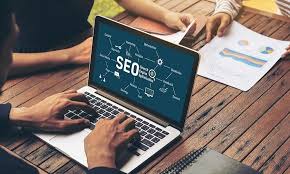
Digital marketing has evolved far beyond simple keyword placement and website updates. Modern marketing relies on measurable insights, real time analytics, and strategic optimization to ensure that businesses reach the right audiences online. In competitive markets, companies increasingly depend on professional support to analyze data, interpret search trends, and transform insights into effective marketing strategies. An SEO agency in Denver plays a critical role in providing data driven digital marketing services that help businesses improve visibility, attract qualified traffic, and build sustainable online growth.

The Importance Of Data In Modern Digital Marketing

Data has become the backbone of modern digital marketing strategies. Every search query, website visit, and online interaction provides valuable information about customer behavior. Businesses that collect and analyze this information can make smarter decisions about their marketing campaigns.

Professional marketing teams use analytics platforms, search data, and user behavior insights to understand what audiences are searching for, which pages generate engagement, and which strategies deliver measurable results. By studying these patterns, digital marketers can refine campaigns and ensure that marketing efforts align with real customer interests rather than assumptions.

An experienced SEO agency in Denver uses these insights to design strategies that maximize visibility in search engines while also improving the overall performance of websites.

Keyword Intelligence And Search Trend Analysis

Keyword research has always been a fundamental component of search engine optimization, but modern SEO relies on deeper analytical insights. Data-driven marketing involves examining search trends, analyzing user intent, and identifying opportunities that competitors may overlook.

SEO professionals evaluate search volume, competition levels, seasonal trends, and long-term keyword performance. These insights allow marketers to develop content strategies that align with what people are actively searching for online.

Rather than relying on generic keywords, data driven campaigns focus on targeted phrases that bring relevant traffic to business websites. This approach ensures that search optimization efforts attract visitors who are genuinely interested in a company’s products or services.

Website Performance And User Behavior Analytics

To get better results from digital marketing, you need to know how people use your website. Analytics tools provide detailed insights into user behavior, including page visits, session duration, navigation patterns, and conversion activity.

Digital marketing specialists study these metrics to determine which pages perform well and which areas of a website require improvement. Pages with high engagement may signal strong content relevance, while pages with high exit rates may indicate design or usability challenges.

An SEO agency in Denver evaluates these metrics to improve website structure, enhance user experience, and guide visitors toward meaningful actions such as inquiries, purchases, or sign-ups.

Content Strategy Guided By Data

Content remains a powerful driver of search visibility and audience engagement. However, successful content marketing requires careful planning based on reliable data.

Search performance reports reveal which topics generate traffic, which content formats attract readers, and which keywords deliver strong search rankings. These insights allow marketing teams to develop content strategies that align with audience interests and search demand.

Data guided content creation ensures that blog articles, service pages, and informational resources provide value while also supporting broader search optimization goals. Over time, this approach strengthens a website’s authority and credibility in search engine results.

Technical Optimization Supported By Analytics

Technical SEO plays a major role in determining how effectively search engines can understand and rank a website. Data analysis is a way to find technical problems with a website that might be stopping it from doing its best.

Performance reports can highlight slow-loading pages, indexing problems, broken links, or structural errors that affect search visibility. SEO specialists address these issues to ensure that websites remain accessible, efficient, and easy for search engines to crawl.

Through continuous monitoring and optimization, an SEO agency in Denver ensures that technical improvements support long term growth in organic search performance.

Performance Monitoring And Strategic Adjustments

One of the best things about marketing that is based on data is that it lets you track success and make changes to your strategies over time. SEO campaigns are not static efforts. They evolve as search trends, user behavior, and competitive landscapes change.

Regular reporting allows businesses to see measurable improvements in rankings, website traffic, and audience engagement. These reports provide valuable insights that guide future marketing decisions and help maintain strong digital performance.

By continuously analyzing data and adjusting strategies, digital marketing professionals ensure that campaigns remain effective in an ever changing online environment.

The Value Of Data-Driven Marketing Expertise

Digital marketing success requires more than creativity or promotional messaging. It takes being able to understand complicated data and turn insights into marketing actions that make sense. Businesses that invest in professional support gain access to specialized tools, analytical expertise, and strategic guidance that can significantly improve online performance. Through advanced analytics, strategic planning, and continuous optimization, an SEO agency in Denver delivers data-driven marketing services that help companies build stronger online visibility and long-term digital success.

Geofencing is a powerful advertising tool for healthcare providers that helps them gain a deeper understanding of consumer behavior and target potential customers more effectively. It not only allows providers to target consumers at a very granular level but also provides insights into the patterns of referral physician behavior. So, without further ado, let’s take a closer look at geofencing, its benefits for healthcare providers, and how it can be used to drive healthcare engagements.

What is Geofencing?

Geofencing is a form of programmatic advertising that uses GPS coordinates and geospatial technology to create virtual perimeters or “fences” around a physical location. This technology is used to target consumer or provider devices anytime they cross into, out of, or through a specific boundary. In healthcare, it is most often used to precisely target either healthcare consumers or referring physicians.

The location-based targeting capabilities of geofencing offer a degree of precision and accuracy that other forms of digital marketing can’t provide. So if you are looking for healthcare digital marketing solutions that will help you reach the right customer at the right place and time, geofencing is definitely worth considering.

The Benefits of Geofencing for Healthcare Providers

Geofencing offers a variety of benefits for healthcare providers, including:

  1. Increased Customer Engagement: By targeting potential customers in a specific geographic area, geofencing helps healthcare providers increase customer engagement and drive conversions.
  1. Improved Understanding of Referral Physician Behavior: Geofencing can provide valuable insights into the patterns of referral physician behavior, which helps providers better understand their target audience and optimize marketing efforts accordingly.
  1. More Efficient Campaigns: By filtering out irrelevant audiences and only targeting relevant ones, geofencing helps healthcare providers create more efficient campaigns that yield better results.

How to Use Geofencing for Healthcare Engagements?

When using geofencing for healthcare engagements, it’s important to remember that targeting is key. You want to target the right people at the right place and time, so make sure your geofencing campaign is carefully planned and tailored to your specific needs. It is also important to understand the difference between medical marketing and medical advertising so you can create campaigns that are both compliant and effective. Meanwhile, here are some tips to help you get started:

  1. Create Relevant Messages: Craft personalized and targeted messages that resonate with your target audience.
  1. Measure Results: Track the performance of your campaigns to optimize them on the go.
  1. Analyze Data: Use data analytics tools to gain an in-depth understanding of consumer behavior and refine your targeting strategies accordingly.
  1. Keep Up with Trends: Monitor the latest healthcare marketing trends to stay ahead of the competition.
  1. Leverage Advanced Tools: Utilize the latest geofencing and location-based marketing technologies to improve targeting accuracy.

Wrapping Up

Geofencing is an effective advertising tool for healthcare providers that can help them understand their target customers better and deliver more relevant messages. By following the tips outlined above, you can use geofencing to improve customer engagement, drive conversions, and gain a competitive edge in the healthcare industry. So, if you are looking for ways to maximize the impact of your healthcare marketing campaigns, geofencing is definitely worth exploring. Good luck!

To buy quality backlinks is the procedure of paying for a link back to your website from another website.

Generally, the goal of a web link purchaser when going to buy high quality backlinks is to increase the ranking of their own internet site within search engines. Other purposes “can” be to create conversions or boost reference traffic; however, it’s less common.

Do people buy HQ backlinks? Absolutely! Backlinks are a valuable product since the weight of backlinks indicating a website is a main online search engine ranking variable, particularly for Google. In easy terms, the more pertinent, as well as top quality, web links you need to point to your website, the higher you can place in search engine results on web pages.

Greater positions in search engines signify more site visitors, as well as inevitably extra earnings and sales. All of this makes the procurement to buy quality backlinks exceptionally beneficial, specifically for industrial entities.

Purchasing links can be found in different forms:

  • Paid visitor posts
  • Private Blog Site Networks
  • Paid link insertions
  • Press release distribution solutions
  • Paid directory site listings.

Normally, paid web links are acquired for money.

Nevertheless, an exchange of goods, cash, or solutions with the intent of buying high-quality backlinks is considered by Google a “paid link.”

Buying Backlinks: Stance of Google on Link Acquiring

Most Search engine optimizations will say you that Google explicitly is against paid backlinks. But, the truth is, they’re not! In fact, Google shows that paid web links are a “typical part of the economic situation of the internet.”

What Google is resistant to is purchasing links for the particular objective of passing PageRank.

To put it simply, buying, or marketing, links to control search engine rankings. Here are the major ones:

  • Excessive link exchanges. To put it simply; “I’ll connect to you if you connect to me.”
  • Using automated programs to create links that point to your website.
  • Large post advertising and marketing or guest uploading projects with keyword-rich anchor text links.
  • Trading products, cash, or solutions for a web link that passes PageRank.
  • Requiring a web link as part of a legal setup or Terms of Service.