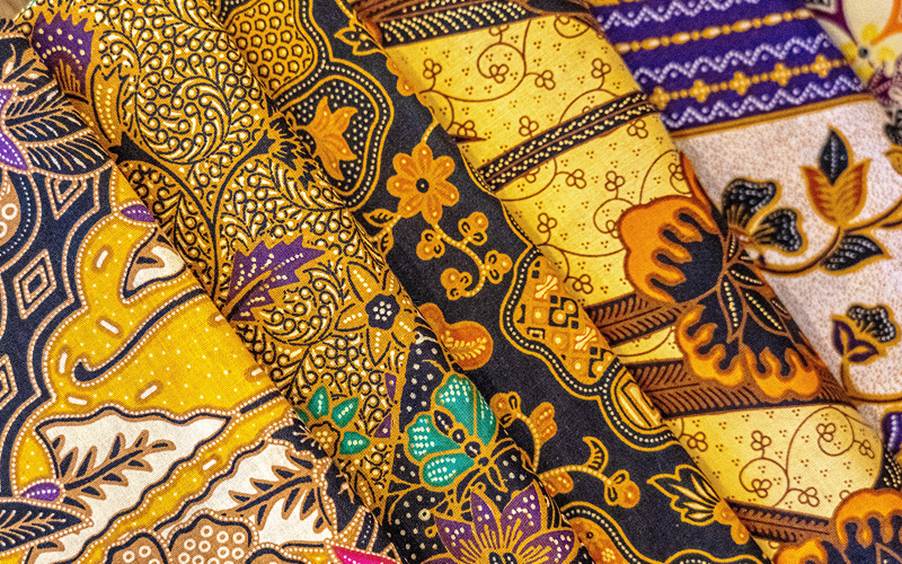
Batik has long been celebrated across Southeast Asia as a textile tradition rich with artistry and cultural symbolism. In Singapore, batik print continues to hold a special place in wardrobes and interiors alike, adapting heritage motifs for modern expression. From fashion runways to tailored home accents, batik fabric reflects both continuity and reinvention. The growing appreciation for authenticity and craftsmanship has encouraged designers and buyers to look closely at what makes these textiles unique.
The Heritage of Batik in the Region
Batik’s origins trace back centuries, with artisans using wax-resist techniques to create intricate patterns on cloth. Each motif tells a story, often tied to nature, spirituality, or local identity. In Singapore, batik became popular through trade and migration, gradually integrating into both everyday wear and ceremonial attire. Today, interest in batik print extends beyond tradition, as consumers view it as a way to celebrate cultural roots while embracing design versatility.
Batik Print as Everyday Fashion
Contemporary designers have found creative ways to reinterpret batik print for daily wear. Shirts, dresses, and accessories carry motifs once reserved for formal occasions into everyday life. A carefully chosen batik fabric adds individuality to modern wardrobes, distinguishing outfits from mass-produced patterns. Singaporean fashion highlights how batik print adapts effortlessly to different styles, from minimalist tailoring to bold statement pieces.
Expanding into Interiors
Batik is no longer confined to clothing. Many homeowners now seek batik fabric to decorate living spaces. Cushion covers, wall panels, and table linens provide bursts of colour and texture, bringing cultural depth into interiors. The fabric’s versatility allows it to be styled subtly in contemporary apartments or celebrated more prominently in traditional-inspired homes. This expansion reflects a broader lifestyle trend that values artistry as part of daily surroundings.
Craftsmanship and Material Quality
While mass-printed versions exist, handmade batik retains a special allure. Artisans dedicate hours to applying wax and dyeing fabrics, ensuring that each piece is unique. The tactile feel of authentic batik fabric sets it apart from generic textiles. When buyers choose handcrafted pieces, they support skilled makers and preserve techniques that are at risk of fading in a fast-fashion era. For discerning customers in Singapore, this emphasis on quality turns batik into a treasured purchase.
Sustainability and Slow Fashion
The resurgence of batik print also aligns with global interest in sustainability. Unlike disposable clothing, a well-made batik garment can last for years, both in fabric durability and timeless appeal. Choosing batik fabric supports slow fashion values, where fewer, better-quality items reduce waste. Local designers increasingly showcase batik as part of ethical collections, giving it relevance for today’s environmentally conscious market.
Blending Tradition with Innovation
Modern batik makers are experimenting with new motifs, colours, and applications. Digital tools allow artists to adapt age-old designs while maintaining the essence of wax-resist artistry. Some use batik print on unconventional canvases such as sneakers, bags, or even corporate uniforms. In Singapore, where heritage and cosmopolitan influences constantly interact, this innovation ensures batik fabric remains dynamic rather than static.
Choosing the Right Batik for You
For individuals exploring batik for the first time, selecting the right fabric involves understanding both pattern and purpose. Classic motifs may appeal to those who value tradition, while contemporary designs suit modern tastes. The weight, weave, and dye of batik fabric also determine its best use, whether for tailored garments or decorative accents. Informed choices help buyers connect with the textile’s story while ensuring it serves practical needs.
Conclusion
Batik’s enduring presence in Singapore highlights its ability to evolve while retaining cultural significance. From clothing to interiors, batik print bridges heritage and modern living, showing that textiles can be both meaningful and stylish. Batik fabric is still more than just a material; it is a historical, artistic, and individualised form of expression that inspires future generations. As appreciation for craftsmanship grows, batik is set to play an even greater role in shaping how people express identity and design their spaces.
For distinctive pieces that celebrate artistry and tradition, contact Anmako Singapore to discover batik print and batik fabric crafted for today’s lifestyle.