
Key Takeaways
- High-friction zones in men’s golf apparel and women’s golf clothes wear out faster due to repeated movement.
- Sweat, heat, and humidity accelerate fabric breakdown.
- Stitching and seams are often the first structural points to fail.
- Frequent washing and improper care shorten the lifespan of performance fabrics.
- Identifying early signs of wear helps reduce replacement costs and maintain performance.
Introduction
Golf clothing is designed for repeated motion, exposure to weather, and long hours of wear. Despite this, not all parts of a garment age at the same rate. Certain areas consistently break down faster due to friction, sweat, and structural stress. Knowing which components of men’s and women’s golf clothes wear out first helps buyers make better purchasing decisions and maintain their gear more effectively. This approach is particularly relevant when dealing with golf wear in Singapore, where heat and humidity amplify wear patterns.
Collar and Neckline Degradation
The collar is one of the first areas to show visible wear in golf shirts. Constant contact with sweat, sunscreen, and skin oils leads to discolouration and fabric weakening. Collars also experience repeated folding and pressure, especially during washing and storage. Over time, this results in loss of structure, curling edges, and reduced overall appearance. That said, in climates where golf wear is exposed to frequent perspiration, collars deteriorate faster unless properly maintained.
Underarm and Side Panel Stress
Underarm sections are subjected to continuous friction and moisture accumulation. Every swing, walk, and stretch increases stress on these areas, making them highly prone to thinning and odour retention. Many designs in men’s golf apparel include ventilation panels, but these can wear out quickly if the fabric is lightweight. Similarly, women’s golf clothes often use stretch materials in side panels, which may lose elasticity over time. Additionally, the combination of sweat and humidity accelerates fibre breakdown in these zones.
Seams and Stitching Failure
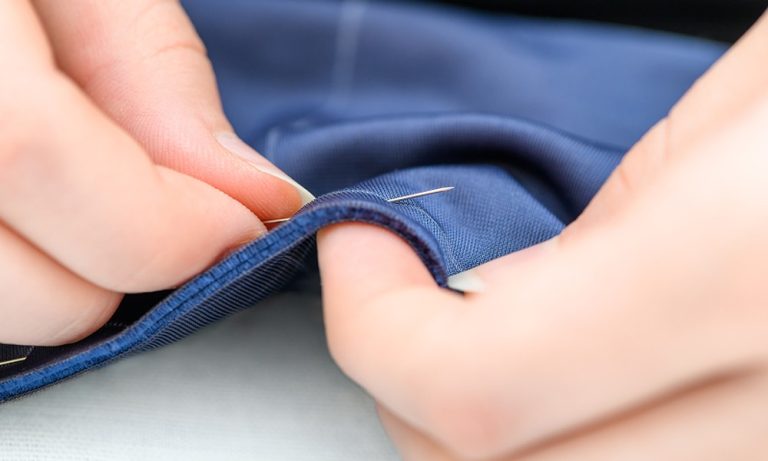
Seams are structural points that hold garments together, but they are also common failure areas. Repeated tension from movement, especially during rotational swings, places stress on stitching. Lower-quality construction in men’s golf apparel can result in loose threads or seam splitting. Meanwhile, in women’s golf clothes, fitted designs can further increase tension along seams, particularly around the waist and shoulders. Additionally, frequent washing due to sweat exposure weakens thread integrity, increasing the likelihood of seam failure over time.
Waistbands and Fastening Points
Waistbands in golf trousers and skirts are exposed to constant movement and pressure. Belt loops, buttons, and zippers are particularly vulnerable because they bear repeated strain during wear. For instance, in men’s golf apparel, belt loops often fray or detach due to pulling forces. Meanwhile, in women’s golf clothes, elastic waistbands may lose their stretch, affecting fit and comfort. Additionally, heat and moisture can weaken elastic fibres faster, reducing the garment’s ability to maintain its original shape.
Fabric Surface and Colour Fading
Surface wear is another common issue, especially in areas exposed to direct sunlight and repeated washing. Fabrics in men’s golf apparel may develop pilling or lose their smooth finish, while women’s golf clothes can show fading or uneven colour patches. UV exposure is a major factor, and in regions where golf wear is used frequently outdoors, colour degradation occurs more quickly. Detergents and improper washing methods further accelerate this process, reducing both aesthetic and functional quality.
Conclusion
Golf clothing does not fail uniformly; it deteriorates in predictable areas driven by movement, moisture, and environmental exposure. Collars, underarms, seams, waistbands, and fabric surfaces are the most vulnerable components in both men’s and women’s golf clothes. These issues become more pronounced in golf wear in the city-state, where climate conditions intensify wear patterns. Recognising these weak points allows users to choose better-quality garments, apply proper care methods, and extend the lifespan of their clothing without compromising performance.
Visit Leonian and find golf wear that holds its shape, performance, and comfort round after round.