
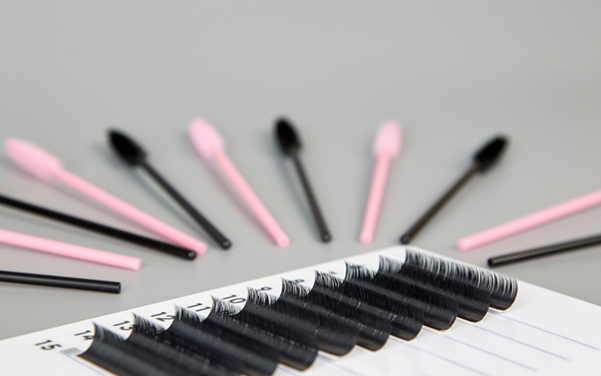
Allergic reactions linked to lash extensions are uncommon but can occur when clients are exposed to adhesives, materials, or improper application techniques. Amidst the city-state, where lash services are widely accessible and vary across different providers, knowing potential triggers helps reduce risks.
Discover practical steps clients can take before, during, and after the procedure to maintain eye safety while achieving their preferred lash look.
Identify Common Allergens in Lash Extension Products
Most allergic reactions stem from the adhesive used in lash applications. Many adhesives contain cyanoacrylate, a fast-curing ingredient that can irritate sensitive individuals. Some lash studios offer low-fume or sensitive adhesives, but these may still trigger reactions depending on individual tolerance. Clients should request information about adhesive ingredients before the appointment, especially if they have a history of skin or eye sensitivity.
Another possible trigger is the lash material itself. While synthetic fibres are standard for lash extensions, some studios use materials that may not be suitable for individuals with allergies or sensitive skin. Asking for hypoallergenic options or testing a few strands first helps determine compatibility.
Choose a Lash Studio That Prioritises Safety Practices
Selecting a lash studio with clear hygiene processes reduces the risk of cross-contamination. Reactions may occur when tools are not sanitised properly or when expired adhesives are used. A professional studio should provide information on its sanitation routine, including cleaning protocols for tweezers, work surfaces, and reusable tools. Disposable applicators, lint-free pads, and fresh adhesive drops should be standard for every session.
It is also essential to assess the ventilation of the studio. Proper airflow minimises fumes during the curing process, decreasing the chances of eye irritation. Studios that use air purifiers or curing fans during the appointment help reduce exposure to airborne particles released from adhesives.
Request a Patch Test Before a Full Lash Application
A patch test remains one of the simplest ways to determine whether a client might develop a reaction. This test involves applying a few strands with the chosen adhesive at least 24 to 48 hours before the full appointment. Although not always required by providers of lash extensions in Singapore, it is beneficial for clients with sensitive skin, prior allergic responses, or medical conditions affecting the eyes.
The patch test helps identify mild swelling, redness, or itching that may signal an allergy. Once symptoms appear, clients should avoid a complete set until an alternative adhesive or method is found. Some studios offer adhesive samples or change the formulation based on patch test results.
Communicate Pre-Existing Conditions and Medications
Individuals with dry eyes, eczema, or allergic rhinitis may be more prone to reactions. Informing the lash artist about these conditions enables them to adjust the application process accordingly. Certain medications, such as antihistamines or topical treatments around the eye area, can also affect the skin’s sensitivity or reaction threshold. Clear communication ensures the technician avoids practices that could increase irritation.
Follow Aftercare Instructions to Minimise Irritation
Aftercare contributes significantly to preventing reactions after leaving the lash studio. Clients should avoid rubbing their eyes, exposing lashes to steam, or applying oil-based products within the first 24 hours. Poor aftercare may lead to irritation that resembles an allergic response, even when the adhesives or materials are not the cause.
Proper cleaning is also essential. Lash extensions require regular cleansing with a lash-safe cleanser to remove debris, bacteria, and cosmetic residue. Neglecting this step can lead to inflammation, lash follicle blockage, or redness mistaken for an allergy.
Conclusion
Avoiding allergic reactions involves knowing triggers, getting your lashes done in Singapore with strict safety practices, and managing aftercare responsibly. Clients who take time to assess adhesives, communicate openly with technicians, and monitor their skin’s response reduce the likelihood of developing discomfort. Remember, with proper preparation and informed decision-making, lash extensions can be applied with minimal risk and better long-term comfort.
Contact Carragheen to ensure your next set of lash extensions is applied with your comfort and safety in mind.