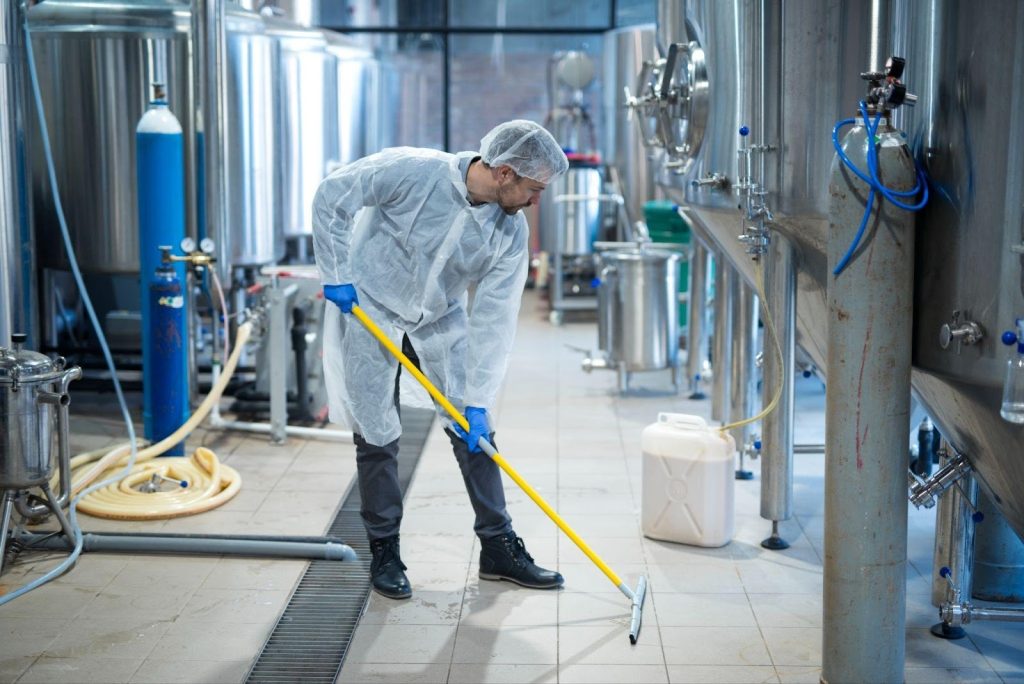
Keeping storage tanks and offshore facilities is necessary for safe and efficient operations. However, deciding between in-house maintenance and outsourcing professional tank cleaning services is not always straightforward. While internal teams may handle small-scale cleaning, there comes a point when outsourcing becomes not only practical but also vital for compliance, safety, and performance.
When In-House Cleaning Reaches Its Limits
Many companies have internal teams handling routine cleaning tasks. This approach works well for accessible tanks with manageable residue levels. However, as tanks accumulate complex waste such as sludge, hydrocarbons, or chemicals, the limits of in-house capacity become clear. Internal teams risk incomplete cleaning or, worse, safety incidents, without specialised equipment or confined-space training. Offshore facilities face even tighter constraints—limited manpower, harsh weather, and strict environmental standards make DIY cleaning both risky and inefficient. Bringing in expert tank cleaning services becomes necessary at this stage to ensure compliance and protect the workforce.
Safety and Compliance as Key Triggers
One of the most decisive factors in outsourcing is safety compliance. Industrial tank cleaning often involves entry into confined spaces where toxic gases, flammable residues, and oxygen depletion pose serious hazards. Professional cleaning companies can handle these environments under strict safety frameworks, often aligned with ISO, NEA, or MOM standards. Offshore operations face even stricter requirements under international maritime regulations, where unqualified cleaning work could lead to penalties or shutdowns. Outsourcing to specialists ensures that all safety procedures, from gas detection to waste disposal, are managed following best practices, reducing liability and operational risks.
When Downtime Becomes Too Costly
Operational downtime is another clear indicator that outsourcing makes financial sense. Every hour a tank remains offline translates to lost productivity and revenue. Specialist offshore cleaning companies use advanced equipment, such as automated tank washers and high-pressure systems, to complete jobs faster than manual teams. Their efficiency helps minimise shutdown durations while delivering more thorough cleaning results. Outsourcing ensures that maintenance can be done quickly and safely without disrupting ongoing operations or transport schedules.
Handling Hazardous or Complex Waste
Certain types of waste require expertise beyond basic cleaning. Sludge containing hydrocarbons, chemicals, or heavy metals demands precise handling, storage, and disposal under environmental laws. Offshore waste, in particular, must be managed in compliance with the International Maritime Organisation (IMO) and local environmental regulations. Professional tank cleaning services have the right technology—vacuum transfer units, filtration systems, and waste recycling processes—to handle these materials responsibly. Outsourcing ensures that the waste is not only removed but treated in a way that aligns with both environmental and corporate sustainability standards.
When Quality Assurance Matters to Clients or Regulators
Companies working with international partners or government contracts often face inspection and audit requirements. Tanks must meet cleanliness standards before certification or product transfer. Relying on a professional cleaning provider adds credibility in such cases. Outsourced services typically include documentation, before-and-after inspections, and waste tracking—records that can prove essential during compliance checks or client audits. This traceability reinforces accountability and professional integrity, strengthening a company’s operational reputation in both local and offshore markets.
Conclusion
Outsourcing tank cleaning services is not a sign of weakness; it is a strategic decision that balances safety, efficiency, and compliance. Professionals can step in with precision and expertise when in-house teams face time, skill, or equipment constraints. Offshore environments, in particular, demand such specialisation to ensure environmental responsibility and operational continuity. Ultimately, outsourcing allows businesses to focus on what they do best—while experts handle the dirty work that keeps operations safe and sustainable.
Ready to keep your operations clean, safe, and compliant? Visit BELFOR today and don’t let inefficiency or safety risks slow your business.