
Key Takeaways
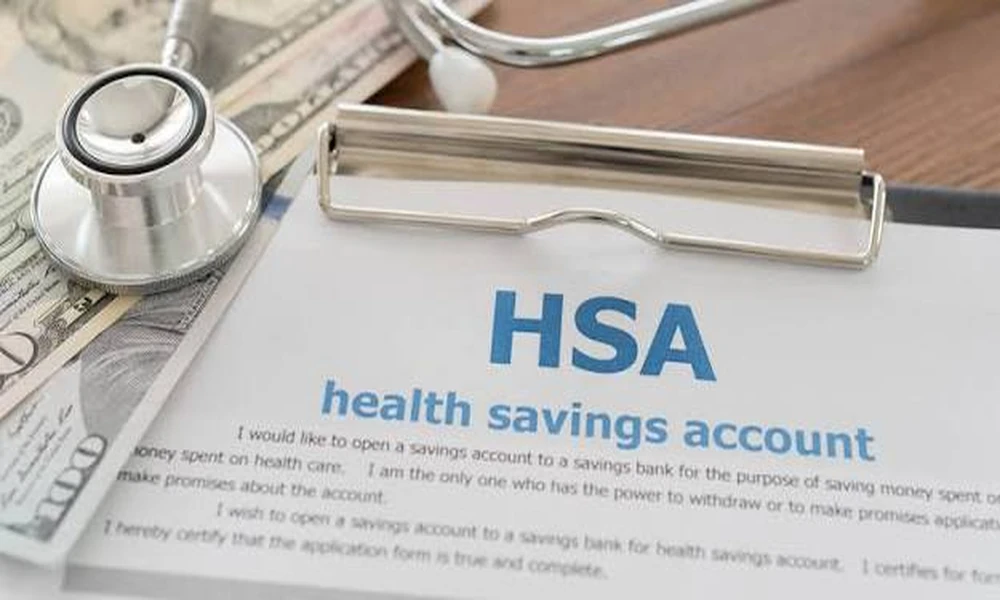
Health savings accounts (HSAs) in San Antonio offer notable tax advantages. They let individuals save pre-tax dollars for medical expenses while also reducing overall taxable income.
In 2023, the contribution limits stand at $3,850 for individuals and $7,750 for families. Those aged 55 and older can add an extra $1,000, which encourages maximum savings potential.
To qualify for an HSA, individuals must be enrolled in a high-deductible health plan (HDHP). Minimum deductibles are $1,500 for individuals and $3,000 for families. Additionally, one cannot be enrolled in Medicare or claimed as a dependent.
Financial experts often suggest setting up automatic contributions to HSAs. This practice serves as a solid budgeting strategy, fostering consistent savings while allowing funds to grow through investments over time.
Strategic investment of HSA funds can greatly enhance growth potential. For those expecting few medical expenses, more aggressive investment might be wise. Conversely, individuals anticipating immediate healthcare costs should keep funds more accessible.
When selecting investment options for HSAs, it’s vital to evaluate mutual funds, stocks, and bonds carefully. Doing so should align with personal financial goals and risk tolerance, aiming for low fees and strong performance to boost returns.
In the real world, families in San Antonio have found effective ways to use HSAs for managing healthcare expenses. They’ve utilized these accounts for treatments, preventive care, and even alternative therapies, which helps cultivate financial resilience and peace of mind.
Unpacking the Advantages of Health Savings Accounts in San Antonio
How HSAs Enhance Financial Flexibility for Healthcare Expenses
The world of healthcare financing is constantly changing. For many individuals and families in San Antonio, health savings accounts (HSAs) are transforming medical cost management. These accounts mix tax advantages with savings opportunities specifically for healthcare expenses. Picture saving for medical needs while enjoying tax benefits – it could lead to a healthier wallet and a clearer mind.
HSAs enable account holders to save pre-tax dollars. In essence, money taken from their paycheck or directly deposited isn’t subjected to federal income tax. Over time, these savings can accumulate significantly, especially in the face of unexpected healthcare costs. Quick access to funds, combined with targeted investment options within HSAs, crafts a powerful financial tool.
The flexibility of HSAs goes beyond immediate medical expenses. Individuals have the freedom to spend their funds on a wide range of qualified medical expenses, including deductibles and co-pays. Yet, the reality is, many don’t fully exploit their HSAs.
- Prescription medications
- Vision care, including glasses and contacts
- Dental expenses, such as cleanings and orthodontics
These examples illustrate the practical side of an HSA. When leveraged correctly, it becomes an essential part of any personal finance strategy.
Tax Breaks You Can’t Afford to Overlook
Every new year presents fresh opportunities for individuals and families to tap into their savings via HSAs. A major advantage is undoubtedly the tax benefits. Contributions are made pre-tax, thus lowering taxable income. Withdrawals are tax-free, provided they’re used for qualified medical expenses. This trio of tax benefits-contributing, growing, and withdrawing-makes HSAs particularly attractive.
Research indicates that about 35% of Americans remain unaware of the substantial tax incentives associated with HSAs. This knowledge gap leads to a loss of significant savings potential. Being aware can dramatically reshape monthly budgets and lessen out-of-pocket medical expenses.
“Consider HSAs as a critical component of financial planning, not merely a savings account.” – Financial Advisor
In practice, individuals aware of these advantages often utilize annual contribution limits. For 2023, individuals can contribute as much as $3,850, while families can set aside up to $7,750. For those 55 and older, there’s also a catch-up contribution of $1,000. Why leave unutilized funds behind when they could pave the way for healthier spending in the future?
Understanding Eligibility and Contributions for San Antonio Residents
Qualifying for an HSA: What You Need to Know
Determining eligibility for a health savings account san antonio depends on several key factors. Individuals must be enrolled in a high-deductible health plan (HDHP) to qualify. For 2023, these plans stipulate a minimum deductible of $1,500 for individuals and $3,000 for families. While these requirements might seem rigid, they help ensure effective use of HSAs.
Additionally, eligibility is contingent upon not being enrolled in Medicare and not being claimed as a dependent on someone else’s tax return. Recognizing these details can help prevent misunderstandings that might block access to these beneficial accounts.
However, it’s worth noting that many overlook the necessity of thoroughly reviewing insurance policies to verify HDHP status. This simple yet critical oversight can limit the potential benefits of HSAs.
Maximizing Your Contributions: Strategies for Savvy Savers
Once individuals grasp their eligibility, the next logical step is optimizing contributions. Experts often suggest establishing automatic transfers to HSAs as a part of monthly budgeting. This strategy ensures consistent contributions and boosts overall savings, while the simple habit of “paying yourself first” makes a considerable impact.
A well-organized savings strategy can yield significant growth. On average, account holders may see their HSA balances increase as they invest their contributions. Here are a few strategies to consider:
- Max out the allowable contribution each year.
- Utilize catch-up contributions as soon as eligible.
- Invest HSA funds in low-cost index funds or targeted mutual funds for enhanced returns.
Financial savvy isn’t solely about saving money; it’s also about making informed choices with accumulated funds. When individuals invest HSA dollars, they can reap the benefits of market growth. Starting early can lead to greater returns as expenses surface.
Working through the Ins and Outs of HSA Investments
When to Invest: Timing Your HSA Growth
In personal finance, timing can be everything. With HSAs, the timing of investment decisions can significantly affect financial trajectories. For those expecting few medical expenses in the near future, it may be wise to invest a larger portion of HSA funds. This helps facilitate potential growth over time.
On the flip side, individuals anticipating immediate healthcare costs might prefer to keep their funds more liquid within the HSA. Evaluating personal healthcare needs is essential in determining investment strategies.
“Investing isn’t solely for retirement; it can be a lifelong strategy.” – HSA Strategy Expert
The contribution limits for HSAs allow for strategic thinking; fund growth adds another layer of financial support. Monitoring market trends while aligning with personal financial goals remains crucial for maximizing HSA effectiveness. This is not merely a long-term endeavor-it demands thoughtful decision-making in real-time.
Choosing the Right Investment Options: A Guide for Participants
Navigating the selection of investment options can feel intimidating. Choices vary by financial institution but generally encompass mutual funds, stocks, and bonds. Clients usually find that being familiar with different investment vehicles significantly aids in deciding how to allocate their HSA funds.
Conducting detailed research proves to be the smart move in this context. Seek out firms with low fees, good performance, and reliable customer service. Understanding fees helps avoid unnecessary costs that might erode returns.
- Mutual Funds: Provide diversification across sectors, but careful scrutiny of fees is necessary.
- Stocks: Carry higher risk but offer potential for significant returns.
- Bonds: Typically stable but may yield less compared to stocks.
Most critical is aligning investment choices with personal financial goals. This might mean selecting conservative options if healthcare needs are imminent, versus opting for aggressive investments aimed at long-term growth. Being mindful of risk tolerance is equally important.
Real-World Applications: Success Stories from San Antonio Residents
How HSAs Are Changing the Game for Local Families
Engaging narratives often resonate more than numbers. Families in San Antonio have effectively leveraged HSAs to refine their healthcare financial strategies. One family, for instance, revamped their budgeting for health expenses through a disciplined savings approach. They allocated HSAs for treatments and preventive care, yielding significant savings each year.
Innovative usage has also surfaced. Certain families have tapped into HSAs to support alternative treatments, even when those aren’t typically covered by standard insurance policies. Research indicates that families exploring alternative care often reap broader benefits beyond conventional medicine. Sharing such experiences in community conversations helps nurture collective knowledge.
“HSAs empower us to take charge of our healthcare spending and invest in what’s most important for our family.” – Local Family
Families utilizing HSAs not only foster financial resilience but also build confidence in health-related decisions. Having access to these funds eases the stress during medical emergencies and promotes a proactive stance rather than a reactive one. Can one place a price on peace of mind? It seems, indeed, families can – and they do so every day.
Case Studies: Practical Uses of HSAs in Everyday Life
Real-life case studies illustrate success effectively. For instance, take the example of a young couple who used their HSA for dental and vision expenses, substantially lowering their out-of-pocket costs over the years. Their pre-tax contributions enabled them to establish comprehensive healthcare without financially draining themselves.
Another story showcases a single parent who accessed HSA funds during a period of medical crisis. The tax-free funds covered significant deductibles, allowing them to focus on recovery rather than financial concerns. Scenarios like these highlight the practical application of HSAs in everyday life.
- Funding out-of-pocket expenses for a child’s braces.
- Covering urgent care visits without added financial pressure.
- Staying proactive with routine screenings without the worry of costs.
Grasping the significance of HSAs can positively influence individuals’ everyday experiences. They’re more than just accounts; they serve as tools for developing stronger, healthier financial habits.
FAQ
What types of medical expenses can be covered by an HSA?
HSAs can cover various qualified medical expenses, such as doctor visits, prescription medications, dental and vision care, and even select alternative treatments. This versatility enables account holders to allocate their funds effectively based on specific healthcare needs.
Are HSAs transferable if I change jobs or move?
Yes, HSAs possess portability. Individuals can take their HSAs along when changing jobs or relocating, ensuring continuity in managing healthcare expenses without losing any of their accumulated funds. This portability is a substantial advantage in today’s job market.
Can HSAs be used for expenses incurred before the account was opened?
Absolutely. If the medical expense arises after the HSA was established, account holders may use HSA funds to reimburse themselves. This feature provides added flexibility in managing out-of-pocket expenses over time.
Is there an expiration date for HSA funds?
No, HSA funds don’t expire. Remaining balances carry over year after year, allowing individuals to save and invest their funds indefinitely until they’re needed for qualified medical expenses. This characteristic enhances their appeal as a long-term savings solution.
What happens to my HSA after I turn 65?
Upon reaching 65, account holders can continue to withdraw from their HSAs tax-free for qualified medical expenses. Should funds be used for non-medical expenditures, they’ll incur income taxes, though no additional penalty will apply. This added flexibility amplifies the value of HSAs in retirement planning.
How are HSA contributions impacted by changes in family status, like marriage or having children?
Shifts in family status can influence HSA contribution limits. For example, if an individual marries or has a child, they may transition to family coverage, thereby allowing for higher contribution limits. Yearly review of these changes can maximize potential savings.
Can I invest my HSA funds directly, or do I need to keep them in cash?
Investment opportunities differ by financial institution. Many HSAs permit account holders to invest funds in stocks, bonds, or mutual funds. Individuals should assess their healthcare needs and risk tolerance when deciding between liquid cash or growth-oriented investments.
Do HSAs affect my eligibility for other health assistance programs?
Generally speaking, having an HSA does not influence eligibility for programs like Medicaid or other assistance. Nevertheless, consulting with a financial advisor is prudent to ensure compliance, especially when navigating various healthcare financing options.
Useful Resources
- IRS – Health Savings Accounts (HSAs)
- Healthcare.gov – Learn About Health Savings Accounts
- Mayo Clinic – Understanding Health Savings Accounts
- Kaiser Family Foundation – Health Savings Accounts Explained
- National Association of Health Underwriters (NAHU)
- Centers for Disease Control and Prevention (CDC) – Health Financial Literacy Resources
- Fidelity – Health Savings Account Education Center
- Vanguard – Investment Options for HSAs
- TIAA – Financial Planning and HSAs

Comments are closed.