Category

Real estate

Category

Buying a first home is one of the biggest financial decisions many people make, and purchasing a condominium in Singapore can feel particularly complicated. There are numerous developments to compare, different unit types to consider, financing arrangements to understand and a long list of costs that may not be obvious when you first begin looking.

First-time buyers can easily become distracted by attractive interiors, impressive facilities or the excitement of owning a private home. Those factors certainly matter, but they should come after a clear understanding of affordability, lifestyle requirements and long-term plans.

A good first-home decision is not about finding a property that looks perfect. It is about finding one that you can comfortably afford and genuinely enjoy living in while retaining reasonable flexibility for the future.

Know What You Can Comfortably Afford

The first step should be financial rather than emotional.

Before visiting showrooms or arranging multiple property viewings, establish a realistic purchase budget. Consider your available savings, expected financing, monthly income and existing financial commitments.

It is important to leave room for expenses beyond the property’s advertised price. A home purchase can involve taxes, legal fees, renovation, moving costs, insurance and recurring maintenance expenses.

Mortgage affordability should also be assessed conservatively.

Just because a particular loan amount appears technically achievable does not mean that borrowing the maximum amount is necessarily comfortable. Interest rates, household expenses and income circumstances can change.

A sensible budget gives you room to manage unexpected situations without allowing the property to dominate your finances.

Separate Needs From Wants

First-time buyers often begin their search with a long wish list.

A swimming pool may be desirable. A large balcony might be attractive. A particular view could be appealing.

But not every desirable feature deserves the same importance.

Start by identifying the things you genuinely need.

For a couple planning to have children, the number of bedrooms and neighbourhood environment may matter more than decorative features. Someone working from home may require a practical workspace. A buyer who travels frequently may value transport connectivity above a large collection of condominium facilities.

Separating essential requirements from optional preferences makes the search more focused.

It can also prevent buyers from paying a significant premium for features they may rarely use.

Think About Your Lifestyle Five Years From Now

A first home should not be chosen solely around today’s routine.

Your circumstances may change considerably over the next several years.

You could change jobs, start a family, work remotely more often or develop different lifestyle priorities. Although nobody can predict these changes precisely, considering them can help you choose a property with some flexibility.

For example, a practical second bedroom can potentially serve as a nursery, guest room or home office. A convenient location can remain valuable even if your workplace changes.

This is one reason functionality often matters more than superficial presentation.

Study the Floor Plan Carefully

First-time buyers sometimes focus heavily on the total square footage or square metreage of a unit.

However, the way space is arranged can be just as important.

Look at the shape and proportions of each room. Consider where beds, wardrobes, sofas, dining tables and workstations would actually fit.

Storage is another frequently underestimated issue.

A unit can appear spacious when it is empty but become significantly more constrained once everyday belongings are added.

When viewing a property, try to imagine your actual possessions inside the apartment rather than judging the space based solely on the furniture provided for display.

Location Should Match Your Routine

Singapore offers excellent connectivity, but convenience still varies significantly between neighbourhoods.

Instead of choosing an area purely because it has a strong reputation, consider how it fits your own routine.

Think about your daily commute, access to supermarkets, schools, healthcare, family and recreational activities.

If you regularly use public transport, assess the actual journey rather than relying solely on a property’s advertised proximity to a station.

If you drive, consider typical traffic conditions and access to major roads.

A convenient location can provide value every day, not merely when the property is eventually sold.

Look Beyond the Development’s Boundaries

A condominium may have attractive internal facilities, but residents spend plenty of time outside the development as well.

Explore the surrounding streets before committing to a purchase.

Look for everyday services such as supermarkets, cafés, restaurants, healthcare facilities and parks.

Pay attention to the atmosphere too.

Is the neighbourhood quiet or busy? Does it feel comfortable at night? Are there roads or commercial activities nearby that could affect noise?

Visiting at different times can reveal details that a daytime viewing may not show.

Don’t Let the Showflat Make the Decision

A professionally designed showflat is intended to help buyers visualise the potential of a home.

That can be useful, but buyers should remember that the displayed furniture, styling and decorative elements can influence perception.

Focus on the underlying property.

Look at the actual floor plan, dimensions, orientation, windows, storage and available space.

Ask yourself whether the unit would remain appealing without the carefully selected furniture and decoration.

This mindset can help you distinguish between genuine functionality and presentation.

Compare the Property With Alternatives

Once you find a development you like, resist the urge to stop researching.

Comparing alternatives can reveal whether the property represents reasonable value.

A buyer interested in different residential options may come across Lucerne Grand while researching the market. Rather than treating the name itself as a reason to buy, examine the property alongside other developments that fall within the same budget and satisfy similar lifestyle requirements.

The comparison should focus on factors that can actually influence your decision.

Look at location, unit layout, pricing, surrounding amenities, development characteristics and potential future appeal.

The objective is not to find a development that wins every category. It is to identify the combination that makes the most sense for you.

Understand the Difference Between Price and Value

A lower price does not automatically mean better value.

Likewise, a higher-priced property is not necessarily overpriced.

Price needs to be considered in relation to what the buyer receives.

A property may command a premium because of location, accessibility, unit characteristics or other attributes. Another property may have a lower entry price because it is older, less convenient or positioned in a more competitive area.

First-time buyers should therefore avoid making decisions based solely on the largest or smallest number in a comparison.

The more useful question is why two properties are priced differently.

Consider Future Resale Appeal

Even if you plan to stay in your first home for many years, future resale should not be ignored.

Life can change.

You may eventually need a larger property, relocate for work or adjust your housing arrangements.

A home with broad appeal can potentially provide greater flexibility when circumstances change.

Practical layouts, convenient locations and access to established amenities can all contribute to a property’s potential marketability.

This does not mean buying for an imaginary future buyer. Your own needs should remain the primary consideration.

It simply means avoiding major compromises that could make the property difficult to sell later.

Be Realistic About Investment Expectations

Some first-time buyers view their home primarily as an investment.

That perspective can be useful, but it should not lead to unrealistic expectations.

Property prices do not rise in a straight line, and individual developments can perform differently from the wider market.

If you are buying a home you intend to live in, personal suitability should remain important.

Rental potential can be relevant if you may eventually lease the property, but rental income should not be assumed to cover every ownership expense.

A property should make sense as a home before speculative future gains are considered.

Think Carefully About Facilities

Condominium facilities can be appealing, especially for first-time buyers who are excited by the lifestyle associated with private residential developments.

However, consider how often you are likely to use them.

If you rarely swim, an impressive pool may have limited practical value. If you exercise frequently, a well-equipped fitness area could be more meaningful.

Families may value children’s facilities, while other households may prioritise gardens or communal spaces.

Maintenance costs should also be considered because facilities require ongoing upkeep.

The right question is not how impressive the facilities look but how much value they add to your everyday life.

Explore Different Neighbourhood Options

First-time buyers should remain open to alternatives.

A preferred neighbourhood may initially seem essential, but another area could provide similar convenience at a different price point.

For buyers comparing residential possibilities, Amberwood at Holland may become part of that research depending on the buyer’s location preferences and requirements.

The important thing is to evaluate every shortlisted property using consistent criteria.

Do not give one development a lower standard simply because you have already become emotionally attached to another.

Take Financing Seriously

Financing can affect the entire ownership experience.

Before committing, understand how your expected mortgage payments fit into your monthly budget.

Consider what would happen if interest rates changed or household expenses increased.

A property that leaves no financial breathing room can become stressful even if the home itself is excellent.

It is better to choose a slightly less ambitious property that you can own comfortably than to stretch your finances for a home that creates ongoing pressure.

Take Your Time Before Signing

Buying property can create a strong sense of urgency.

Sales environments may encourage quick decisions, particularly when buyers believe desirable units will disappear.

However, first-time buyers should distinguish genuine deadlines from emotional pressure.

Before committing, review the financial calculations, compare alternatives and make sure the property satisfies your essential requirements.

If something important remains unclear, seek appropriate professional advice or clarification before proceeding.

Build a Simple Decision Framework

A straightforward scoring system can make the final choice easier.

For each shortlisted property, consider:

  • Affordability
  • Location
  • Transport convenience
  • Unit layout
  • Neighbourhood amenities
  • Privacy and environment
  • Development characteristics
  • Future flexibility
  • Resale considerations
  • Overall personal suitability

You can give more weight to the factors that matter most to you.

This will not produce a perfect mathematical answer, but it can prevent one exciting feature from overshadowing several practical disadvantages.

Conclusion

For first-time condominium buyers in Singapore, the most important lesson is to slow down and look beyond presentation.

Start with affordability, then establish your essential requirements. Study the location, explore the neighbourhood and examine the actual unit layout carefully. Compare multiple properties and think about how your needs could change over time.

A first home does not need to be perfect in every category. It needs to be financially manageable, practical for your lifestyle and sufficiently flexible for the future.

By approaching the purchase with realistic expectations and disciplined research, first-time buyers can enjoy the benefits of private homeownership without allowing excitement to replace careful decision-making.

Natural lighting and ventilation have become important considerations for homeowners seeking comfortable and practical living environments in Singapore. A well-designed home should make effective use of daylight and fresh airflow while maintaining privacy and energy efficiency. These features influence how a space feels throughout the day and can affect everyday comfort in subtle but meaningful ways. As residential architecture continues to evolve, buyers are paying greater attention to how building orientation, window placement, room layouts, and outdoor connections contribute to the quality of indoor living.

Bringing More Daylight Into Living Spaces

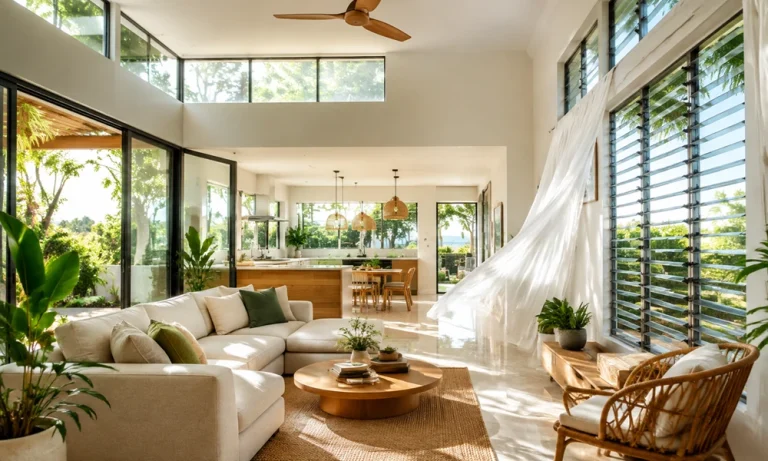
Natural light can make residential interiors feel brighter, more spacious, and welcoming. Large windows, appropriate building orientation, and carefully positioned openings can allow daylight to reach living rooms, bedrooms, and other frequently used areas.

Good access to daylight can also reduce reliance on artificial lighting during parts of the day. Buyers should examine how much natural light reaches different rooms rather than focusing only on the size of windows. The direction a unit faces, surrounding buildings, and potential obstructions can all influence the amount of daylight available.

Supporting Comfortable Indoor Airflow

Ventilation is another important element of residential design. Effective airflow can help maintain a more comfortable indoor environment, particularly in Singapore’s warm and humid climate.

Windows positioned on different sides of a home may support cross-ventilation, allowing air to move through living areas more effectively. Buyers viewing a property should consider the location of windows and doors, the relationship between rooms, and whether the layout allows air to circulate naturally. These practical details can influence comfort throughout everyday use.

Reducing Dependence on Artificial Systems

Natural lighting and ventilation can complement mechanical systems within a home. When daylight is readily available and airflow is well planned, residents may have greater flexibility in how they use lighting and air-conditioning.

This can contribute to more efficient household routines. It does not eliminate the need for electrical systems, particularly during Singapore’s warmer periods, but thoughtful design can help residents make better use of natural environmental conditions. The result is a home that responds more effectively to its surroundings.

Improving the Feel of Interior Spaces

The quality of light can influence the atmosphere of a home. Daylight can highlight architectural details, make colours appear more natural, and create a sense of openness within rooms.

Ventilation also affects how comfortable spaces feel. A home with good airflow may feel fresher and less enclosed than one with limited natural ventilation. These qualities are difficult to capture through floor plans alone, which is why buyers should experience a property in person whenever possible.

Considering Privacy Alongside Natural Features

Maximising windows and ventilation does not mean sacrificing privacy. Modern residential design needs to balance access to daylight and airflow with the comfort of residents.

The positioning of windows, balconies, screens, landscaping, and neighbouring buildings can all affect privacy. Developments such as The Serra Residences demonstrate why buyers may consider how architectural planning integrates natural elements with residential comfort. Good design should allow residents to enjoy daylight and ventilation without feeling overly exposed.

How Orientation Influences Living Conditions

A home’s orientation can influence daylight, heat exposure, and airflow. Buyers should consider how the sun reaches different parts of the unit at various times of day and whether nearby buildings affect airflow.

This is particularly useful during a property viewing. Visiting at different times, where possible, can help buyers understand how natural conditions change throughout the day. Rather than judging a home solely by its appearance, observing its actual lighting and airflow provides a more realistic impression of everyday living.

Connecting Indoor and Outdoor Areas

Balconies, terraces, landscaped views, and well-positioned windows can create stronger connections between indoor spaces and the surrounding environment. These features can make homes feel more open while providing opportunities to enjoy greenery and outdoor views.

The relationship between interior and exterior areas is increasingly important in contemporary residential design. Buyers may appreciate homes that provide a visual connection to gardens, parks, or landscaped communal spaces without compromising practical living requirements.

Design Quality Influences Long-Term Comfort

Natural lighting and ventilation are most effective when integrated into the broader architectural design. Window placement, ceiling height, room proportions, building orientation, and surrounding landscaping can all contribute to indoor comfort.

Projects such as Dunearn Green illustrate why buyers often assess residential developments through several design elements at once. Natural features can complement efficient layouts, useful amenities, and thoughtful communal spaces to create a more comfortable living environment.

Choosing a Home With Environmental Comfort in Mind

Natural lighting and ventilation may seem like simple architectural features, but they can influence how residents experience their homes every day. Good daylight can create brighter interiors, while effective airflow can support a more comfortable indoor environment.

Homebuyers should therefore examine these qualities during property viewings rather than relying solely on brochures or floor plans. A home that makes thoughtful use of natural conditions can offer greater comfort, practical flexibility, and a stronger connection to its surroundings throughout the years of ownership.

The first year of owning an Executive Condominium (EC) is often more demanding than buyers expect. After the excitement of key collection fades, homeowners are faced with practical responsibilities such as renovation management, budgeting, furnishing decisions, and adapting to a new residential environment.

For owners of Solano Grand and Wynwood Grand, the first year is a critical adjustment period that sets the foundation for long-term comfort and financial stability. A well-managed first year can significantly improve both lifestyle satisfaction and property performance in the years ahead.

Understanding the First-Year Transition Phase

The first year after receiving keys is not just about moving in-it is about stabilizing your home environment.

Key Activities During This Phase

  • Completing renovation works
  • Setting up utilities and connectivity
  • Purchasing essential furniture
  • Adjusting daily routines
  • Managing unexpected defects or issues

This transition period in Solano Grand and Wynwood Grand requires careful coordination and planning.

Renovation Planning Without Delays

Renovation is often the most time-consuming part of the first year.

Common Renovation Challenges

  • Contractor delays
  • Material shortages
  • Design changes mid-project
  • Budget overruns

Best Practice Approach

  • Finalize design before handover
  • Engage contractors early
  • Set realistic timelines
  • Avoid frequent design changes

A structured renovation plan reduces stress and helps ensure timely move-in.

Budget Management in the First Year

Many EC owners underestimate first-year expenses.

Typical Costs Include:

  • Renovation and carpentry
  • Electrical and plumbing works
  • Furniture and appliances
  • Curtains and fittings
  • Unexpected repairs or adjustments

Homeowners in Solano Grand and Wynwood Grand should maintain a financial buffer beyond initial estimates.

Utility Setup and Home Systems

A functional home requires properly configured systems.

Essential Setups

  • Electricity and water accounts
  • Internet and Wi-Fi installation
  • Air-conditioning servicing
  • Smart home system configuration (if applicable)

Delays in setup can disrupt daily routines significantly.

Managing Initial Defects and Rectification Works

New EC units may have minor issues after handover.

Common Defects Include:

  • Paint imperfections
  • Loose fittings
  • Minor plumbing issues
  • Electrical inconsistencies

Reporting issues early ensures smoother rectification and better long-term maintenance.

Furniture Selection Strategy for EC Homes

Furniture decisions strongly influence both comfort and usability.

Smart Furniture Planning

  • Prioritize essential rooms first
  • Choose space-efficient designs
  • Avoid oversized furniture in smaller rooms
  • Maintain a consistent interior theme

Homes in Solano Grand and Wynwood Grand benefit from functional and flexible furniture layouts.

Learning Facility Usage and Community Rules

EC living includes shared facilities that require proper understanding.

Common Facilities

  • Swimming pool
  • Gym
  • BBQ pits
  • Function rooms
  • Landscaped gardens

Important Rules

  • Booking systems for shared spaces
  • Noise regulations
  • Guest usage policies
  • Maintenance schedules

Understanding these rules ensures a smooth community living experience.

Adapting to Neighbourhood Living

The first year is also about adjusting to the surrounding environment.

Key Adjustments Include:

  • Learning nearby transport routes
  • Identifying grocery and food options
  • Understanding peak traffic patterns
  • Exploring nearby amenities

This helps residents of Solano Grand and Wynwood Grand settle into daily routines faster.

Building Efficient Daily Routines

A well-planned routine improves long-term comfort.

Morning Routine Optimization

  • Organize work and school schedules
  • Reduce preparation bottlenecks
  • Streamline household movement

Evening Routine Optimization

  • Plan meal preparation
  • Allocate relaxation time
  • Maintain work-life separation

Good routines reduce stress and improve productivity.

Avoiding First-Year Financial Mistakes

Financial discipline is crucial during the first year.

Common Mistakes

  • Overspending on non-essential décor
  • Underestimating renovation costs
  • Ignoring loan repayment buffers
  • Not planning for maintenance fees

Proper financial planning ensures stability in Solano Grand and Wynwood Grand ownership.

Maintenance Habits That Protect Property Value

Early maintenance habits can influence long-term condition.

Recommended Practices

  • Regular cleaning schedules
  • Air-conditioning servicing
  • Plumbing checks
  • Preventive repairs

Well-maintained units tend to perform better in future resale markets.

Work-Life Balance in a New EC Home

Many homeowners also use their EC as a work-from-home space.

Key Considerations

  • Dedicated workspace setup
  • Noise control strategies
  • Lighting optimization
  • Clear separation of work and rest zones

This is especially relevant in modern EC living environments like Solano Grand and Wynwood Grand.

Social Adjustment and Community Living

First-year EC living also involves building familiarity with neighbors.

Benefits of Community Engagement

  • Improved security awareness
  • Easier facility coordination
  • Stronger neighborhood relationships
  • More comfortable living environment

Community integration improves overall residential satisfaction.

Common First-Year Mistakes to Avoid

Many issues can be avoided with better planning.

Mistake 1: Rushing Move-In

Moving in before full renovation completion can create long-term inconvenience.

Mistake 2: Poor Space Planning

Incorrect furniture placement reduces functionality.

Mistake 3: Ignoring Small Defects

Small issues left unresolved can worsen over time.

Avoiding these mistakes ensures smoother ownership experience in Solano Grand and Wynwood Grand.

Conclusion

The first year of EC ownership is a crucial adjustment period that sets the tone for long-term living satisfaction. From renovation planning and budgeting to lifestyle adaptation and maintenance habits, every decision during this phase has lasting impact.

For owners of Solano Grand and Wynwood Grand, approaching the first year with structure, patience, and financial discipline ensures a smoother transition into EC living. A well-managed start not only improves daily comfort but also strengthens long-term property value and ownership experience.

A More Measured Property Market Environment

Singapore’s property market in 2026 is operating in a more controlled and mature phase, where rapid speculative growth has largely been replaced by steady, fundamentals-driven performance. Buyers are increasingly analytical, focusing on long-term value rather than short-term price movements. Factors such as economic stability, housing supply management, and urban planning continue to ensure that the market remains resilient even during global uncertainty.

Demand Is Now Driven by Fundamentals, Not Hype

Unlike previous cycles where sentiment and speculation played a larger role, today’s demand is primarily driven by fundamentals. Buyers are carefully evaluating transport accessibility, proximity to employment hubs, and future infrastructure development before making decisions. This has created a more selective market where only well-positioned developments consistently attract strong interest.

Transport Connectivity Remains a Top Priority

One of the strongest and most consistent drivers of property value in Singapore is MRT accessibility. Properties located near transport nodes continue to outperform because they offer daily convenience and reduce commuting time. This advantage directly translates into stronger rental demand and long-term price resilience, making connectivity a central factor in investment analysis.

Lifestyle Expectations Are Reshaping Buyer Preferences

Modern buyers are no longer focused solely on location and price. There is a growing expectation for homes to support a complete lifestyle experience. This includes efficient layouts, wellness-oriented facilities, green spaces, and smart home integration. Developments that fail to meet these expectations often struggle to maintain competitiveness in the resale and rental market.

Strategic Growth in Emerging Residential Developments

In this evolving landscape, certain developments are gaining attention for their alignment with long-term demand trends. Lucerne Grand is an example of a modern residential project that reflects this shift, offering a combination of accessibility and contemporary design that appeals to both homeowners and investors. Such properties are increasingly favored for their ability to balance liveability with investment potential.

Suburban Expansion and Decentralisation Impact

Singapore’s decentralisation strategy continues to influence property demand across the island. Regional hubs are being developed to reduce pressure on the city centre, bringing employment, retail, and lifestyle amenities closer to suburban populations. This shift has made non-central areas more attractive, especially when supported by strong transport infrastructure and future development plans.

Rental Market Stability and Tenant Behavior

Rental demand in Singapore remains stable due to consistent population inflows and strong employment conditions. Tenants today prioritize convenience, connectivity, and quality living environments. Properties near MRT stations and business districts tend to maintain higher occupancy rates, while well-designed smaller units are especially popular among professionals seeking flexibility and affordability.

Lifestyle-Oriented Living Gaining Momentum

There is a clear shift toward developments that offer more than just housing. Buyers and tenants are increasingly drawn to residential environments that provide a sense of community, recreation, and relaxation. Island Residences reflects this growing demand for lifestyle-oriented living, offering a more tranquil residential experience while still maintaining reasonable access to key urban areas.

Government Regulation Supporting Market Stability

Singapore’s property market continues to benefit from strong regulatory oversight. Cooling measures, controlled supply, and careful urban planning ensure that price fluctuations remain gradual rather than extreme. This creates a stable investment environment where long-term planning is more effective than speculative trading.

Financing Conditions Encouraging Discipline

Higher interest rates have introduced a more disciplined approach to property investment. Buyers are now more focused on affordability, cash flow management, and sustainable leverage levels. This has reduced excessive speculation and contributed to a healthier overall market structure, where decisions are based on financial stability rather than aggressive borrowing.

Conclusion

The Singapore property market in 2026 is defined by stability, maturity, and strategic demand patterns. Buyers are increasingly focused on long-term fundamentals such as connectivity, lifestyle value, and future growth potential. Developments that align with these priorities are more likely to sustain demand and deliver consistent performance over time, making careful selection more important than ever in today’s environment.

Renovation often feels like progress you can see and touch. Walls change, layouts shift, and finishes look smarter. Figures, however, rarely move from appearance alone. Pricing outcomes follow evidence, approval status, and market behaviour rather than surface polish. Renovation influences results only when changes align with how buyers and occupants actually use a space.

Renovation Versus Alteration in Valuation Terms

Renovation focuses on renewal, bringing ageing elements back into usable condition. Alteration goes further by changing layout, structure, or approved use. Each type affects assessment differently because risk, durability, and function sit at different levels, all of which feed into how property value is considered.

Within valuation reports, completed works are reviewed against approvals, workmanship quality, and relevance to market demand. Cosmetic upgrades and structural changes never receive equal treatment. Not every new tile earns the same line item in the ledger, no matter how shiny the grout appears.

How Functional Improvements Shape Market Reaction

Functional improvements influence decision-making more reliably than decorative changes. Better circulation, efficient storage, and updated services make daily use easier and future upkeep clearer. Buyers tend to recognise that practicality carries cost implications over time.

Valuers rely on transaction evidence where similar improvements attracted measurable pricing responses. When patterns hold, valuation reports explain how upgraded function links to observed outcomes. The emphasis stays on behaviour already shown, not enthusiasm still warming up on the sidelines.

Cosmetic Changes and Short-Term Appeal

Paint, fittings, and finishes refresh the presentation quickly. Properties often market faster after such work because initial impressions feel cleaner and more settled. First impressions still matter, even when substance waits underneath.

Despite positive reactions, pricing response remains cautious where cosmetic work stands alone. Finishes age, tastes shift, and replacement costs resurface sooner than expected. Valuation reports reflect this reality by treating presentation as supportive rather than permanent influence.

Structural Changes and Approved Use

Structural alterations alter how space functions over a longer horizon. Extensions, additional floors, or revised layouts affect occupancy options and income potential. Approval status becomes central, as unauthorised works introduce uncertainty.

When approvals align with completed work, property value may reflect added utility or clearer use. Documentation, construction quality, and remaining life are reviewed together. Solid records keep surprises out of the footnotes and expectations within reason.

Renovation Quality and Workmanship

Quality remains visible long after novelty fades. Poor workmanship introduces risk through repairs, downtime, and future cost. Consistent standards reduce friction during negotiation because fewer unknowns trail behind the finish line.

Inspection notes focus on materials, installation, and compliance. Observations remain factual and consistent across assignments. Where quality holds up, property value benefits from confidence rather than assumption.

Market Timing and Changing Conditions

Timing shapes renovation outcomes as much as the work itself. Strong demand can absorb upgrades more easily, while quieter conditions may mute response. Identical improvements can lead to different outcomes depending on wider activity.

Adjustment reflects current evidence, not optimism. Valuers align conclusions with recent transactions, ensuring property value assessment reflects prevailing conditions. Renovation never overrides market direction, no matter how fresh the paint smells.

Data, Tools, and Modern Valuation Practice

Valuation practice now works with broader data access. Digital plans, approval records, and transaction databases support clearer review of renovation impact. These tools improve documentation rather than judgement.

Clearer linkages between works and comparable evidence strengthen explanations inside valuation reports. Progress here shows up as consistency and traceability, not dramatic claims or headline moments.

Why Renovation Decisions Benefit from Valuation Insight

Renovation carries financial implications beyond construction cost. Understanding how changes translate into pricing response helps owners plan with fewer assumptions and tighter expectations.

Property value responds best when renovations improve use, compliance, and build quality. Valuation reports translate those outcomes into clear reasoning supported by evidence and context. The result feels steadier, less like a wager, and far easier to explain across the table. Contact CKS Property Consultants to discuss how renovation and alteration decisions are reflected in professional valuation work, using practical assessment and clear explanation.

The Tampines Street 62 site garnered significant interest as seven bidders vied for its ownership when the tender process concluded in July. The sprawling 301,392 square feet site has been approved for the construction of a maximum of 700 residential units. It boasts a prime location next to the highly sought-after Tenet, a 618-unit EC jointly developed by Qingjian Realty, Santarli Realty, and Heeton Holdings. These developers, who secured the neighboring site in August 2021 for a whopping $422 million, or $659 psf ppr, have naturally added Aurelle of Tampines Showflat to their impressive portfolio.

In conclusion, the fierce bidding war for the Tampines Street 62 site is a clear indication of the strong demand for residential properties in Singapore, especially in well-established and mature towns like Tampines. As the property market continues to remain resilient, it is exciting to see what the future holds for this highly coveted site and the upcoming Aurelle of Tampines development.

The Aurelle of Tampines showflat offers a sneak peek into the aesthetically pleasing and functional living spaces that will be available in the development. Visitors can explore the various unit types, including one to four-bedroom units, and get a feel of the overall layout and design of the development.

While the exact number of units that can be built on the site has not been specified, industry experts estimate that it could potentially yield around 590 residential units. The site also comes with a maximum gross floor area of 656,497 square feet and a leasehold of 99 years, making it a highly valuable property.

However, the competition for the Tampines Street 62 site is not just limited to the number of bidders. Developers will also have to contend with the strict bidding conditions set by the Urban Redevelopment Authority (URA). These include a requirement for developers to provide a childcare center and public transport amenities within the development and to incorporate sustainability features into the project.

The intense bidding war for the Tampines Street 62 site has drawn the attention of seven competitors, with each vying to secure this highly sought-after property in the heart of Singapore. The site, which was made available under the Government Land Sales (GLS) program, has attracted numerous developers eager to tap into the growing demand for residential properties in the area.

The showflat also showcases the various amenities that will be available to future residents, such as a swimming pool, fitness center, and children’s playground. Potential buyers can also view the surrounding neighborhood and get a sense of the convenient and vibrant lifestyle that awaits them.

The fierce competition for the Tampines Street 62 site highlights the current state of the property market in Singapore. Despite the ongoing pandemic and economic uncertainties, the demand for residential properties has remained strong. This can be attributed to various factors, including low interest rates, pent-up demand, and the appeal of owning a home in a mature and well-established town like Tampines.

The Aurelle of Tampines showflat is a testament to the potential of Tampines Street 62 and the surrounding area. With its close proximity to major amenities and its prime location in an established town, the demand for properties in this area is expected to continue to grow.

From traditional Singaporean dishes such as chicken rice and laksa to trendy cafes and Japanese sushi bars, there is something for everyone. Moreover, with the large expat community in Tampines, there are also restaurants serving international cuisines such as Korean, Thai, and Italian. Residents of Aurelle of Tampines EC are sure to find a new and exciting dining experience every time they venture out. In addition, the strict quality control measures in place ensure that the food is safe for consumption.

Despite these conditions, the interest in the site remains high, with developers confident that they can meet the URA’s requirements and deliver a high-quality development that will attract buyers. The final outcome of the bidding war will be eagerly awaited, and it is expected to set a benchmark for land prices in the surrounding area.

The vicinity of Aurelle of Tampines EC boasts a thriving culinary scene, offering a diverse range of gastronomic delights that cater to the palates of all individuals. Whether one has a craving for local fare or desires to indulge in international cuisines, Tampines has it covered. The array of food options around the condominium is abundant, ranging from humble hawker centers to upscale restaurants, providing residents with an abundance of dining choices. From traditional Singaporean delicacies like chicken rice and laksa to trendy cafes and Japanese sushi bars, there is an abundance of delectable options to choose from. Additionally, with a considerable expat presence in the area, residents can also relish in international cuisines such as Korean, Thai, and Italian. With an ever-evolving food scene, dining at Aurelle of Tampines EC is sure to be an exciting experience every time. Furthermore, strict quality checks in place guarantee the safety and quality of the food served.

The tender for the Tampines Street 62 site attracted a significant amount of interest, with a total of seven bidders by the closing date in July. The site spans 301,392 square feet and has approval for up to 700 residential units. Its prime location next to Tenet, an EC development with 618 units by Qingjian Realty, Santarli Realty, and Heeton Holdings, has further increased its appeal. The trio had successfully secured the adjacent site in August 2021 for $422 million, equivalent to $659 per square foot per plot ratio.

Located in the mature town of Tampines, the site offers a prime location with close proximity to various amenities such as shopping malls, schools, and public transportation. Its strategic location in the eastern part of Singapore also provides easy access to the city and other parts of the island, making it an attractive choice for both investors and homebuyers.

Apart from the intense bidding war for the Tampines Street 62 site, interested buyers and investors can also catch a glimpse of what the future holds for the area by visiting the showflat of Aurelle of Tampines. Developed by Sing Holdings Limited, this upcoming residential project is located at Tampines Street 86, just a short distance from the Tampines Street 62 site.

The seven bidders for the Tampines Street 62 site include some of the biggest names in the Singapore property market, such as City Developments Limited, Sing Holdings Limited, and CapitaLand. The keen interest in this site is not surprising, given its potential to yield a significant number of residential units and its prime location.

City Developments Limited, one of the bidders for the site, has expressed confidence in the potential of Tampines Street 62. In a statement, the company highlighted the site’s proximity to various amenities and its potential to provide future residents with a quality living environment. Sing Holdings Limited also echoed similar sentiments, stating that the Tampines Street 62 site presents an excellent opportunity for them to tap into the strong demand for homes in Tampines.


Boca Raton is located on the southeastern coast of Florida and is well-known for its great beaches, relatively well-off communities, and cultural scene that is pretty vibrant. The place has a plethora to offer to the residents.

If someone is considering moving and looking for homes for sale in Boca Raton, it is vital to keep in mind a few crucial factors to make sure the transition is smooth and the living experience turns out to be rewarding and convenient.

What Should I Know Before Moving to Boca Raton?

Cost of Living

The lifestyle of Boca Raton is on the higher end, which means the cost of living is relatively high compared to national averages. But, the uplifted living standard of the residents completely justifies the cost of living there.

Because of the luxurious houses, the housing cost is pretty high too, which indicates a pricier renting compared to numerous other parts of the U.S. Cost of dining out, groceries, and healthcare is on the higher side, too, which makes it essential to budget keeping all such factors in mind.

homes for sale in Boca Raton

People who prefer Luxury life will certainly love Boca Raton for the kind of luxurious experience that it offers to the residents.

Job Market Conditions

Everyone wants to settle in a place that has some good and lucrative jobs to offer, and Boca Raton excels in that particular department, making the place more attractive for potential residents.

In Boca Raton, the job market is pretty diverse and offers an abundance of excellent opportunities in numerous fields, such as healthcare, technology, and finance. The major employers in Boca Raton consist of multiple healthcare providers, the corporate headquarters of Office Depot, and Florida Atlantic University.

Networking and making professional connections can be of great value in such a competitive environment because they create further great opportunities that can be beneficial, particularly in the long run.

Education Accessibility

For such families with children, Boca Raton has a plethora of highly-rated private and public schools set up to educate children to attain a bright future. The Palm Beach County School District is one of the largest in the whole state, and the schools in Boca Raton have a pretty consistent track record in academic performance, and the education of children is given high priority.

The city has numerous higher education institutions, such as Lynn University and Florida Atlantic University, which implies excellent opportunities for attaining further education and cultural enrichment. Such easy access to quality education makes Boca Raton a great place to reside, particularly for people with children.

Transportation Considerations

The public transportation system in Boca Raton is pretty well-developed, but owning a car is almost a necessity in the city. A lot of residents travel to neighboring cities pretty regularly, and the town itself is car-dependent for daily commute.

During peak hours, traffic can be pretty heavy, so expect relatively longer time consumption when commuting. Tri-Rail commuter service in Boca Raton is another alternative to travel along the coast of South Florida.

Weather and Climate

The climatic condition of Boca Raton is on the tropical side, which suggests the summers are warm and humid and the winters are moderate. From May till October, Boca Raton witnesses a rainy season with thunderstorms and some occasional hurricanes.

It is better and suggested that you be prepared for hurricane season, which means comprehending the evacuation routes and having a plan in place. But the winter months are pretty pleasant and perfect for outdoor activities.

The winter months provide relief from the heat, adding to the delightful experience of such months. For most of the year, Boca Raton remains a pretty enjoyable place for people who are residing there and tourists who are visiting to experience the beauty of the place.