Category

Health

Category

Nicotine pouches have quickly gained popularity as a discreet and convenient alternative to smoking and vaping. Whether you’re trying to quit smoking or simply want to experience nicotine in a different way, nicotine pouches offer a unique solution that’s gaining traction worldwide. In 2025, nicotine pouches are becoming more widely accepted, and their ease of use, variety of flavors, and health benefits are attracting a growing audience.

In this comprehensive guide, we’ll explore everything you need to know about nicotine pouches, from what they are to how they work, their health implications, the different flavors available, and how to choose the right nicotine pouch for your needs. We’ll also discuss their environmental impact and why they might be the right choice for you.

What Are Nicotine Pouches?

Understanding Nicotine Pouches

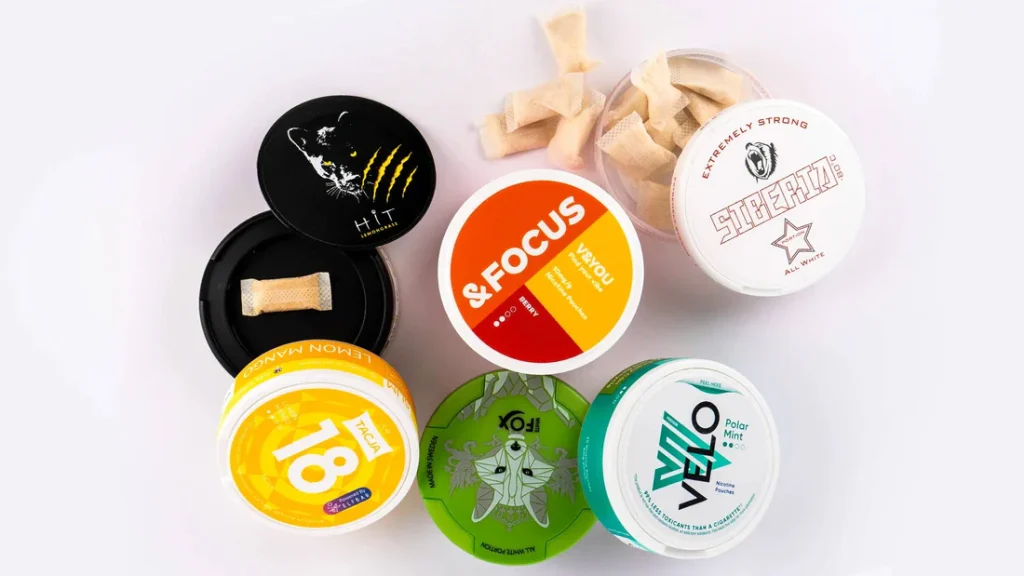
Nicotine pouches are small, discreet pouches filled with nicotine, flavoring, and other ingredients, but without tobacco. Unlike traditional smokeless tobacco products like snus, nicotine pouches do not contain any tobacco leaves or stems. Instead, the nicotine is derived from tobacco plants, but the leaves and stems are removed during the manufacturing process.

Nicotine pouches are designed to be placed under the lip, where they release nicotine into the bloodstream through the gum and mucous membranes. This process provides the user with a nicotine hit similar to that of smoking or vaping, but without the need to light up or inhale any vapor. They are a convenient, odorless, and smoke-free way to enjoy nicotine.

How Do Nicotine Pouches Work?

Nicotine pouches work by releasing nicotine when the pouch comes in contact with the moisture in your mouth. The pouch slowly releases nicotine over time, which is absorbed through the lining of your mouth. This process typically takes between 20 minutes to an hour, depending on the pouch and the user’s preference.

Since nicotine pouches do not involve inhaling smoke or vapor, they provide a discrete alternative for those who need a quick nicotine fix. This makes them especially appealing for people who are trying to quit smoking or are looking for an easier and less disruptive way to consume nicotine.

Why Are Nicotine Pouches Gaining Popularity?

1. Discreet and Convenient

Nicotine pouches are incredibly discreet. They are small, portable, and can be used without drawing attention, making them ideal for situations where smoking or vaping is not allowed or convenient. Whether you’re at work, in a meeting, or traveling, nicotine pouches can be used almost anywhere without the need for a lighter or any special equipment.

Since they don’t produce smoke, vapor, or odors, nicotine pouches are less likely to disturb others around you. This makes them an ideal option for those who need a quick nicotine fix without bothering those around them.

2. Smoke-Free and Tobacco-Free

One of the biggest advantages of nicotine pouches is that they provide nicotine without the harmful effects of smoking or vaping. Unlike traditional cigarettes, which release toxic chemicals into the air, nicotine pouches do not produce smoke or vapor. This makes them a cleaner and more socially acceptable alternative for those who still want to enjoy nicotine.

Additionally, nicotine pouches do not contain tobacco leaves, which means they avoid some of the harmful chemicals found in tobacco products. As a result, they are often considered less harmful than traditional smoking, though nicotine itself is still an addictive substance.

3. Variety of Flavors

Nicotine pouches come in a wide range of flavors, offering something for everyone. Whether you prefer fruity, minty, or even spicy flavors, there are nicotine pouches available to suit every taste. Popular flavors include mint, menthol, berry, citrus, coffee, and vanilla, among others.

This variety of flavors makes nicotine pouches more enjoyable to use compared to traditional smoking or even vaping, where options may be limited. The ability to experiment with different flavors allows users to find their perfect match.

4. Healthier Alternative to Smoking and Vaping

While nicotine itself is addictive, nicotine pouches are considered a less harmful alternative to smoking and vaping because they do not involve inhaling harmful smoke or vapor. Smoking is associated with serious health risks, including lung cancer, respiratory diseases, and heart disease. Vaping, although less harmful than smoking, still poses health risks due to the chemicals in e-liquids.

Nicotine pouches, on the other hand, offer a way to consume nicotine without these harmful effects. They do not contain the harmful tar and toxins produced by burning tobacco, making them a healthier alternative for those looking to quit smoking.

How to Use Nicotine Pouches

Step-by-Step Guide

  1. Choose the Right Nicotine Pouch: Nicotine pouches come in different strengths and flavors. Beginners may want to start with a lower nicotine strength (e.g., 2-4 mg) and work their way up if needed. More experienced users can opt for higher strengths (e.g., 6-12 mg).

  2. Place the Pouch Under Your Lip: Once you’ve selected your nicotine pouch, place it under your upper or lower lip, depending on your preference. You can choose either side of your mouth for comfort.

  3. Wait for the Nicotine to Release: After placing the pouch, you should start to feel the effects of nicotine within a few minutes. The pouch will gradually release nicotine into your bloodstream, which you can feel as a mild buzz or increased alertness.

  4. Remove the Pouch After Use: Depending on the nicotine strength, the effects may last anywhere from 20 minutes to an hour. Once you’ve had enough, remove the pouch and dispose of it responsibly.

  5. Repeat as Needed: Nicotine pouches can be used multiple times throughout the day, but it’s important to avoid excessive use to prevent nicotine overload.

The Different Types of Nicotine Pouches

1. Regular Nicotine Pouches

These are the most common type of nicotine pouch, containing a standard amount of nicotine. They come in a variety of flavors and strengths and are perfect for users who want a simple, convenient, and discreet way to consume nicotine.

2. Slim Nicotine Pouches

Slim nicotine pouches are smaller and more discreet than regular pouches. They fit comfortably under your lip without being too noticeable, making them a great choice for users who prefer a more subtle experience. Slim pouches often come in the same range of flavors and nicotine strengths as regular pouches.

3. Extra Strong Nicotine Pouches

For those who are looking for a more intense nicotine experience, extra strong nicotine pouches are available. These pouches contain a higher nicotine concentration, providing a stronger buzz and a quicker effect. Extra strong pouches are typically favored by more experienced users or those who are trying to curb cravings quickly.

4. Nicotine Pouches with CBD

Some nicotine pouches combine nicotine with CBD (cannabidiol) for a more relaxing experience. These pouches offer the stimulating effects of nicotine along with the calming effects of CBD, making them ideal for users who want to reduce stress while still getting their nicotine fix.

Nicotine Pouch Strengths: How to Choose the Right One

Understanding Nicotine Strengths

Nicotine pouches come in a range of strengths, typically measured in milligrams (mg). The most common strengths are 2 mg, 4 mg, 6 mg, and 12 mg, but some brands offer even higher strengths. Choosing the right nicotine strength depends on your current nicotine tolerance and whether you’re trying to quit smoking.

  • 2-4 mg: Ideal for beginners or those who consume nicotine in small amounts.

  • 6 mg: Suitable for those who have experience with nicotine and are looking for a moderate effect.

  • 12 mg and higher: Recommended for heavier smokers or individuals with a higher nicotine tolerance.

If you’re new to nicotine pouches, it’s best to start with a lower strength and gradually work your way up if necessary. Over time, you may be able to reduce the strength as you decrease your nicotine consumption.

Are Nicotine Pouches Safe?

Health Considerations

Nicotine pouches are generally considered a safer alternative to smoking because they don’t involve inhaling harmful chemicals, tar, or smoke. However, nicotine is still an addictive substance, and excessive use can lead to dependence. It’s important to use nicotine pouches responsibly and avoid overuse.

Although nicotine pouches are less harmful than smoking or vaping, they are not entirely risk-free. Long-term use of nicotine can still lead to health issues such as increased heart rate, high blood pressure, and potential addiction. As with any nicotine product, moderation is key.

Environmental Impact

Nicotine pouches are small, and they don’t produce the same kind of waste as cigarette butts or vape cartridges. However, it’s still important to dispose of them responsibly. Many brands are working on more sustainable packaging and pouch materials, but it’s essential for users to recycle or dispose of their pouches in a responsible manner.

Conclusion

Why Choose Nicotine Pouches in 2025?

Nicotine pouches have emerged as one of the most convenient, discreet, and health-conscious ways to consume nicotine. With their portability, variety of flavors, and smoke-free nature, they offer a compelling alternative to smoking and vaping. Whether you’re a smoker trying to quit or just looking for a new way to enjoy nicotine, nicotine pouches offer an excellent solution.

As nicotine pouch products evolve in 2025, they continue to offer greater convenience, better flavors, and more control over nicotine consumption. With responsible use and mindful choices, nicotine pouches can be an effective and enjoyable addition to your lifestyle.


These days, staying hydrated is more than just remembering to drink water. Shelves are lined with hydrating drinks, each claiming to boost recovery, energy, and focus. At the same time, influencers promote every kind of hydration supplement imaginable—from electrolyte powders to tablets that fizz dramatically in a bottle of water. But not everything marketed as “hydration” lives up to its promise. Some of the most common beliefs about these products are simply outdated or misunderstood.

Myth 1: Hydration Supplements Are Only for Athletes

It’s easy to assume that hydration supplements belong only in gym bags or marathon kits. Yet, anyone who spends a long day under the sun or works in an air-conditioned office for hours can experience dehydration too. Even mild fluid loss can leave you feeling sluggish or foggy. Hydrating drinks aren’t about pushing athletic performance; they’re about maintaining balance. Whether you’re sitting through back-to-back meetings or walking home after work, your body still needs to replace the water and minerals it loses through daily activity and humidity.

Myth 2: All Hydrating Drinks Are the Same

Walk through any supermarket and you’ll see countless bottles labelled as “hydrating” or “electrolyte-rich.” But not all of them do the same job. Some are formulated with sodium, potassium, and magnesium to support fluid absorption, while others are little more than flavoured water. A few hydration supplements include carbohydrates for endurance sports, which may be unnecessary for someone with a sedentary lifestyle. The smarter move? Always read the label. A good product should list its electrolyte content clearly and keep sugar levels modest. Hydration is not one-size-fits-all—it depends on your activity level, diet, and environment.

Myth 3: Drinking More Water Makes Hydration Supplements Pointless

Water is essential, but it doesn’t always do the complete job. Once you sweat, you lose more than just fluid; you also lose minerals your body needs to function properly. Drinking excessive amounts of plain water without replenishing electrolytes can sometimes cause an imbalance called hyponatremia, where sodium levels drop too low. A hydration supplement helps the body hold onto water more efficiently and replace what’s lost through heat or exertion. It’s not about choosing between water and supplements; it’s about knowing when each one is most effective.

Myth 4: Hydration Supplements Are Automatically Safe for Everyone

The word “supplement” often sounds harmless, but that’s not always the case. Some hydration supplements contain high levels of sodium, caffeine, or artificial flavours—ingredients that might not suit individuals with high blood pressure, kidney conditions, or caffeine sensitivity. Children, pregnant women, and older adults may need gentler formulations with fewer additives. It’s worth reading ingredient lists carefully or consulting a healthcare professional before making hydration a daily ritual. Just because a drink claims to “replenish faster” doesn’t mean it’s right for every body type.

Myth 5: You Can Replace Meals with Hydrating Drinks

It’s tempting to treat a bottle of hydrating drink as a quick fix—a way to skip a meal or recover from a long day. But hydration products are not meal replacements. They don’t provide the protein, fibre, or essential nutrients your body relies on for energy and recovery. Some formulations include trace carbohydrates, but these are designed to complement meals, not substitute them. The role of a hydration supplement is simple: to help your body absorb and retain fluids effectively. The rest still depends on eating well and getting enough rest.

Conclusion

Hydration doesn’t need to be complicated, yet it’s often clouded by misconceptions and marketing noise. Hydrating drinks and hydration supplements can be practical tools, but only when used with awareness. They’re not magic solutions or performance shortcuts. Think of them as part of a broader routine that includes balanced meals, adequate sleep, and sensible water intake. Staying hydrated is less about following trends and more about listening to what your body actually needs.

Contact True Hydration and let us help you improve your daily hydration without falling for marketing gimmicks.

Clear skin depends on how well you understand its natural state and the approaches you select for care. Every individual has a unique surface that responds differently to products and surroundings. It is essential to observe small changes that appear with time because each detail guides you to better protection and repair. Learning how your skin behaves helps you choose suitable steps that support lasting balance and strength. To find the most suitable approach, expert dermatology services in southlake can help with trusted guidance.

Understanding Skin Differences

Each person’s skin behaves inversely depending on its texture and sensitivity. Some have dry or flaky skin that needs more moistness, while others may face excess oil that needs balance. By identifying the exact type, you can avoid severe choices that damage the surface. Dermatology professionals can study your natural features closely and suggest care that keeps your skin calm and smooth.

Identifying Common Concerns

  • Skin changes often arise from stress, weather shifts or imbalances in habits. Dry patches, uneven tone, and visible marks may appear due to these factors. Recognizing these early signs prevents larger concerns from forming later. Many skin conditions can be eased through gentle care once the reason behind them is known.
  • Dermatology focuses on reading these signs before they turn into deeper concerns. A well-planned method strengthens the surface layer while keeping the tone clear. Careful observation every week can highlight whether your skin is improving or reacting.

Building Daily Care Steps

Strong skin is built through regular consideration rather than sudden variations. Maintaining a soft cleanser, light cream, and sun guard supports create an even surface. Rest plays an equal role since proper sleep restores natural glow. Combining these habits results in lasting wellness that keeps your skin looking bright and clear.

Inside dermatology care, expert dermatology services in southlake help you identify safe ingredients that maintain stability. Gentle products free from strong chemicals suit sensitive types best. Applying products at suitable times keeps the layers nourished and steady. Routine care based on expert advice reduces the chance of irritation or dryness.

Consulting Trained Specialists

  • Sometimes, self-care may not solve persistent skin issues. That is when guidance from dermatology experts becomes vital. They can detect changes that may not be easily visible and provide safe, suitable solutions. This approach ensures that your care is well balanced and monitored regularly.
  • Trained professionals use tested methods that align with your personal condition. They study how your skin reacts to different elements before recommending products. This professional insight prevents mistakes that can cause long-term irritation.

Strong skin prospers when given attention that matches its individual requirements. Understanding your unique condition is the first step to lasting improvement. The right methods chosen carefully can bring visible clarity while protecting against damage. Regular habits combined with guidance from experts form a steady path to stronger, smoother skin.

FAQs

How often should skin be checked by professionals?

Every few months is suitable to keep your skin progress monitored carefully.

What daily habit helps maintain smoother surface texture?

Consistent cleansing and gentle hydration maintain the natural surface texture.

Summer brings sunshine, long days, and endless chances to enjoy the outdoors. However, the heat and outdoor activities also bring a few risks. To make your summer safe, healthy, and enjoyable, follow these ten simple tips.

1. Practice food safety at picnics and barbecues

Warm temperatures can cause food to spoil quickly, increasing the risk of foodborne illness. ways to stay healthy this summer include keeping perishables chilled in an insulated cooler with ice packs, and never leaving them in the sun for more than two hours. Wash your hands often, use separate cutting boards for raw meat and vegetables, and always cook meat thoroughly. Clean grill grates before use to prevent contamination.

2. Handle fireworks safely

Fireworks may be fun, but they’re also dangerous. Only adults should handle them, and children must watch from a safe distance. Light fireworks one at a time, and always have water or a fire extinguisher ready. Never relight a dud, and keep fireworks away from people, pets, cars, and buildings.

3. Stay hydrated and get enough rest

Heat can quickly drain your energy. Drink plenty of water or unsweetened drinks, and consider electrolyte beverages if you’re active outdoors. Learn the warning signs of heat-related illnesses: dizziness, fatigue, or excessive sweating may signal heat exhaustion. If someone shows confusion or faints, call emergency services immediately, as it could be heatstroke.

4. Eat fresh seasonal produce

Summer offers an abundance of fruits and vegetables that keep you energised and hydrated. Include watermelons, berries, peaches, tomatoes, corn, and cucumbers in your diet. Buying local produce or visiting a farmer’s market ensures freshness and supports your immune system naturally.

5. Keep moving

Take advantage of the warm weather to stay active. Go cycling, swimming, hiking, or simply take daily walks. Adults should aim for at least 150 minutes of moderate exercise weekly, while kids need an hour of activity every day. Include strength-building exercises like push-ups or light weight training a few times a week.

6. Protect your skin

Prolonged sun exposure can damage your skin. Apply sunscreen with SPF 15 or higher, reapplying every two hours. Wear wide-brimmed hats, sunglasses, and seek shade whenever possible to prevent sunburn and long-term skin issues.

7. Stay alert to summer risks

Outdoor fun can come with hazards like swimming accidents or biking injuries. Teach children basic safety habits: never swim alone, wear helmets, and stick to marked paths during hikes or rides.

8. Guard against bugs

Mosquitoes and other insects are common in summer. Use repellents and apply them in well-ventilated spaces. Seek medical attention if a bite causes swelling, redness, fever, or pain, especially if you’re allergic.

9. Prevent illness

Stay healthy by washing hands frequently, drinking plenty of fluids, and checking for ticks after spending time in wooded areas. Avoid crowded spaces when unwell to prevent spreading infections.

10. Keep up with health check-ups

Even during vacations, don’t neglect medical appointments. Schedule your regular check-ups and check on elderly relatives or neighbours who might struggle with the heat.

Enjoy summer wisely, stay safe, hydrated, and active while making the most of the sunshine!

Understanding Alcohol Use Disorder

Alcohol Use Disorder (AUD) is a medical condition characterized by an inability to control alcohol consumption despite negative consequences. It affects millions of individuals worldwide and can lead to physical, emotional, and social problems. Recognizing the signs of AUD is the first step toward recovery. These signs may include frequent cravings, unsuccessful attempts to cut down drinking, and neglecting responsibilities due to alcohol use.

The Importance of Detoxification

Detoxification is often the initial phase in treating alcohol addiction. It involves the process of allowing the body to rid itself of alcohol while managing withdrawal symptoms. Medical supervision during detox is crucial, as withdrawal can lead to serious health complications. Healthcare professionals can provide medications and support to ease symptoms and ensure safety during this period.

Treatment Options in Houston

For individuals seeking help in Houston, various treatment programs are available. Houston drug rehab centers offer a range of services, including inpatient and outpatient programs, therapy sessions, and support groups. These programs are designed to address the unique needs of each individual, providing personalized care to promote long-term recovery.

Support Systems in Dallas

Similarly, Dallas Drug Rehab facilities provide comprehensive treatment options for those struggling with alcohol addiction. These centers offer evidence-based therapies, medical support, and aftercare services to help individuals maintain sobriety and rebuild their lives. Support systems in Dallas emphasize the importance of community and peer support in the recovery process.

The Role of Therapy in Recovery

Therapy plays a vital role in overcoming alcohol addiction. Cognitive Behavioral Therapy (CBT), Dialectical Behavior Therapy (DBT), and other therapeutic approaches help individuals understand the underlying causes of their addiction, develop coping strategies, and change harmful behaviors. Therapy sessions can be conducted individually or in groups, depending on the treatment plan.

Aftercare and Long-Term Support

Recovery from alcohol addiction is an ongoing process. After completing a treatment program, individuals are encouraged to participate in aftercare services, which may include ongoing therapy, support groups, and regular check-ins with healthcare providers. These services help individuals maintain their sobriety, address any challenges that arise, and continue their journey toward a healthier life.

Conclusion

Overcoming alcohol addiction requires a comprehensive approach that includes detoxification, therapy, support systems, and aftercare services. Whether in Houston or Dallas, numerous resources are available to help individuals take the first step toward recovery. Seeking help is a courageous decision, and with the right support, lasting sobriety is achievable.

Growing a healthier partnership begins with learning new ways to speak and listen. Many couples stay stuck in repeating patterns that cause hurt and distance. Counseling gives a structured space where both people feel safe to share. It teaches tools that replace blame with curiosity. Small changes in tone and timing often lead to deeper understanding. With guided practice partners learn to repair before small problems grow. Patience and focus help rebuild trust and encourage honest daily connection. Over time communication becomes clearer more respectful more kind. Good guidance empowers partners to make lasting changes that improve daily life.

Immediate Shift

A quick reset can change how conversations start. Seeking professional help through District Counseling in Austin, TX helps partners break cycles early. A skilled guide shows how to open gently how to pause when emotions rise and how to bring focus back to the issue. Learning this skill reduces reactive replies. Couples often report less conflict within weeks. Daily practice of a short reset strengthens the habit. Over time gentle openings become natural and reduce the chance that small disagreements will grow.

Quick Actions

Start with a short paragraph that explains why prompt steps matter then read the list below.

  • Use a breathing pause to collect thoughts before answering in tense moments.
  • Name a feeling clearly to show honesty without placing blame on the partner.
  • Ask a short clarifying question to avoid assumptions about intent or meaning.
  • Offer one small change that you can try today to test new ways of talking.
  • Applaud effort when your partner tries a new habit to encourage more practice.
  • Choose a neutral time to revisit a tough topic with calm focused attention.

Shared Goals

Counseling helps partners find shared aims that support teamwork. When goals are clear each person can choose actions that support those aims. Therapists help couples to articulate what they need from the relationship in simple phrases. This step reduces mismatched expectations that often fuel arguments. Shared goals additionally make it less complicated to compromise due to the fact that each people work in the direction of the same final results. Regular check ins give a boost to development whilst maintaining priorities seen. Over months small wins build momentum that reshapes daily habits into supportive routines.


Listening Skills

First write a short paragraph that frames the value of active listening before viewing the bullets below.

  • Give full attention during talks to show respect and value for the other person.
  • Reflect back what you heard to confirm pacing meaning and any missing details.
  • Use brief prompts to invite more sharing without steering the other person.
  • Avoid quick fixes or advice unless the partner asks for a solution in that moment.
  • Monitor your body signals to remain open rather than closed or defensive.
  • Practice daily short check ins to strengthen listening without creating pressure.

Tools Practice

Therapists offer concrete tools that replace harmful patterns with helpful ones. Techniques often include structured turns for speaking clear phrases that reduce blame. Visual cues help partners remember to pause or to slow the tone. Role play exercises let people try new words in a safe setting. Homework tasks fit into daily life so the couple can practice without added stress. Repetition builds skill which then supports calmer everyday conversations. With steady work these tools move from exercises to habits that shape kinder routine talks.

Emotion Words

Counseling encourages accurate emotional language which helps deescalate fights. Saying a single feeling word can replace long lists of accusations. Naming hurt rather than attacking character narrows the conflict to a solvable problem. Therapists teach how to hold feelings without using them as weapons. Over time partners learn to accept each other feelings without needing to fix them instantly. This acceptance leads to safer talks which in turn create more chances for repair and connection.


Safe Space

Begin with a small paragraph that introduces the need for safety before the following points.

  • Agree on clear boundaries that keep talks respectful when tensions rise in a conversation.
  • Create a brief time out plan to pause talks until both people can return calmly.
  • Use agreed signals to show when a topic feels overwhelming and needs slower pacing.
  • Commit to no name calling or public shaming during disagreements to protect dignity.
  • Revisit ground rules often to ensure they still serve both partners as needs shift.
  • Keep a short journal of repairs to remind both people of progress


Renewed Connection

Many couples who follow clear steps report stronger ties and calmer talks over months of practice. Guided help encourages honest sharing while teaching repair skills that reduce tension. Seeking support through District Counseling in Austin, TX provides focused sessions where new habits are taught and practiced. Daily short routines help make gentle responses the usual pattern. Learning to pause to notice feelings then respond with curiosity strengthens trust. Simple rituals of checking in create safety. With steady attention partners learn to solve small issues before they widen into bigger fights. This path grows kinder steady daily connection now today onward.

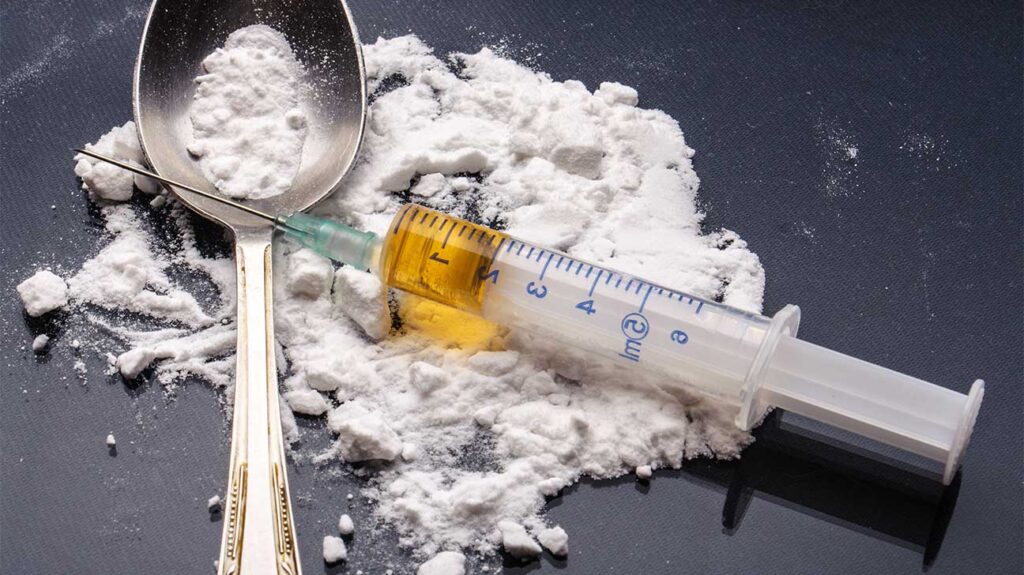
Heroin is a potent opioid derived from morphine. Once it enters the body, it acts quickly, binding to opioid receptors, dulling pain, and producing intense euphoria. Over time, repeated use changes brain chemistry—people may find they need heroin just to feel “normal,” not just to chase a high. Heroin use also carries high risk of overdose, especially when purity is unknown or it’s mixed with other substances.

Addiction vs. Abuse vs. Dependence

Using heroin once or occasionally may be considered abuse, but addiction implies a deeper pattern: craving, loss of control, and continued use despite negative consequences. Dependence adds a physical dimension—when someone’s body has adapted so that without heroin, withdrawal symptoms occur. Many individuals transition from abusing pills or prescription opioids to heroin when prescriptions run out or become too costly.

Recognizing the Warning Signs

There are both physical and behavioral clues. Physically, irregular pupils, sudden weight changes, needle marks, sleep problems, or “flu-like” symptoms after missing doses. Behaviorally, people may isolate themselves, change friend groups, lie about their usage, neglect responsibilities, or show defensiveness or secrecy.

The Physical & Emotional Toll

Short-term effects include a rush of euphoria, dry mouth, slowed breathing or heart rate, and nausea. But long-term heroin use can lead to many serious health problems: collapsed veins, infections, hepatitis or HIV (especially with needle sharing), liver or kidney disease, heart infections, and harm to mental health such as anxiety, depression, or loss of motivation. The stakes are high.

Who Is More At Risk

Risk is higher when someone has used prescription opioids, when there’s mental health issues, trauma, or when one lives in a setting where drug use is common. Genetics, environment, and easy access to opioids all contribute. People with unstable housing or low social support are also more vulnerable.

How Heroin Use Disorder Is Diagnosed

Diagnosis typically begins with a medical and psychological assessment. Health professionals ask about patterns of use, past attempts to quit, mental health history, and any co-occurring disorders. Lab tests (urine or blood) may be used, but self-reporting and clinical interviews are central to understanding severity, triggers, and health impacts.

Treatment Options: Detox, Rehab, and Aftercare

Recovery begins with detoxification under medical supervision to safely manage withdrawal symptoms. Medication-Assisted Treatment (MAT) using methadone, buprenorphine, or naltrexone is often employed to reduce cravings and help stabilize the patient. Behavior therapies—individual, group, family—are used to tackle emotional, psychological, and behavioral dimensions of addiction. Rehab programs can be inpatient (more structured, immersive) or outpatient (more flexible, but still rigorous). Aftercare and community support help maintain progress, reduce relapse risk, and rebuild life skills.

Sober Living, Support Groups & Lifestyle Changes

Post-treatment support is vital. Sober living arrangements, peer groups like Heroin Anonymous, or Narcotics Anonymous, and ongoing counseling help with emotional processing, relapse prevention, and maintaining connections. Lifestyle adjustments—nutrition, safe housing, positive relationships, stable routines—reinforce the work done in formal treatment.

Why Treatment Duration Varies

Every recovery journey is unique. How long someone used heroin, whether there was concurrent use of other substances, co -existing mental health concerns, overall physical health, and social support all influence how long treatment takes. Some complete detox and inpatient rehab in a few weeks; others engage in months or even longer of outpatient care and aftercare. Persistence, patience, and a willingness to adapt are essential.

Local Rehab Options & Substance-Specific Care

If you’re looking for treatment nearby, a Dallas Drug Rehab center that specializes in heroin addiction may offer the advanced care needed: MAT, medical detox, therapy, aftercare support, sometimes telehealth. Having a center you can reach more easily often improves continuity of care.

When alcohol misuse also plays a role—whether past or present—a Dallas alcohol rehab program that handles both alcohol and opioid dependencies (or co-occurring substance misuse) typically gives better outcomes. Treatment that ignores alcohol when it coexists with heroin addiction can leave gaps in recovery.

Taking the First Step Toward Help

Recovery from heroin addiction is possible. If you or someone you care about is struggling, reaching out to a qualified treatment resource is the first move. Asking questions like: “Do you offer MAT?” “Is there aftercare?” “How do you handle dual diagnosis?” will help you choose the best program. You don’t have to do this alone—help is out there, and healing is possible one day at a time.

When they fail to get or retain an erection, many males feel awful. It happens more often than people realize due to worry, health issues, or aging. Kamagra helps some men with this issue. Due of its lower price than Viagra, many acquire it online. You should know some vital things before doing it. Kamagra is potent and might make you feel better soon, so use it carefully. We shall discuss Kamagra, its benefits, how to take it, and adverse effects.

What is Kamagra

Kamagra helps erectile dysfunction sufferers attain and hold erections. Viagra and this medicine include sildenafil citrate, which improves penile blood flow. Blood flows more freely in bed, making erections simpler. Indians create Kamagra tablets, chewing pills, and jelly.

The US and Europe don’t allow Kamagra sales, despite its popularity. Not always confident of its quality or safety. Some websites selling fakes or inferior copies are risky. So be careful when buying it.

How Does Kamagra Work

Men who use Kamagra have looser blood vessels. This aids penis blood flow while stimulated. It helps you obtain and retain a sex-worthy erection. It works when you’re in the appropriate attitude; it doesn’t thrill you. It usually works 30–60 minutes after taking it and lasts 4–6 hours.

Kamagra blocks an enzyme that reduces blood flow. Blocking the enzyme keeps blood in the penis when needed. Kamagra does not cure. It temporarily fixes the issue but doesn’t repair it. Instead of daily usage, use it when needed.

Information Before Using Kamagra

Consult a nurse or doctor before using Kamagra. Although simple to purchase online, this substance is incredibly potent and can harm your health. People with heart, low blood pressure, stomach, or other long term health difficulties should be cautious. Even with sildenafil, Kamagra may not work for everyone. This is especially true if you take nitrates or blood pressure medications.

Alcohol and heavy meals can also reduce Kamagra’s effects. High-fat or heavy diet may slow down work. Too much alcohol might worsen adverse effects. Take Kamagra on an empty stomach and be relaxed for optimal effects. If you’re fatigued, worried, or smoke, the drug may work less.

How to Use Kamagra

 Kamagra comes as tablets, jelly, or chewables. Many take one dosage an hour before bed. Avoid eating a substantial meal before taking it and drink water. Don’t take more than one tablet 24/7. Taking too much can be dangerous.

Follow the Kamagra package instructions. There are varying dosages since vendors offer it in different formats. A confusing sign or odd packaging should prevent usage. Better to wait or see a doctor than to take anything unsafe. Use it only when necessary after waiting.

Possible Kamagra Side Effects

Side effects might occur if you use kamagra oral jelly pack without consulting your doctor or in the inappropriate amount. Low-grade headaches, red skin, stuffy noses, and stomachaches may occur. These symptoms might not persist long, yet they are annoying. Getting up quickly or being sensitive to changes in blood pressure might make you feel dizzy or see things clearly.

Rarely, chest discomfort, loss of breath, or a four-hour erection occur. These medical concerns require immediate treatment. Certain components in Kamagra may cause allergies. If you develop difficulty in breathing, or swelling in your face and neck, stop taking it immediately. Pay attention to your body while trying a new medicine.

Conclusion

Kamagra helps treat sexual dysfunction, but it’s not a cure-all. It works like Viagra, however not all locations allow it, so be careful while buying it. Check its safety and utilize it properly.

Talk to a doctor and get kamagra oral jelly pack from a trusted supplier before trying it. Health and safety trump fast fixes. Take Kamagra as advised to boost your bedroom confidence, but use it wisely.

Many people have heard about hemp-derived Delta-9 (D9) THC gummies and have an interest in the product. However, before heading to your nearest CBD shop, consumers want to know clear and credible information about the products. This article will explore what federal law has to say about the product, how safety is determined, and how state laws can affect the ability to consume D9 gummies. The purpose of the article is to assist diligent consumers with an understanding of the practical landscape around cannabis edibles.

Understanding the 2018 Farm Bill

The 2018 farm bill removed “hemp” from the federal Controlled Substances Act and defined it with a threshold hard limit: cannabis and its derivatives that had a maximum of 0.3% Delta-9 THC by dry weight. This definition created a pathway for hemp-derived products (including gummies) to be marketed legally at the federal level. Also, states were able to create stricter standards.

Before we move on, it is helpful to keep a few things in mind:

  • Hemp = cannabis that contains 0.3% Delta-9 THC by dry weight or less; the presence of anything above that threshold is defined in federal law as marijuana. 
  • Federal legality does not guarantee state legality; intoxicating hemp products can be regulated or banned by the states.
  • Compliance is product specific; compliance determined by some labels, testing, packaging and products will apply.

Are Hemp-Derived D9 Gummies Federally Legal?

At the federal level, a D9 gummy would be lawful if the CA concentrations per piece and total package allowed it to meet the threshold of 0.3% dry weight and meet any applicable FDA and USDA regulations. However, federal agencies have flagged safety and marketing concerns and do not “approve” over-the-counter THC edibles. States can – and do – layer stricter limits, such as age gates, serving caps or bans on specific forms. 

Visit https://www.fda.gov/news-events/congressional-testimony/hemp-production-and-2018-farm-bill-07252019 to learn more.

Do D9 Gummies Show Up on Drug Tests?

Yes. Standard workplace or probation tests usually screen for THC metabolites (i.e. THC-COOH). Because hemp-derived D9 is chemically identical to marijuana-derived D9, it can generate a positive test result. The window of detection may differ based on use frequency, dose and individual factors; abstention is the only assured way to prevent a positive result. Those who are drug tested need to exercise caution, regardless of whether they are ingesting hemp-derived THC or not.

How Lab Testing Ensures Safety

Third-party lab testing is the primary consumer protection vehicle in the space. Reputable brands will offer a Certificate of Analysis (COA) for each batch so that consumers can assess potency and purity. COA’s are usually linked by QR codes on the packaging or found here on brands’ web pages.

When researchers review a COA, they focus on:

  • Potency accuracy: This checks for Delta-9 levels matching what is on the label and within legal limits and is important when microdosing and avoiding unintentional intoxication.
  • Contaminant screening: These lists pesticides, heavy metals, residual solvents and microbes related to supporting the safety of cannabis edibles.
  • Batch-specific & date: This demonstrates that the test reflects the specific lot purchased and is current.
  • Completeness of panel: Strong panels include other cannabinoids beyond D9 for understanding full-spectrum hemp and the entourage effect, etc.

States Where D9 Gummies May Be Restricted

Regulations vary tremendously and evolve frequently, but a few short examples illustrate the contrasts: Idaho requires retail products to contain zero THC, which effectively prohibits the sale of hemp-derived D9 gummies. 

California’s emergency rule prohibits hemp foods, beverages and dietary products with any detectable intoxicating cannabinoid and directs THC items to the licensed cannabis market. Alabama recently established a new framework that prohibits smokable hemp and limits potency for herbaceous hemp and consumable hemp (e.g. per serving and per package limits). Texas is unsettled, with ongoing discussion over bans versus stricter regulations. Before buying or traveling with hemp-derived THC, check current local policy. Read more on this page.

Bottom Line

Theoretically, hemp-derived D9 gummies can be federally legal; however, the ability to safely consume them depends on reputable, third-party testing and COA’s. Due to the differences in how state-level regulation works, we pretty much have all figured out that hemp truly is an umbrella term, and it seems effective to always be cautious and confirm local regulations and test reports prior to consumption.

Early detection of macular health problems allows timely intervention that can slow or prevent vision loss. The macula deteriorates gradually, often without noticeable symptoms in the initial stages, making regular monitoring essential for maintaining long-term visual health. Recognizing subtle changes in your central vision enables prompt action before irreversible damage occurs. Many people discover that preventive measures, including nutritional support based on macuhealth reviews and lifestyle modifications, can help preserve macular function when implemented early.

Subtle visual distortions

The earliest signs of macular decline often appear as minor visual distortions that may seem insignificant but indicate cellular changes within the retina. Straight lines appear slightly wavy or curved, particularly at grid patterns, doorframes, or printed text. These distortions typically affect central vision while peripheral vision remains normal. The changes may be intermittent initially, appearing more noticeable when you’re tired or in certain lighting conditions. These subtle shifts in visual perception warrant immediate evaluation by an eye care professional.

Central vision clarity reduction

Gradual loss of sharp central vision is another warning sign of macular health decline. You might notice increased difficulty reading small print, recognizing faces at normal distances, or performing detailed tasks that require acceptable visual discrimination. The vision loss typically occurs slowly over months or years, making it easy to attribute changes to normal ageing or eye strain. Colors may appear less vibrant, and contrast sensitivity often decreases, making it harder to distinguish between similar shades or see objects against backgrounds.

Dark spot development

The appearance of dark or grey spots in your central visual field indicates potential macular damage requiring immediate attention. These spots may start small and gradually expand or suddenly, depending on the underlying cause. The spots typically remain stationary in your visual field, moving with your eye movements and becoming more apparent against light backgrounds. Some people describe these visual obstructions as shadows or clouds that obscure portions of their central vision.

Light sensitivity changes

Increased sensitivity to bright lights or difficulty adjusting between different lighting conditions can signal macular health problems. You might experience discomfort in standard lighting that previously caused no issues, or require more time to adjust when moving between bright and dim environments. Night vision problems may develop, making it harder to see in low-light conditions or distinguish objects in shadowy areas. These changes often occur gradually and may be accompanied by increased glare from headlights or overhead lighting.

Reading difficulties

Changes in reading ability often provide early clues about macular health decline. You might need brighter lighting to read comfortably or hold books and newspapers at different distances to maintain focus. Words may appear blurred or distorted, particularly in the centre of your visual field. The effort required to read may increase, causing eye fatigue more quickly than before. Leaving these changes unaddressed can interfere with daily activities and quality of life.

These changes often develop slowly and may be more noticeable in certain lighting conditions or when looking at specific colour combinations. The alterations in colour perception can impact various daily activities, from cooking to driving. Early recognition of macular health warning signs enables timely intervention to preserve vision and slow disease progression. Regular eye examinations and prompt attention to visual changes maximize treatment effectiveness and long-term visual outcomes.