Category

Home

Category

Buddhist funerals combine tradition, respect, and symbolic acts. Each object and offering has meaning, serving both religious practice and the comfort of mourners. In Singapore, families often work with experienced providers of funeral services in Singapore to ensure that each ritual is carried out according to tradition.

From incense to fruit, these elements are more than decoration. They are part of a practice that connects the living with the departed and reflects Buddhist beliefs about compassion, impermanence, and merit-making.

The Role of Offerings in a Buddhist Funeral

Offerings are a central part of Buddhist funeral rituals. They are placed on the altar as a sign of respect and as a way to generate merit for the deceased. Common offerings include fruit, flowers, candles, and bowls of water. Each item has a symbolic meaning that relates to Buddhist teachings.

In many cases, families choose a buddhist funeral package in Singapore that includes these offerings as part of the arrangements. This ensures that they are prepared correctly and placed in the right order on the altar. The act of making offerings is also an opportunity for family members to participate directly in the ceremony, adding a personal dimension to the farewell.

Incense and Its Symbolism

Incense is one of the most recognisable elements in a Buddhist funeral. The rising smoke is seen as a way to carry prayers and thoughts toward the spiritual realm. It also helps create a calm atmosphere during chanting and meditation.

In Singapore, providers who offer a buddhist funeral package often prepare incense stands and supply the necessary materials. The use of incense is timed to coincide with specific parts of the service, marking transitions between prayers or rituals.

Flowers and Their Meaning

Flowers are a familiar feature at Buddhist funerals, representing the impermanence of life and serving as a reminder that beauty and all things change over time. Arrangements tend to be simple, with colours selected to convey peace and purity.

Funeral directors who provide funeral services in Singapore often collaborate with florists experienced in Buddhist traditions. This helps ensure floral displays complement the altar and maintain the respectful tone of the ceremony.

Water and Food Offerings

Water is placed on the altar to represent purity, clarity, and the wish for the deceased to have a smooth journey in the afterlife. Food offerings, often fruit, are also common. These are not intended for physical consumption but as a gesture of sharing and generosity.

A comprehensive buddhist funeral package often includes both water and food offerings, prepared in a way that aligns with temple traditions. Families can also add items that were meaningful to the deceased, provided they respect the guidelines of the officiating monks.

Candles and Light

Candles are used to represent wisdom and the light of understanding. Their gentle glow adds to the atmosphere of the funeral and complements the chanting of monks. In some traditions, candles are lit throughout the service, while in others they are lit only during specific prayers.

Funeral planners in Singapore ensure that candles are safely placed and monitored. This attention to detail allows the family to focus on the spiritual aspects of the service.

The Altar as a Focal Point

The altar is the centre of the Buddhist funeral space. It holds the offerings, photographs of the deceased, and sometimes a statue or image of the Buddha. The layout of the altar follows specific cultural and sectarian guidelines.

By selecting a well-organised buddhist funeral package in Singapore, families can be confident that the altar will be set up respectfully and correctly. This creates a focal point for prayers and rituals, helping guests to engage fully in the service.

Practical Benefits of Structured Arrangements

Working with a funeral provider experienced in Buddhist traditions offers practical benefits. It ensures that all necessary items are prepared, that rituals follow the correct sequence, and that the atmosphere of the ceremony is preserved.

These arrangements also help manage timing. Many Buddhist funerals involve multiple chanting sessions or merit-making activities, and having a clear schedule helps the day run smoothly.

Keeping the Focus on Meaning

Every object and offering in a Buddhist funeral serves a purpose. Whether it is the calm of incense, the symbolism of flowers, or the generosity expressed in food offerings, each part adds depth to the ceremony.

In Singapore, choosing a thoughtful funeral service or complete package helps families balance tradition with their own expressions of respect and remembrance. Contact Confidence Funeral Services to arrange respectful and well-prepared Buddhist funerals, with offerings and rituals included in a complete buddhist funeral package in Singapore.


Plastic surrounds every part of modern life. Each container carries a small triangle with a number inside it. Those numbers hold a key to a greener planet. They help identify the type of plastic used in packaging. Many people ignore them and throw everything into one bin. That habit hurts recycling programs. Understanding those symbols is the first step toward better waste choices. Every marked triangle speaks about a unique plastic form. Some of them are easy to recycle and some are not. Knowledge about those codes brings positive change in communities. A clear guide can help everyone act more responsibly.

The Meaning Behind the Symbols

The recycling triangle is a global language for materials. Each number represents a specific resin type. Every resin has a unique character and use. Certain bottles carry one symbol and some trays another. Waste sorting centers rely on those markings for efficiency. Knowing what stands behind every figure helps reduce confusion. It also prevents contamination of recyclable collections. Many households still mix different types. A proper understanding stops that problem at the source. The triangle on a milk jug or shampoo bottle has a message. Reading it correctly encourages sustainable daily habits for all.

How Recycling Facilities Use These Codes

Sorting lines in recycling plants move with speed. Workers and machines scan each triangle carefully. They separate plastics by number and quality. Clean batches create higher value materials. Mixed ones cause trouble for production systems. Each code points to a different melting temperature. Processing goes smoother when batches match perfectly. Facilities invest effort to maintain that order. A simple mistake can ruin a large load. Residents who rinse containers and check symbols help the flow. Awareness of these codes supports local recycling goals. Every clean sorted item strengthens a circular economy.

Which Plastics Can Be Recycled

Many people wonder which plastics can be recycled safely. Each resin reacts differently under heat and pressure. Some melt easily into reusable pellets again. Others degrade and lose structure fast. Local guidelines often decide what is accepted. Clean material always has higher success in recovery plants. Rinsing and drying containers supports smooth processing. Education helps families remember correct sorting habits. Consistent participation keeps recycling programs alive and strong. Awareness about suitable codes shapes a cleaner environment. Respect for these small markings leads toward bigger change. Every correct action preserves natural beauty for future generations.

Conclusion

Plastic codes may look simple but they carry power. The triangle guides waste away from landfills. Education builds confidence in everyday disposal habits. Clear understanding reduces contamination and saves energy. A few seconds of attention can protect natural systems. Society gains when citizens care about those hidden digits. Recycling starts with informed observation and thoughtful action. Each number inspires a responsible step toward sustainability.

It is never easy handling estate and inheritance issues. Families are typically splitting grief with the urgency of tending to financial and legal responsibilities. One of the most complicated is that estate and inheritance tax returns are filed properly. But without professional help, even minor errors can result in arguments, fines, or costly missed opportunities.

In suburbs like Cranbourne and Pakenham where property values are large tax accountants can play a very important role. They are specialists in protecting the brighter future, for well-being of their clients through all regulations.

The Importance of Estate and Inheritance Tax Returns

When an individual dies, there’s a possibility that they have property, investments, or superannuation — even business interests. Estate and inheritance tax returns may or may not be forced depending on the circumstances.

But there can be serious consequences for getting this wrong, such as:

  • Fines and penalties for false lodgment
  • Family disputes over asset distribution
  • Unnecessary erosion of inherited wealth

That’s why families seek help from experts who know how to deliver accurate tax returns for estate and inheritance tax compliance forms. Aside from that, you have a professional accountant who makes sure every income, capital gain, and deduction is reported accurately — helping families sidestep mistakes that can end up being quite costly.

Things Your Client Knows (Or Should Know) About Tax

From the estate administration as to listing assets, some common challenges include:

  • Valuing Assets Properly: Properties, stock, and other businesses need to be valued accurately.
  • Capital Gains Tax (CGT): Disposing of or selling assets can result in a CGT event.
  • Superannuation Death Benefits: Whether these are taxable depends on who receives them.
  • Complex Estate Structures: Trusts, companies, or partnerships can make things more difficult.

These problems are too complicated for you to tackle without professional intervention.

Tax Accountants in Estate Administration

Qualified accountants can provide technical expertise as well as methods for managing the estate. Their role includes:

  • Accurate bookkeeping: Collect and record all financial information.
  • Avoiding tax technique: Using exemptions, deductions, and timing to avoid liabilities.
  • Hotel estate returns: Making sure everything is in and all correct for the deadline.
  • Mediation: Giving objective opinions to avoid or solve disputes.

In other words, tax accountants simplifying estate tax returns to preserve wealth protect families at a time of loss.

Benefits of Professional Guidance

Accessing through qualified professionals, families will receive:

  • Decreased stress when it comes to emotional stressors
  • Compliance with all ATO requirements
  • And the best population growth net wealth retention with a little extra planning.

Current ideas for how the recipients would be able to cope honestly with their fortunes.

Why Local Expertise Matters

When it comes to the kind of local knowledge only tax accountants in Pakenham could offer, no one does better than our in-home preparation for tax returns for Cranbourne families looking for certain service. Local professionals know the local real estate market, business types, and community needs. They are also more available for face-to-face help, which can be comforting in the most delicate situations. With local knowledge, they will be acquainted with regional tax implications so that advice to clients is more accurate and applicable. They can also refer families to other reputable local professionals (solicitors, financial planners) to make the process as painless and transparent as possible. Above all else the presence of somebody close by promotes trust and confidence — an essential factor in financial transactions.

Final Thoughts

Tax returns and wills are much too complicated to experiment around by oneself. The potential for mistakes, fines, and loss of money is just too great. Good estate accountants offer so much more than paperwork — they protect wealth, alleviate stress, and provide for fair distribution of assets. With the support of tax returns in Cranbourne and Pakenham, your family will have peace of mind that their estate is in professional hands. It also helps beneficiaries understand the far-off tax ramifications of inherited assets. Under professional supervision, families can concentrate on honoring their loved one’s legacy rather than financial challenges.

Keeping your apartment safe can seem like a big challenge. One fact to note is that there are several effective tips and devices available for renters wanting to enhance their door security.

This guide will show you how to fortify your apartment’s entryway using simple yet powerful strategies and the latest security gadgets. Get ready to secure your space!

Key Takeaways

  • Communicating with neighbors helps keep an eye out for suspicious activity and can make your apartment safer.
  • Checking the quality of your door and lock, including investing in a sturdy deadbolt or smart lock, is critical to prevent break-ins.
  • Adding a door security bar can offer extra protection against forced entry without needing permanent changes to your rental.
  • Using rental-friendly devices like door reinforcement locks, portable alarms, WiFi alarm systems, and smart video doorbells enhances security.
  • Regular updates and maintenance of your apartment’s security features ensure ongoing safety.

Tips for Improving Apartment Door Security

Improve apartment door security by communicating with neighbors and checking the quality of your door and lock. Consider using a door security bar for added protection.

Communicate with neighbors

Talking to your neighbors can serve as an effective apartment security measure. By sharing information about suspicious activities or unfamiliar visitors, you create a network of vigilant individuals keen on maintaining the safety of their living space.

This collective effort in keeping an eye out enhances not only your personal security but also that of the entire community.

Establishing good relationships with those who live nearby can lead to faster responses in emergency situations. Neighbors can alert each other about potential security breaches or share updates via text messages, calls, or even social media groups dedicated to apartment safety.

Through this collaborative approach, renters take proactive steps towards creating a secure environment, leveraging the power of community vigilance without needing extensive locksmith services or advanced surveillance cameras.

Check door and lock quality

Ensure the apartment door and lock are of high quality, with a sturdy deadbolt, durable materials, and secure reinforcement. Look for well-reviewed locks that provide maximum protection against forced entry.

It’s important to invest in door hardware that meets security standards to safeguard your home effectively. Regularly inspecting and maintaining the condition of your door and lock can prevent potential security risks.

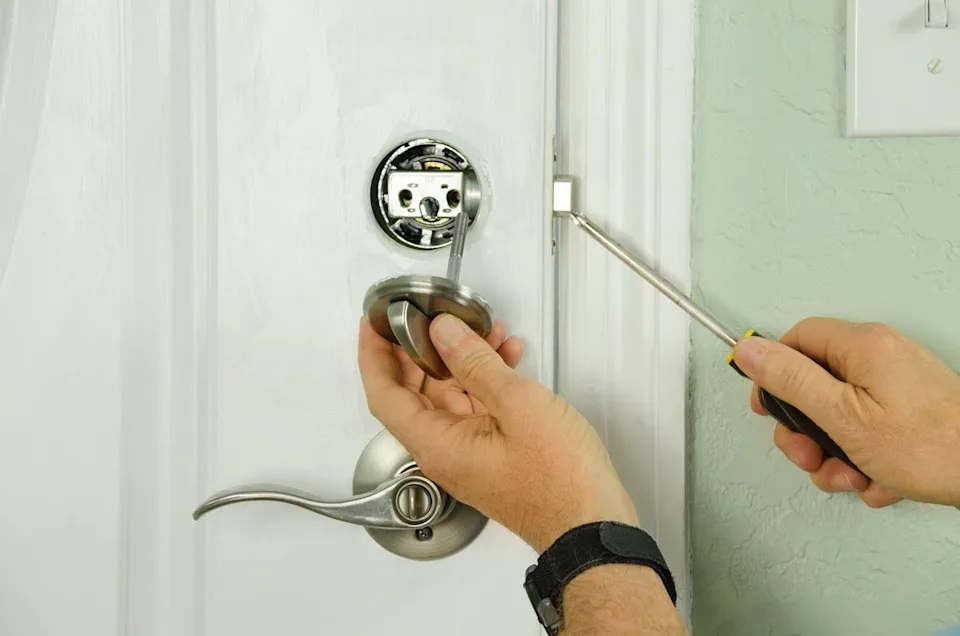
Consider opting for heavy-duty deadbolts or smart locks with additional features like keyless entry or remote access for added convenience and security. Installing a peephole or chain lock can also enhance your apartment’s security measures without compromising on style or functionality.

Choosing reliable door locks is crucial as they serve as the first line of defense against intruders, making it essential to select ones that offer exceptional strength and durability.

Remember to consult with your landlord before making any alterations to ensure compliance with the terms of your lease agreement while you strengthen your apartment’s security.

Use a door security bar

A door security bar is a simple yet effective way to reinforce the security of an apartment door. These adjustable bars are placed at the base of inward-swinging doors, providing an additional layer of protection against forced entry.

They work by bracing the door and preventing it from being opened, even if someone manages to bypass the primary lock. Door security bars offer renters a budget-friendly option for enhancing their home security without needing to make permanent alterations to the property.

With their ease of use and quick setup, these devices are an essential addition to any renter’s security arsenal.

By incorporating a door security bar into their apartment security measures, renters can significantly increase their peace of mind and protect themselves from potential break-ins or intrusions.

These portable and versatile devices provide an added sense of safety and stability in any rental situation, making them a valuable choice for bolstering home security.

Rental-Friendly Security Devices

Explore rental-friendly security devices to enhance apartment door security. Consider options such as door reinforcement locks, portable alarms, WiFi door alarm systems, and smart video doorbells for effective protection.

Door reinforcement locks

Door reinforcement locks are an effective way to enhance apartment door security. These devices provide an additional layer of protection by reinforcing the strength and integrity of the door frame and lock area.

They are designed to withstand forced entry attempts, offering renters peace of mind about their home’s security. By installing door reinforcement locks, renters can significantly improve the overall resistance of their doors against break-ins and unauthorized access, adding an extra level of protection for inward-swinging doors.

Renters seeking enhanced home security should consider investing in door reinforcement locks as part of their comprehensive security measures. These devices play a crucial role in fortifying apartment doors against potential intruders, providing a cost-effective solution for bolstering entryway security without requiring extensive modifications or installations.

Portable door alarms

When it comes to enhancing apartment security, renters can consider using portable door alarms as a strategic defense measure. These compact devices emit a loud siren when triggered, alerting inhabitants and deterring intruders.

They are easy to install without the need for professional assistance, making them an ideal choice for renters looking for simple yet effective security solutions. Portable door alarms offer peace of mind and an added layer of protection against unauthorized access, complementing other security measures such as door reinforcement locks and smart video doorbells.

Renters seeking versatile home security options should explore portable door alarms as part of their overall strategy. These devices cater to the ever-evolving need for enhanced safety in rental properties by providing an affordable yet impactful solution.

With their user-friendly nature and ability to fortify inward-swinging doors, portable door alarms are essential components of a comprehensive apartment security plan.

WiFi door alarm systems

WiFi door alarm systems offer renters a convenient and effective way to bolster home security. These systems utilize existing WiFi networks to send instant alerts to smartphones or other devices when the door is opened.

With easy installation and remote access, renters can monitor their doors from anywhere. Some systems also come with additional features such as motion sensors, two-way audio, and integration with other smart home devices for added convenience and peace of mind.

When it comes to enhancing apartment door security, WiFi door alarm systems provide a modern solution that aligns with the needs of renters. By incorporating these advanced yet user-friendly devices into their security setup, renters can enjoy round-the-clock protection without the need for complex installations or extensive technical knowledge.

Security door jammers

Security door jammers are an effective tool for reinforcing apartment door security. These devices provide an additional layer of protection by preventing forced entry. Available in various designs, such as adjustable and portable options, they can be easily installed to prevent intruders from gaining access through inward-swinging doors.

Door jammers are a rental-friendly security option that enhances the overall safety of renters’ homes without requiring permanent alterations to the property.

When considering door security options, renters should prioritize investing in quality devices like door jammers to safeguard their living spaces effectively. With the right combination of security equipment, including door jamming devices, renters can take proactive steps towards ensuring their home safety and peace of mind.

Smart video doorbells

Smart video doorbells provide an added layer of security to renters’ homes. With features such as two-way audio and live video streaming, renters can monitor their apartment doors remotely.

Many smart video doorbells also offer motion detection and night vision capabilities, enhancing overall home security for renters. Additionally, some models allow for integration with other smart home devices, increasing the convenience and effectiveness of a renter’s security setup.

By incorporating a smart video doorbell into their apartment security strategy, renters can benefit from enhanced visibility and communication at their front door. These devices serve as a proactive deterrent to potential intruders while offering peace of mind to renters who value the safety of their homes.

Conclusion

Enhance your apartment security with these expert tips and devices. Strengthen your door with a quality lock and a security bar, along with neighborhood communication. Invest in door reinforcement locks, portable alarms, or smart video doorbells for added protection.

Secure your rental space with the right combination of measures – it’s within reach!


Thinking about tackling your own driveway paving in Lebanon, TN? With solid prep and a clear plan, you can build a blacktop driveway that handles family cars, delivery vans, and Tennessee’s seasonal swings without constant patching. The key is doing the invisible work—grading, base building, and moisture control, before any hot mix hits the ground. When you get those pieces right, everything from compaction to long-term asphalt maintenance gets easier.

Lebanon sits on clay-heavy soils with limestone pockets, so the ground can swell after long rains and tighten up in summer heat. That movement is why base thickness, drainage paths, and compaction passes matter more here than in places with sandy soils. You don’t have to overbuild, but you do have to build smart. Use the steps below to prep like a pro and decide when to pave, when to wait, and when driveway resurfacing is a better call than rebuilding from scratch. Wikipedia tells us more about driveways here https://en.wikipedia.org/wiki/Driveway.

Site assessment and measuring

Begin with access and logistics. Can a loaded truck and roller reach the driveway without bogging down the yard or cracking a sidewalk? Trim low branches, plan turn-in points and identify staging areas for stone and mix. Then sketch the driveway shape, apron, and tie-ins, noting widths and radii. Multiply length by average width for a rough square footage that helps you order the right amounts of stone and asphalt without waste.

Next, map elevations. Drive stakes at the garage slab, the street edge, and any obvious highs or lows. Run a string line and use a level to read differences. In this part of Wilson County, you want a gentle fall away from the house and toward a safe discharge area. After a rain—or with a hose test—circle puddle-prone zones with paint. These marks are your to-do list for grading and fill.

Don’t dig blind. Call before you dig to mark utilities, and flag irrigation lines and landscape lighting. If you have a culvert at the road, check that it’s open and sized to handle storm bursts. In rural areas, look at the mailbox location, sightlines, and how the driveway meets the county road so you can plan a smooth apron that won’t jar suspensions or scrape bumpers.

it, and you’ll spend more chasing pothole repair than if you rebuilt correctly from the start.

Grading and drainage basics

Water is the number-one threat to asphalt driveway paving in Lebanon according to experts, so design your slopes before you move dirt. Aim for 1–2% fall, about 1/8 to 1/4 inch per foot—so water moves steadily without making the drive feel like a ramp. On narrow runs, shed to one side away from the house; on wider drives, a subtle crown can work, but it takes careful rolling to keep it even and avoid skinny puddles along the wheel paths.

Think about where the water goes after it leaves the pavement. A shallow swale that spreads flow across lawn or gravel slows it down and keeps mulch in place. In tight areas, a short French drain might help, but only if it has a real outlet; don’t trap water under the driveway. At the garage, keep the slab a touch higher than the finished asphalt, and at the street, blend the apron smoothly so you don’t create a bump that telegraphs through every morning commute.

Lebanon’s storms can be intense, and shaded sites stay wet after fronts push through. On those lots, err toward a slightly thicker base and a bit more slope. Some rural homeowners mix in short sections of tar-and-chip or permeable paving to handle long runs and spread runoff, but even traditional blacktop lasts longer when you manage water with intention.

When is the ground ready to pave?

You’re looking for firm, dry, and dense, conditions that let stone and asphalt lock together rather than slide past each other. The fastest way to know is to test, not guess.

Moisture check: squeeze a handful of subgrades. If it forms a gummy ball that smears, it’s too wet; if it won’t hold shape at all, a light mist helps compaction. Slightly damp is ideal.

Footprint and wheel test: walk the base and drive a loaded pickup slowly over it. You shouldn’t sink, rut, or see stone pumping up. Soft spots get dug out, backfilled with stone, and compacted.

Straightedge pass: lay a long 2×4 on the base and look for rocking or gaps. Small ripples today become puddles tomorrow, so fix them now.

Weather timing matters. Hot-mix asphalt likes a dry forecast, temps above the low 50s and rising, and light wind so the mat doesn’t cool too fast. Spring and fall offer longer working windows here than midsummer, when heat can shorten your compaction time. Keep trucks moving, place lifts at the planned thickness, and roll from edges toward center or from low side uphill to lock the mat tight before it cools.

After placement, treat the surface gently. Keep cars off 24–48 hours if you can, avoid tight turns while the mat is green, and keep heavy trucks off for a week. Plan your first sealcoat after 6–12 months once the asphalt has fully cured, then repeat every few years, especially on sunny, south-facing drives that age faster.

Final pointers

Think in sequences and checkpoints. You’ll mark utilities, rough-grade, proof-roll the subgrade, place geotextile if you need it, build the base in compacted lifts, and fine-grade with an eye on drainage before any truck shows up with mix. Cleanliness matters at each step. Mud on the base weakens bond, and leaves or dust under fresh asphalt become slip planes where cracks start. A tidy site isn’t just nice, it’s structural.

Be honest about scope and where to bring in help. Many DIY-minded homeowners handle layout, excavation, and base work, then hire an operator to place and roll the hot mix. That hybrid approach keeps costs down while protecting the steps that demand experience and timing. Over the long haul, quick crack sealing, occasional patching, and routine sealcoating in Lebanon TN will keep your surface tight, dark, and resistant to Tennessee’s freeze-thaw cycles.

One last Lebanon-specific tip

If your driveway fronts a busy road, consider a slightly thicker surface course near the apron and plan for more frequent inspection there. Turning traffic scuffs edges and works loose fines faster than the rest of the mat. A little extra thickness now, and a habit of early, small repairs, beats a full apron rebuild later, especially during peak season when contractors are swamped and weather windows are narrow. Lastly, read this article to get more tips on driveway paving.

Leasing a new home or apartment is an exciting step, but it also comes with responsibilities and important decisions. To avoid potential issues and ensure a smooth transition, new tenants should be prepared with a thorough checklist. From reviewing the Leasing Checklist to inspecting the property, here’s everything you need to know before moving in.

1. Read the Lease Agreement Thoroughly

Before signing anything, read the entire lease agreement carefully. Understand the terms related to rent amount, payment due dates, late fees, security deposit, lease duration, renewal options, and termination clauses. Pay close attention to policies on pets, subletting, repairs, and maintenance. If anything seems unclear or unfair, ask questions or request modifications before signing.

2. Inspect the Property

Do a detailed walk-through of the property before moving in. Document existing damages such as scratches on the floor, stains, broken appliances, or chipped paint. Take photos or videos for your records and share them with your landlord to avoid being held responsible later. Check that plumbing, electrical outlets, lights, windows, and doors function properly.

3. Check Safety Features

Ensure the property complies with basic safety standards. There should be working smoke detectors, carbon monoxide detectors (if applicable), secure locks on doors and windows, and accessible fire exits. Ask when the last pest inspection was done, and confirm that the building has a fire extinguisher or sprinkler system.

4. Confirm Utilities and Services

Clarify which utilities are included in the rent and which you need to set up on your own. These can include electricity, water, gas, internet, trash collection, and heating or cooling services. Get contact information for local utility providers and confirm move-in dates for service activation.

5. Understand Your Financial Obligations

Beyond monthly rent, tenants may have to pay a security deposit, first and last month’s rent, pet deposits, or application fees. Make sure you understand the total upfront cost and ask for a receipt of any payments. Also, know your rights regarding the return of the security deposit when you move out.

6. Get Renter’s Insurance

Renter’s insurance is often overlooked, but it’s an essential layer of protection. It covers personal belongings in case of theft, fire, water damage, or natural disasters. Some landlords may require proof of renter’s insurance before you move in.

7. Know the Rules and Regulations

Familiarize yourself with the community rules, whether you’re moving into an apartment complex, condo, or rental home. Rules about noise, parking, guest policies, and use of shared facilities like laundry rooms or pools are crucial to avoid conflicts.

8. Exchange Contact Information

Ensure you have the landlord’s full contact information and know how to submit maintenance requests. In case of emergencies, you should also have backup contact details.

Conclusion

Moving into a new rental can be stress-free when you prepare ahead of time. A detailed leasing checklist helps protect your rights, ensures transparency with the landlord, and avoids unexpected issues. By staying informed and organized, you can enjoy your new home with confidence and peace of mind.

Flowers symbolically represent a variety of things that can mean love and purity to resiliency and rebirth; they are held to similar symbolic meaning throughout multiple civilizations. Out of them, the star jasmine stands out due to not only its intoxicating fragrance and its attractively star-shaped flowers but also its deep messages. This flowering climber is humble yet spectacular with its petals, as it will often decorate the gardens and patios with their exerted beauty.

For New Zealand gardeners looking to create beauty with meaning in their outside areas, The Plant Company provides a hand-picked collection of premium plants appropriate to the climatic conditions in NZ. Selecting symbolic depth plants like star jasmine gives garden design a degree of intention that lets personal stories or feelings blossom together with nature.

Sign of Innocence and Purity

The spotless white petals of star jasmine symbolize clarity, innocence and purity. It can also be compared to the untainted beauty of a snowy landscape in such a way that delicate flowers in it are associated with truth and new beginning. The plant is therefore a good choice of a wedding arch, remembrance garden or room created to find peace of mind.

This symbolic makes it a wise gift or planting choice for anyone beginning a new chapter in their life—a marriage, a relocation, or the beginning of a garden that signals a fresh season.

Love and Bonding

Star jasmine has been related to love, romance, and sensuality because of its sweet aroma that lingers softly in the evening air. In many civilizations, jasmine species stand for the love between lovers – planting one can represent the foundation of a solid and enduring relationship. Its rising quality also brings to mind relationships that bloom outward and upward when encouraged and cared for. Located close to entrances, decks, or bedrooms, it gives daily areas warmth and intimacy.

Spiritual Awakening and Internal Development

Often considered as symbols of celestial guidance or spiritual insight, star-shaped flowers like those of star jasmine are seen. Their symmetrical geometry suggests the quest of clarity and inner calm, mirroring balance and harmony.

The delicate scent and shape of these blooms in wellness or meditation gardens may remind us of the beauty of life and the force of being here. They advise a break—to consider, breathe deeply, and reconnect with what is most important.

Adaptability and Resilience

Star jasmine is surprisingly strong despite its sensitive look. It thrives when established, endures dry periods and is fairly flexible in most environments. Its hardness endears it an implicit value of hardness and stamina; qualities that attractive people struggling with life challenges.

It lies so sweetly in contrast – tender but powerful, ornamental but significant. A beautiful reminder that beauty mostly blooms in perseverance rather than in comfort.

In Conclusion

Star jasmine does not only create ornamental value in your backyard but has been useful on various occasions due to its aroma, beauty, and symbolism. It is a plant that has multiple connotations, everything forms a symbol of purity and love to strength and spiritual essence. Thoughtful positioning and care will help it to become a significant presence in your outside haven—a continually blooming reminder of life’s more subtle dimensions and the narratives flowers assist us in telling.

Buying furniture can be one of the most exciting—and overwhelming—parts of outfitting a new home or revamping your current space. With a seemingly endless number of styles, materials, and price points, it’s easy to get swept up in the aesthetics and forget about the practical considerations. That’s why having a solid checklist can make the difference between a purchase that delights for years and one that quickly leads to buyer’s remorse.

This guide will walk you through everything you should think about before making your next furniture purchase, from space planning and style selection to budgeting and retailer research.

1. Measure Your Space

Before even browsing for styles or colors, get familiar with your room’s layout. Measure the dimensions of the space where the furniture will go. Note architectural features like windows, doors, outlets, and radiators that could limit placement. It’s also helpful to map out a floor plan—either by hand or using an app—so you can visualize how different pieces will fit together. Don’t forget to measure doorways and stairwells to ensure your new piece can be delivered and maneuvered into place.

2. Define Your Needs

Think about how you will use the furniture. For example, if you’re buying a sofa, consider whether it’s primarily for entertaining, lounging with family, or both. Will you need storage? Should it be pet- or kid-friendly? Prioritizing function will help you narrow down your choices and avoid impulse buys based on looks alone.

The same logic applies to dining tables, beds, desks, and even accent chairs. Form follows function, especially when it comes to big-ticket items that are expected to last for years.

3. Set a Realistic Budget

It’s easy to fall in love with high-end pieces, but they may not always align with your budget. Determine what you’re willing to spend ahead of time. If you’re outfitting multiple rooms, consider which pieces to splurge on (like a quality mattress or ergonomic office chair) and where you can cut back (perhaps a decorative side table or seasonal accent piece).

Don’t forget to include hidden costs like delivery, assembly, and potential return fees. Financing options can sometimes be helpful, but be sure to read the fine print to avoid interest traps.

4. Research Materials and Construction

Materials matter—both for aesthetics and durability. Hardwood frames, for instance, tend to last longer than particle board or MDF. Similarly, high-density foam retains its shape better than cheaper cushioning options. For upholstery, consider the tradeoffs between natural fibers like cotton or linen and synthetic blends that might offer greater stain resistance.

This is also the time to read product reviews. User feedback can reveal how a piece holds up after a year or more of use, and how accurate the marketing claims really are. For instance, many shoppers have turned to Coleman Furniture reviews to assess everything from product quality to shipping timelines and customer service, offering real-world insight that complements a product description.

5. Choose a Style That Lasts

Trends come and go, but large furniture pieces are an investment you’ll likely live with for several years. That’s why it’s smart to choose a style that resonates with your overall taste and won’t feel dated too quickly. Whether you lean toward mid-century modern, farmhouse, industrial, or classic traditional, make sure it harmonizes with your existing decor or the vision you have for your space.

Accent pieces like throw pillows, rugs, or wall art can be more trend-driven without committing you to a major expense if your tastes evolve.

6. Test for Comfort

Whenever possible, test out furniture before buying. Sit on the sofa, recline in the chair, or lie down on the mattress. What looks stunning in a showroom—or online—may not meet your comfort expectations. If you’re shopping online, look for retailers with generous return policies or trial periods so you’re not stuck with something that doesn’t feel right.

Also, consider your lifestyle. A sleek modern couch might look amazing, but if it’s too low or has minimal cushioning, it may not be ideal for a family movie night.

7. Consider Delivery and Assembly

Make sure you understand how your furniture will be delivered. Some companies offer white-glove service, which includes room placement and assembly, while others offer curbside delivery that leaves the heavy lifting to you. Double-check lead times, especially if you’re working with a deadline like a move-in date or upcoming event.

Assembly is another often-overlooked factor. Some furniture is complex to put together and may require tools, time, or even professional help. Reading product reviews can give you a better idea of what to expect in this area.

8. Evaluate Return and Warranty Policies

Before hitting the “buy now” button, take a close look at the return policy. How many days do you have? Are there restocking fees? Is return shipping covered?

It’s also worth checking whether the piece comes with a manufacturer’s warranty. Some items are covered for defects or damage for a year or more, offering peace of mind in case something goes wrong.

9. Read the Fine Print on Financing

If you’re planning to finance your purchase, take the time to understand the terms. Many retailers offer interest-free periods, but they often come with caveats. Missing a single payment could trigger high interest rates retroactively. Make sure the terms are clear and within your financial comfort zone.

10. Take Your Time

Lastly, don’t rush. The right furniture is worth waiting for. It’s better to live with an empty corner for a few weeks than to buy something that doesn’t serve your needs or reflect your style. Be patient and methodical—your future self will thank you.

Final Thoughts

Buying furniture is a blend of art and science. It requires a keen eye for design, a practical sense of function, and a willingness to do your homework. By following this checklist, you can make informed, confident decisions that not only enhance your living space but also bring lasting comfort and value. Whether you’re drawn to well-reviewed retailers like Coleman Furniture or exploring local showrooms, the key is to stay focused on what truly matters to you.

A new temperature control system is a big improvement that makes the air better, more comfortable, and more energy-efficient. When you replace an old system or set up a new one, you have to do more than just pick out a unit. To make sure that everything works well and lasts as long as possible, you need to plan carefully, inspect everything, and size them correctly. The first step in setting up a place correctly is to look at its individual demands, such as its layout, insulation, and ventilation. After looking at these things, professionals can figure out the best answer for your situation. Every stage, from beginning to end, needs accuracy, experience, and close attention to detail. If you do it the right way, this technique can make things better for a long time and make you feel better. There are reputable hvac installation san antonio for those that need them.

First Step: Assessment

The first step is to do a full inspection of the property. Experts measure things, look at how air flows, and figure out how old and in what shape any parts that are already there are. They also look at how much energy is used and how much airflow is limited to suggest the best method. This step helps keep problems from happening later and makes sure that everything fits in your space. After the evaluation is done, clear instructions are given on the best ways to meet comfort and energy needs.

How to Set Up the System

When it comes to the actual setup process, accuracy is key. Technicians follow a set of comprehensive processes to make sure that everything works well and efficiently. At this stage, particular care is taken with important technical elements, especially with hvac installation san Antonio services, to avoid mistakes that could affect performance. Some important things to do at this point are:

  • Safely taking down the old equipment and getting rid of it the right way
  • Getting the right place ready for the new system
  • Putting together and installing new parts in the right way
  • Connecting electrical parts and refrigerant lines
  • Sealing and insulating connections to keep them from leaking

The main goal of these actions is to keep people safe and follow local rules.

Testing and Reviewing the System

Technicians check the temperature output, how quickly the system responds, and the airflow balance in different areas. They also check to make sure that the thermostat and other controls are working well. The process culminates with a final walkthrough and teaching the customer after testing. Knowing how to do simple maintenance and spotting performance problems early will help the system last longer and make everyday living more comfortable.

Mosquitoes aren’t just a nuisance, they’re also carriers of serious diseases like dengue, malaria, and the Zika virus. Protecting yourself and your home from these tiny but dangerous pests should be a top priority, especially during warmer months when they thrive. While professional pest control services from saelapest.com can provide comprehensive mosquito control solutions, you can also take proactive measures to minimize their presence and safeguard your health.

Here are some practical and effective strategies to build a strong defense against mosquitoes.

1. Eliminate Standing Water

Standing water is a mosquito’s breeding ground. Female mosquitoes lay their eggs in stagnant water, making it essential to remove any potential habitats around your home. Common culprits include buckets, flowerpot saucers, birdbaths, and discarded tires. Make it a routine to empty or refresh water from these areas regularly.

For permanent fixtures like ponds, consider adding mosquito-eating fish or using water agitators to deter mosquitoes from laying eggs.

2. Use Mosquito Repellents

Mosquito repellents create a protective barrier between you and these pests. Products containing DEET, picaridin, or oil of lemon eucalyptus are highly effective at keeping mosquitoes at bay. Apply them on exposed skin and clothing when spending time outdoors, especially during dusk and dawn when mosquitoes are most active.

For added protection, consider investing in a quality mosquito repellent spray for your yard. These sprays can help treat vegetation and other areas where mosquitoes like to rest.

3. Install Window and Door Screens

Keeping mosquitoes out of your living space is crucial. Make sure all windows and doors are equipped with tight-fitting screens to prevent them from sneaking indoors. Check for any tears or gaps, and repair or replace damaged screens as necessary.

For additional protection, you can also use screen doors or install mosquito nets over your bed. This is especially useful in areas where mosquito populations are high.

4. Maintain a Clean Yard

A messy yard full of overgrown grass, bushes, and debris can become a mosquito haven. Neatly trim vegetation, clear out leaves or twigs, and keep your lawn well-maintained to reduce hiding spots for mosquitoes.

Be mindful of shaded areas where mosquitoes might rest during the day. Ensuring that sunlight can reach as much of your yard as possible can also discourage mosquitoes from settling in.

5. Use Outdoor Mosquito Deterrents

Drive mosquitoes away from your outdoor spaces with effective mosquito deterrent solutions. Citronella candles, mosquito coils, and electronic repellents can reduce their presence. For a greener option, plant mosquito-repelling herbs like basil, lavender, or lemongrass in your garden. These natural deterrents add a pleasant aroma while serving as a barrier against mosquitoes.

6. Wear Protective Clothing

When venturing outdoors, wearing long-sleeved shirts, pants, and socks can minimize your body’s exposure to mosquitoes. Opt for light-colored clothing as mosquitoes are often attracted to dark colors. You can also look for clothing treated with permethrin, a safe and effective chemical that repels insects.

7. Be Vigilant During Peak Mosquito Seasons

Mosquito activity typically spikes during warm months and after rainy periods. During these times, be extra vigilant by doubling down on preventive measures like using repellents, eliminating water sources, and maintaining clean surroundings.

8. Call Professional Pest Control Services

If mosquitoes continue to invade your home despite your efforts, it may be time to call in the professionals. Pest control experts have the tools and knowledge to identify problem areas, eliminate breeding sites, and apply treatments that drastically reduce mosquito populations. They can also provide ongoing support to keep your home mosquito-free throughout the year.

Conclusion

Mosquitoes are more than just an annoyance, they pose a real threat to your family’s health. By following proactive measures like removing standing water, applying repellents, and keeping your yard clean, you’ll significantly lower the risk of infestations. And when needed, professional pest control services can offer extra protection to ensure comprehensive mosquito defense.