
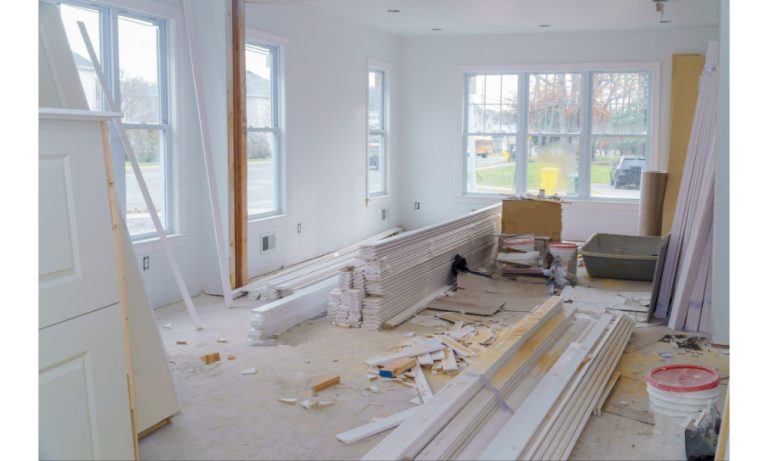
Renovation often feels like progress you can see and touch. Walls change, layouts shift, and finishes look smarter. Figures, however, rarely move from appearance alone. Pricing outcomes follow evidence, approval status, and market behaviour rather than surface polish. Renovation influences results only when changes align with how buyers and occupants actually use a space.
Renovation Versus Alteration in Valuation Terms
Renovation focuses on renewal, bringing ageing elements back into usable condition. Alteration goes further by changing layout, structure, or approved use. Each type affects assessment differently because risk, durability, and function sit at different levels, all of which feed into how property value is considered.
Within valuation reports, completed works are reviewed against approvals, workmanship quality, and relevance to market demand. Cosmetic upgrades and structural changes never receive equal treatment. Not every new tile earns the same line item in the ledger, no matter how shiny the grout appears.
How Functional Improvements Shape Market Reaction
Functional improvements influence decision-making more reliably than decorative changes. Better circulation, efficient storage, and updated services make daily use easier and future upkeep clearer. Buyers tend to recognise that practicality carries cost implications over time.
Valuers rely on transaction evidence where similar improvements attracted measurable pricing responses. When patterns hold, valuation reports explain how upgraded function links to observed outcomes. The emphasis stays on behaviour already shown, not enthusiasm still warming up on the sidelines.
Cosmetic Changes and Short-Term Appeal
Paint, fittings, and finishes refresh the presentation quickly. Properties often market faster after such work because initial impressions feel cleaner and more settled. First impressions still matter, even when substance waits underneath.
Despite positive reactions, pricing response remains cautious where cosmetic work stands alone. Finishes age, tastes shift, and replacement costs resurface sooner than expected. Valuation reports reflect this reality by treating presentation as supportive rather than permanent influence.
Structural Changes and Approved Use
Structural alterations alter how space functions over a longer horizon. Extensions, additional floors, or revised layouts affect occupancy options and income potential. Approval status becomes central, as unauthorised works introduce uncertainty.
When approvals align with completed work, property value may reflect added utility or clearer use. Documentation, construction quality, and remaining life are reviewed together. Solid records keep surprises out of the footnotes and expectations within reason.
Renovation Quality and Workmanship
Quality remains visible long after novelty fades. Poor workmanship introduces risk through repairs, downtime, and future cost. Consistent standards reduce friction during negotiation because fewer unknowns trail behind the finish line.
Inspection notes focus on materials, installation, and compliance. Observations remain factual and consistent across assignments. Where quality holds up, property value benefits from confidence rather than assumption.
Market Timing and Changing Conditions
Timing shapes renovation outcomes as much as the work itself. Strong demand can absorb upgrades more easily, while quieter conditions may mute response. Identical improvements can lead to different outcomes depending on wider activity.
Adjustment reflects current evidence, not optimism. Valuers align conclusions with recent transactions, ensuring property value assessment reflects prevailing conditions. Renovation never overrides market direction, no matter how fresh the paint smells.
Data, Tools, and Modern Valuation Practice
Valuation practice now works with broader data access. Digital plans, approval records, and transaction databases support clearer review of renovation impact. These tools improve documentation rather than judgement.
Clearer linkages between works and comparable evidence strengthen explanations inside valuation reports. Progress here shows up as consistency and traceability, not dramatic claims or headline moments.
Why Renovation Decisions Benefit from Valuation Insight
Renovation carries financial implications beyond construction cost. Understanding how changes translate into pricing response helps owners plan with fewer assumptions and tighter expectations.
Property value responds best when renovations improve use, compliance, and build quality. Valuation reports translate those outcomes into clear reasoning supported by evidence and context. The result feels steadier, less like a wager, and far easier to explain across the table. Contact CKS Property Consultants to discuss how renovation and alteration decisions are reflected in professional valuation work, using practical assessment and clear explanation.