
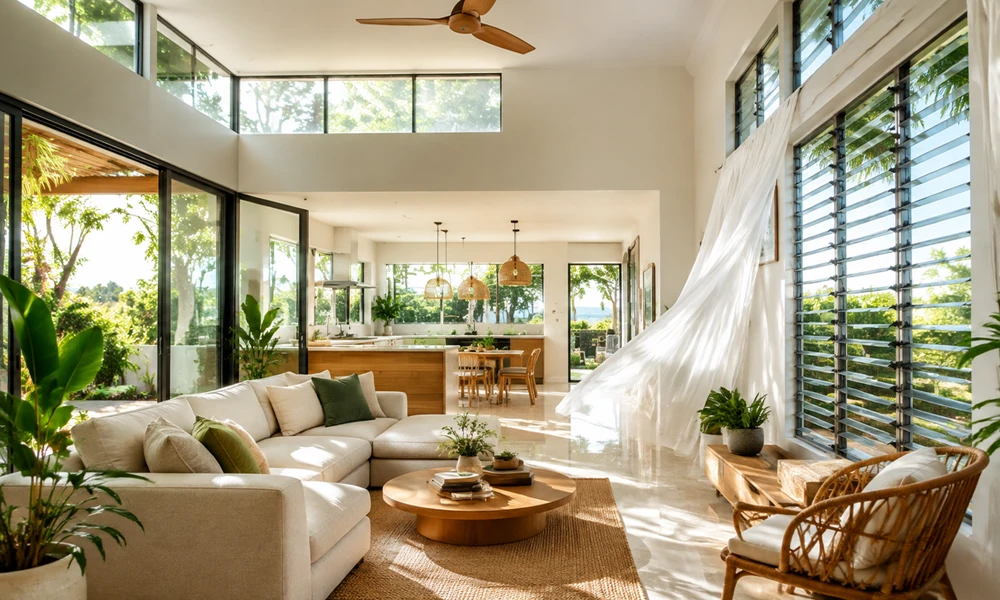
Natural lighting and ventilation have become important considerations for homeowners seeking comfortable and practical living environments in Singapore. A well-designed home should make effective use of daylight and fresh airflow while maintaining privacy and energy efficiency. These features influence how a space feels throughout the day and can affect everyday comfort in subtle but meaningful ways. As residential architecture continues to evolve, buyers are paying greater attention to how building orientation, window placement, room layouts, and outdoor connections contribute to the quality of indoor living.
Bringing More Daylight Into Living Spaces
Natural light can make residential interiors feel brighter, more spacious, and welcoming. Large windows, appropriate building orientation, and carefully positioned openings can allow daylight to reach living rooms, bedrooms, and other frequently used areas.
Good access to daylight can also reduce reliance on artificial lighting during parts of the day. Buyers should examine how much natural light reaches different rooms rather than focusing only on the size of windows. The direction a unit faces, surrounding buildings, and potential obstructions can all influence the amount of daylight available.
Supporting Comfortable Indoor Airflow
Ventilation is another important element of residential design. Effective airflow can help maintain a more comfortable indoor environment, particularly in Singapore’s warm and humid climate.
Windows positioned on different sides of a home may support cross-ventilation, allowing air to move through living areas more effectively. Buyers viewing a property should consider the location of windows and doors, the relationship between rooms, and whether the layout allows air to circulate naturally. These practical details can influence comfort throughout everyday use.
Reducing Dependence on Artificial Systems
Natural lighting and ventilation can complement mechanical systems within a home. When daylight is readily available and airflow is well planned, residents may have greater flexibility in how they use lighting and air-conditioning.
This can contribute to more efficient household routines. It does not eliminate the need for electrical systems, particularly during Singapore’s warmer periods, but thoughtful design can help residents make better use of natural environmental conditions. The result is a home that responds more effectively to its surroundings.
Improving the Feel of Interior Spaces
The quality of light can influence the atmosphere of a home. Daylight can highlight architectural details, make colours appear more natural, and create a sense of openness within rooms.
Ventilation also affects how comfortable spaces feel. A home with good airflow may feel fresher and less enclosed than one with limited natural ventilation. These qualities are difficult to capture through floor plans alone, which is why buyers should experience a property in person whenever possible.
Considering Privacy Alongside Natural Features
Maximising windows and ventilation does not mean sacrificing privacy. Modern residential design needs to balance access to daylight and airflow with the comfort of residents.
The positioning of windows, balconies, screens, landscaping, and neighbouring buildings can all affect privacy. Developments such as The Serra Residences demonstrate why buyers may consider how architectural planning integrates natural elements with residential comfort. Good design should allow residents to enjoy daylight and ventilation without feeling overly exposed.
How Orientation Influences Living Conditions
A home’s orientation can influence daylight, heat exposure, and airflow. Buyers should consider how the sun reaches different parts of the unit at various times of day and whether nearby buildings affect airflow.
This is particularly useful during a property viewing. Visiting at different times, where possible, can help buyers understand how natural conditions change throughout the day. Rather than judging a home solely by its appearance, observing its actual lighting and airflow provides a more realistic impression of everyday living.
Connecting Indoor and Outdoor Areas
Balconies, terraces, landscaped views, and well-positioned windows can create stronger connections between indoor spaces and the surrounding environment. These features can make homes feel more open while providing opportunities to enjoy greenery and outdoor views.
The relationship between interior and exterior areas is increasingly important in contemporary residential design. Buyers may appreciate homes that provide a visual connection to gardens, parks, or landscaped communal spaces without compromising practical living requirements.
Design Quality Influences Long-Term Comfort
Natural lighting and ventilation are most effective when integrated into the broader architectural design. Window placement, ceiling height, room proportions, building orientation, and surrounding landscaping can all contribute to indoor comfort.
Projects such as Dunearn Green illustrate why buyers often assess residential developments through several design elements at once. Natural features can complement efficient layouts, useful amenities, and thoughtful communal spaces to create a more comfortable living environment.
Choosing a Home With Environmental Comfort in Mind
Natural lighting and ventilation may seem like simple architectural features, but they can influence how residents experience their homes every day. Good daylight can create brighter interiors, while effective airflow can support a more comfortable indoor environment.
Homebuyers should therefore examine these qualities during property viewings rather than relying solely on brochures or floor plans. A home that makes thoughtful use of natural conditions can offer greater comfort, practical flexibility, and a stronger connection to its surroundings throughout the years of ownership.

Comments are closed.