
Introduction: Designing Smarter, Greener Public Spaces
As communities increasingly focus on sustainability and energy efficiency, modern parks are evolving beyond simple gathering areas into eco-friendly, multifunctional spaces. One of the most exciting innovations in park design today is the integration of solar lighting and renewable power into park shelters and structures.
Custom park shelters that harness solar energy not only reduce environmental impact but also enhance safety, usability, and aesthetics — all while lowering long-term maintenance costs.
So, can custom park shelters include solar lighting or power? Absolutely — and doing so is quickly becoming the gold standard for sustainable public design.
1. The Rise of Solar Integration in Park Design
Across North America, cities and communities are adopting solar-powered park features as part of their commitment to green infrastructure. By using sunlight — a free and renewable resource — solar systems provide reliable energy without adding to carbon emissions.
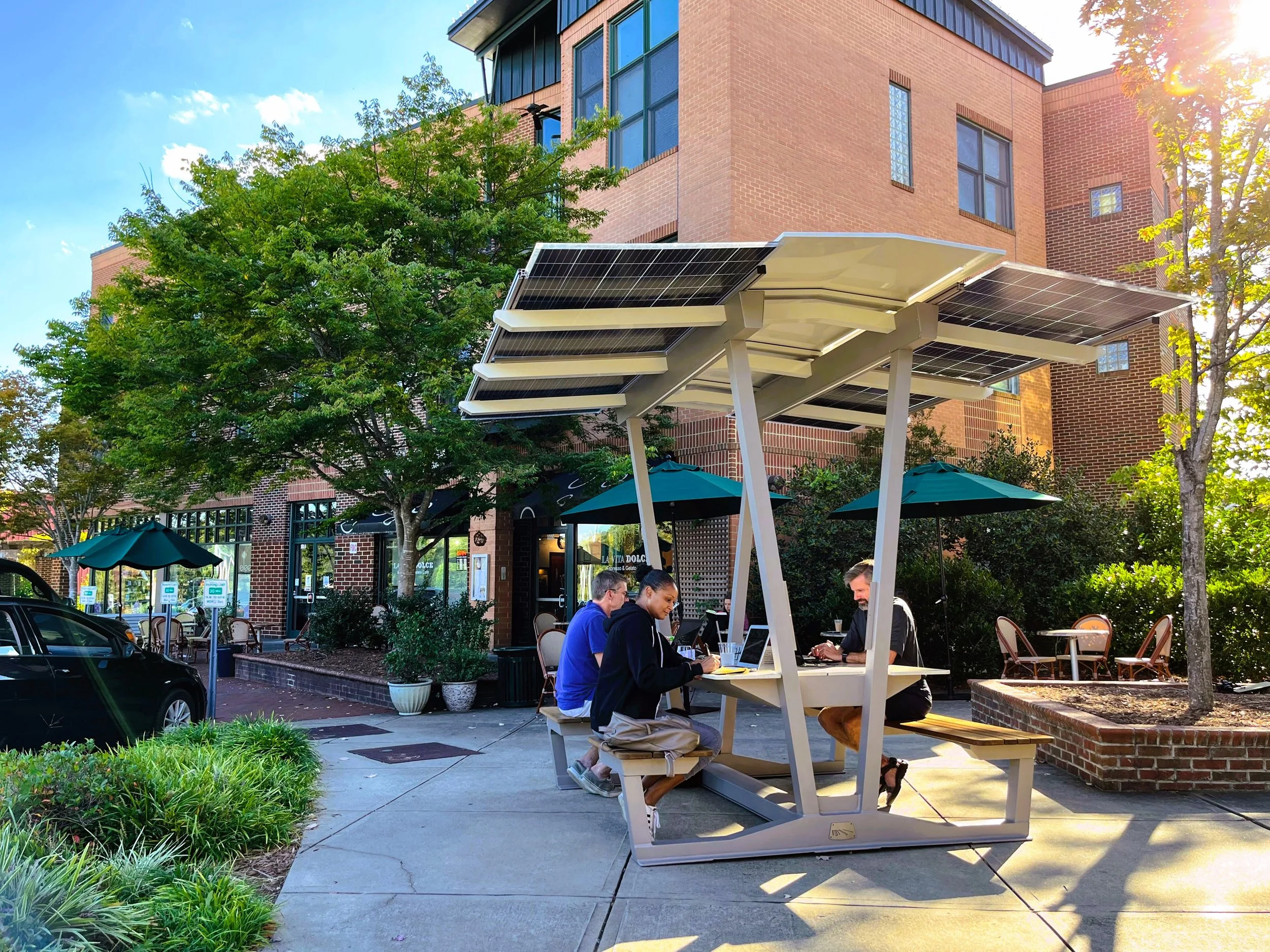
Solar panels can now be seamlessly integrated into park shelter roofs or nearby installations, powering LED lighting, charging stations, and small electrical outlets for public use.
This shift represents more than convenience — it’s a commitment to environmental responsibility and community innovation.
2. Benefits of Solar-Powered Park Shelters
Energy Efficiency and Cost Savings
Solar-powered systems drastically reduce reliance on traditional electricity. Once installed, they generate free energy from the sun, significantly lowering operating costs for municipalities or park authorities.
Safety and Accessibility
Solar lighting keeps parks well-lit after dark, increasing visibility for visitors and reducing the risk of accidents or vandalism. Families, joggers, and community groups can enjoy the park safely even in the evening hours.
Environmental Impact
Solar power produces zero emissions, helping communities meet sustainability goals and reduce their carbon footprint. It’s a small change that creates a lasting impact on both local and global levels.
Reliable During Outages
Unlike grid-dependent systems, solar-powered shelters can continue operating during power outages — providing light and power when it’s needed most.
3. Common Solar Features in Custom Park Shelters
Modern custom shelters can integrate a wide variety of solar-powered features, including:
- LED Overhead Lighting: Energy-efficient and bright, ideal for evening use.
- USB and Device Charging Stations: Perfect for visitors needing to charge phones, tablets, or small electronics.
- Security Cameras: Solar-powered surveillance enhances safety without electrical wiring.
- Wi-Fi Routers or Communication Devices: Some shelters can even power local connectivity systems.
All these features make solar-integrated park shelters smarter, safer, and more adaptable to community needs.
4. Design Flexibility and Aesthetic Integration
One of the biggest advantages of modern solar systems is their design flexibility. Solar panels can be integrated in ways that complement — rather than detract from — a shelter’s visual appeal.
Architects and designers can incorporate low-profile panels, angled rooflines, and custom framing to blend technology with natural surroundings.
Shelters can also include architectural elements like wood, metal, or composite finishes to maintain harmony with the landscape while supporting solar technology.
5. Durability and Low Maintenance
Solar-powered shelters are designed for longevity. High-quality photovoltaic panels can last 25 years or more with minimal maintenance.
Most systems are:
- Weather-resistant and built for year-round exposure.
- Self-sustaining, requiring only occasional cleaning of panels.
- Equipped with smart sensors that automatically regulate lighting based on daylight levels.
This ensures a reliable, low-maintenance solution that performs efficiently in all climates.
6. Custom Solutions for Modern Communities
Every park is unique, and so are its power needs. Custom shelter designs allow planners to choose the right combination of solar capacity, structure size, and features based on location and usage.
Whether it’s a small community pavilion or a large recreational canopy, solar integration can be scaled to fit specific goals — from simple illumination to full off-grid functionality.
Companies specializing in sustainable park infrastructure, such as Inspire Play custom park shelters, lead the way in combining architectural beauty with energy-efficient innovation. Their team works closely with city planners and landscape architects to create fully customized shelters equipped with solar lighting and power, ensuring both form and function meet community expectations.
7. Funding and Incentives for Solar Integration
Many regions offer government incentives and grants for solar-powered projects in public spaces. These programs can offset installation costs and make sustainable designs more affordable for municipalities.
By investing in solar-equipped park shelters, communities not only enhance their green footprint but also demonstrate leadership in environmental responsibility.
Conclusion: Powering Play with the Sun
Solar-powered park shelters represent the future of outdoor recreation — a perfect blend of technology, sustainability, and design excellence.
By integrating solar lighting and power, parks become safer, more accessible, and environmentally conscious spaces where families and communities can gather day or night.
As the world moves toward greener living, investing in solar-enabled shelters is more than an upgrade — it’s a commitment to a brighter, cleaner, and more sustainable tomorrow.

Comments are closed.