Category

Home

Category

Smart curtains can enhance your home automation system by adding convenience, energy efficiency, and an extra layer of control to your living space. Here are several ways in which smart curtains can enhance your home automation system:

Remote Control:

Smart curtains allow you to control the opening and closing of your curtains remotely. With the help of a smartphone app or a voice-controlled smart assistant, you can easily adjust the curtains from anywhere in your home or even when you’re away. This feature is particularly useful for convenience, security, and creating a lived-in appearance when you’re not at home.

Scheduled Automation:

Smart curtains can be integrated into your home automation system, allowing you to schedule specific opening and closing times based on your preferences. This feature enables you to automate your curtains to open in the morning to let in natural light or close in the evening for privacy. Scheduled automation can help save energy by optimizing natural lighting and reducing the need for artificial lighting and heating or cooling.

Integration with Voice Control:

Smart curtains can be integrated with voice-controlled smart assistants like Amazon Alexa or Google Assistant. This allows you to control your curtains using voice commands, providing a hands-free and effortless experience. You can simply say commands like “Alexa, open the curtains” or “Hey Google, close the curtains” to adjust them according to your preference.

Integration with Home Scenes:

Smart curtains can be synchronized with other smart devices in your home automation system to create customized scenes. For example, you can create a “Movie Night” scene that dims the lights, lowers the curtains, and turns on the TV with a single command. This integration enhances the overall ambiance and convenience of your living space.

What are the benefits of using smart curtains in your home?

Using smart curtains in your home offers several benefits that can enhance your living experience. Here are some of the advantages of using smart curtains:

Energy Efficiency: Smart curtains contribute to energy efficiency by allowing you to optimize natural lighting and temperature control in your home. You can schedule your curtains to open and close at specific times of the day to take advantage of natural light, reducing the need for artificial lighting. By blocking out sunlight during hot weather or closing them during cold weather, you can also minimize heat gain or loss, thus reducing the workload on your HVAC system and potentially lowering energy bills.

Privacy and Security: Smart curtains enhance privacy and security in your home. With the ability to control the curtains remotely, you can easily adjust them to ensure privacy when needed, such as in bedrooms or bathrooms. When you’re away from home, you can program your curtains to open and close at certain times, giving the impression that someone is present, thus enhancing home security and deterring potential intruders.

Protection of Furniture and Flooring: Sunlight can cause damage to furniture, flooring, and other valuable items in your home by fading or discoloring them over time. Smart curtains can be programmed to automatically close during peak sunlight hours, protecting your belongings from prolonged exposure to harmful UV rays. This feature helps to extend the lifespan and maintain the quality of your furnishings.
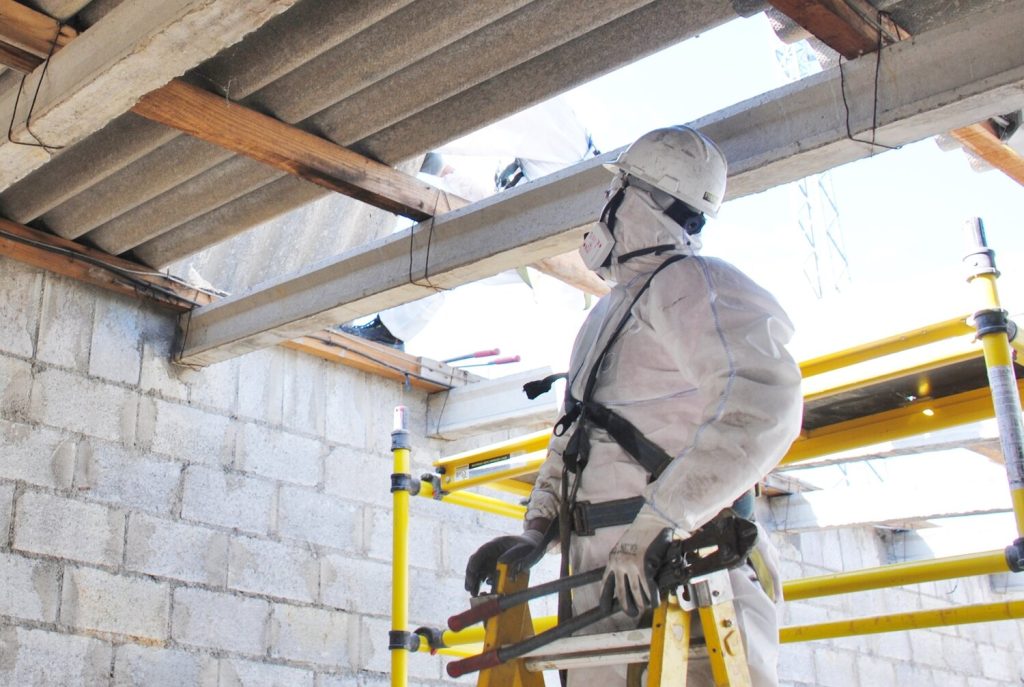

Asbestos, a naturally occurring mineral noted for its heat resistance and durability, was once widely employed in building materials. However, it has been banned in several countries because it poses health hazards. 

Despite being prohibited, asbestos-containing materials (ACMs) may still be present in older buildings, posing risks to occupants. Hence, to ensure safety and compliance with regulations, knowing when to perform asbestos inspections is essential.

The following are various scenarios when asbestos inspections should be considered: 

When Buying or Selling a Property

When buying or selling a property, asbestos inspections help in protecting everyone involved. Since asbestos is often hidden within building materials, it can be tough to detect them without proper testing. 

Hence, a comprehensive asbestos building inspection before a property transaction can help ensure both parties are aware of any asbestos-related risks. For sellers, disclosure of asbestos presence builds trust with potential buyers, while buyers can factor in necessary abatement costs if asbestos is found.

When You Suspect Asbestos Materials

Asbestos can be suspected in common construction materials, such as insulation, floor tiles, and roofing shingles. You may find it helpful to schedule an asbestos inspection and perform an asbestos building survey to take samples and conduct laboratory tests to verify asbestos presence further. This allows you to take appropriate actions based on the results. 

In Aging Buildings

Since asbestos was widely used in construction until the 1980s, many older buildings are more likely to contain ACMs. As these materials age and decay, the risk of asbestos fibres becoming friable increases, which can lead to potential exposure. By conducting regular asbestos inspections in these aging buildings, you can easily identify deteriorating materials and guarantee timely management or removal, safeguarding occupants from the associated health hazards. 

After Asbestos Encounters

Asbestos-containing materials may be disturbed when a property has been subjected to water damage, fire, or natural catastrophes. For example, asbestos fibres may be released from broken insulation or other components in fire-damaged structures. In such circumstances, post-event asbestos inspections are critical for assessing possible dangers and implementing suitable remediation steps.

Schedule an Asbestos Inspection Today!

Global Asbestos Audits is a licensed auditing and consulting firm based in Australia, best known for its asbestos registers and management solutions. For more information, contact them here.


If your property was built before the national asbestos ban in 2003, you should consider conducting an asbestos assessment.

When disturbed, asbestos can release dangerous levels of fibres into the air, increasing the risk of exposure to anyone in the building. As a means of mitigation and control assessment, asbestos air monitoring is conducted to ensure the safety of workers and occupants in asbestos-containing environments.

This guide will discuss the four main types of asbestos air monitoring methods reputable companies use. 

Exposure (Personal) Air Monitoring

The asbestos exposure air monitoring assesses the individual’s breathing zone to determine their exposure to respirable asbestos fibres.

In this method, the person wears a personal air monitor that measures the concentration of asbestos fibres in the individual’s breathing zone for a certain period. The individual’s exposure level will be compared with the national exposure standard.

Background Air Monitoring

If you suspect your building contains asbestos, you will likely plan a removal. Before any asbestos-related activities are conducted, background air monitoring is performed.

Asbestos background air monitoring is used to establish a baseline level of asbestos fibres in the environment for comparison with future events. This method is conducted to identify fibre-release sources and pre-existing conditions.

Fibre Release/Leakage Monitoring

The leakage or fibre release monitoring is conducted to analyse the efficiency of control measures during the removal of asbestos-containing materials (ACMs). During the process, also called control monitoring, the air is tested to measure respirable asbestos fibre levels during work.

This method is critical in identifying potential weaknesses in implemented measures and working methodology early. If elevated fibre levels are detected, corrective action must be taken immediately.

Clearance Air Monitoring

Removing asbestos from the property is not sufficient to consider the area safe. While you might think AMCs are no longer present, the risk of fibres in the air may deem the place unfit for reoccupation.

Clearance monitoring is performed to determine whether a property is completely clear of asbestos. This process determines the level of respirable fibres in the air following removal work. This is to ensure the area is guaranteed safe.

Clearance monitoring is usually done when preceded by the following:

  • Uncontrolled fibre release in asbestos work enclosure breach
  • Removal of bonded or non-friable asbestos
  • Identification of damaged asbestos-containing materials

Remember, the sooner you identify asbestos, the faster you can control it. As much as possible, you want to eliminate any risks posed by asbestos on your property, so contact Global Asbestos Audits for a comprehensive air monitoring routine.

The hospitality industry constantly strives to enhance the guest experience by integrating technology and comfort. One such innovation that has gained prominence in recent years is motorized blinds. These intelligent window coverings offer numerous benefits in hotels, resorts, and other hospitality establishments. This blog will explore the significance of motorized blinds in the hotel and hospitality industry, highlighting their advantages and impact on guest satisfaction.

●       Convenience and Comfort

Motorized blinds provide a high level of convenience and comfort for both guests and hotel staff. With automated controls, guests can effortlessly adjust the blinds to regulate natural light and privacy in their rooms. The ability to operate the blinds from a central control system, remote control, or even through smartphone apps adds a touch of luxury and convenience. Guests can easily customize the lighting conditions in their rooms without the need to manually operate the blinds.

●       Improved Room Ambiance

The ambiance of a hotel room significantly affects guest satisfaction. Motorized blinds offer precise control over lighting, allowing guests to create the desired ambiance with ease. Whether it’s adjusting the blinds to create a cozy atmosphere or opening them to enjoy panoramic views, guests can personalize their room environment. The versatility of motorized blinds enhances the overall aesthetics of the space and creates a positive impression on guests.

●       Enhanced Energy Efficiency

Energy efficiency is a top priority for hotels seeking to reduce their carbon footprint and operational costs. Motorized blinds play a vital role in optimizing energy usage. By automatically adjusting the blinds based on time of day, temperature, and lighting conditions, hotels can effectively manage the amount of natural light entering the room. This feature helps to regulate room temperature, reducing the load on heating, ventilation, and air conditioning (HVAC) systems. Consequently, hotels can achieve significant energy savings and promote sustainability.

●       Privacy and Security

Guest privacy and security are of paramount importance in the hospitality industry. Motorized blinds provide an added layer of privacy, allowing guests to easily control the level of visibility from outside. The ability to automate blind operations even when guests are not in their rooms enhances security. Hotels can program the blinds to open and close periodically, creating an illusion of occupancy and deterring potential intruders.

●       Ease of Maintenance

Hotels have a constant need for efficient maintenance solutions to streamline operations. Motorized blinds require minimal maintenance compared to traditional manual blinds. With automated controls, the blinds are less prone to wear and tear from frequent handling. In addition, some motorized blinds come with self-cleaning features, reducing the burden on hotel staff. This advantage saves time, effort, and maintenance costs in the long run.

Conclusion

Motorized blinds have revolutionized the hospitality industry by combining functionality, convenience, and aesthetics. Their ability to enhance guest comfort, optimize energy efficiency, and provide privacy and security makes them an invaluable addition to hotels and other hospitality establishments. By embracing this technological innovation, hotels can elevate their guest experience, differentiate themselves in a competitive market, and reinforce their commitment to sustainability and customer satisfaction.

“Construction is an important front for solidifying the foundations of a thriving country and creating bases for the people’s happy life,” said Kim Jong-un, Supreme Leader of North Korea.

As the construction business keeps on developing, imaginative advances are assuming an urgent part in forming the fate of value home construction. These state-of-the-art progressions are not just working on the proficiency and accuracy of the building system yet additionally improving the general quality and sustainability of homes. In this article, we’ll investigate five key advances that are changing the scene of home construction.

Building Information Modeling (BIM):

Building Information Modeling, or BIM is a progressive technology that empowers planners, specialists, and construction groups to make definite 3D models of the whole building project. BIM allows for better joint effort, a consistent combination of configuration changes, and further developed project representation. By mimicking construction processes for all intents and purposes, expected conflicts and clashes can be distinguished early, prompting more proficient construction and decreasing the probability of blunders during the real building stage.

Prefabrication and Modular Construction:

Prefabrication and modular construction are reclassifying customary building techniques. With prefabrication, parts of a home are fabricated off-site in a controlled climate, bringing about better-quality control and diminished construction time. Modular construction includes making total segments or modules of a home that can be collected nearby. These techniques lead to quicker construction, limited squandering, and upgraded consistency in the eventual outcome, at last adding to better quality homes.

Green Building Materials:

The utilization of reasonable and eco-accommodating building materials is picking up speed in the construction business. Green building materials, like reused materials, recovered wood, and low-VOC paints, assist with diminishing the ecological effect of home construction. These materials advance energy proficiency, indoor air quality, and a better-residing climate for homeowners.

3D Printing:

3D printing technology is upsetting different ventures, and home construction is no exemption. Enormous scope 3D printers can make whole building parts, for example, walls and veneers, utilizing different materials like cement and dirt. This creative methodology decreases squandering, construction time, and work costs while expanding plan adaptability and accuracy.

Smart Home Automation:

Smart home automation technology is turning out to be progressively famous among homeowners. Coordinating smart frameworks, like home security, lighting, warming, and cooling, allows homeowners to remotely control their residing spaces. Smart homes upgrade energy utilization, improve solace, and further develop security, giving a more customized and effective residing experience.

Losani Homes Grimsby is at the front line of integrating these state-of-the-art innovations into its construction rehearses. With a guarantee to remain in front of industry trends, Losani Homes use BIM for fastidious preparation, utilizes green building materials to make eco-accommodating homes, and investigates creative construction techniques like 3D printing.

Eyelet curtains are a popular choice among homeowners who want to add a touch of elegance to their homes. These curtains are made with small metal rings or eyelets that are sewn onto the top of the fabric. The rings then slide onto a curtain rod, making it easy to open and close the curtains. One of the biggest advantages of eyelet curtains is that they hang in soft folds, creating a relaxed and casual look that is perfect for modern homes.

When it comes to choosing the right eyelet curtains for your home, there are many factors to consider. Firstly, you need to think about the fabric. Lighter fabrics such as cotton or linen are great for letting in natural light and creating a breezy, summer vibe. On the other hand, heavier fabrics like velvet or brocade can add warmth and a touch of luxury to your interiors.

Another important consideration is color and pattern. Eyelet curtains come in a variety of colors and patterns, so you’re sure to find something that suits your taste and style. Bold and bright prints can add a pop of color to a neutral room, while soft pastels and florals can create a calming and soothing atmosphere.

Why are eyelet curtains the perfect choice for a modern and minimalist home?

Minimalist homes are all about simplicity and functionality. When it comes to choosing curtains, eyelet curtains are the perfect choice for creating a modern and streamlined look. The small metal rings or eyelets at the top of the fabric create a clean and uncluttered look, while the soft folds of the fabric add a touch of elegance and sophistication.

One of the biggest advantages of eyelet curtains in a minimalist home is their versatility. They can be easily combined with other design elements such as geometric patterns, clean lines, and neutral colors to create a cohesive and stylish look.

Another advantage of eyelet curtains is their ease of use. The rings slide smoothly onto a curtain rod, making it easy to open and close the curtains with minimal effort. This is particularly useful in a minimalist home where clutter and fuss are avoided wherever possible.

Can eyelet curtains help to reduce noise pollution in your home?

If you live in a noisy area, you’ll know how difficult it can be to get a good night’s sleep or work from home without being disturbed by outside noise. One solution to this problem is to install eyelet curtains in your home. These curtains can help to reduce noise pollution and create a more peaceful and serene environment.

The rings or eyelets at the top of the curtains allow them to hang close to the wall, creating a seal that helps to block out noise. This is particularly effective if you choose curtains made from thick and heavy fabrics such as velvet or wool.

Another advantage of eyelet curtains is that they are easy to install and can be used in conjunction with other soundproofing materials such as acoustic foam or soundproof curtains. This makes them a cost-effective solution to the problem of noise pollution.

Introduction

Whether you are dealing with ants, rodents, termites, or any other pests, it’s important to address the issue promptly and effectively. Maintaining a healthy and comfortable living environment necessitates the importance of pest control services. In this article, we will discuss 10 essential tips for effective pest control and ensure that you are doing them right. By following these tips, you can protect your home, family, and belongings from the nuisance and potential health risks associated with pests.

10 Essential Tips for Effective Pest Control: Are You Doing Them Right?

Pest control can seem like a daunting task, but with the right knowledge and approach, you can tackle it successfully. Here are 10 essential tips for effective pest control:

  • Identify and Seal Entry Points

The first step in pest control is to identify and seal all possible entry points. Pests can enter your home through small cracks, gaps, and openings. Inspect your walls, windows, doors, and foundation for any potential entry points and seal them with caulk or weatherstripping. This will prevent pests from infiltrating your living spaces.

  • Keep Your Home Clean and Tidy

Maintaining cleanliness is vital for effective pest control. Regularly clean your home, including floors, countertops, and storage areas. Eliminate clutter and dispose of trash properly. Pests are attracted to food and debris, so by keeping your home clean, you remove potential food sources and make it less inviting for pests.

  • Store Food Properly

Proper food storage is essential to prevent pests from infesting your pantry. Store food in airtight containers made of glass or sturdy plastic. This will keep pests like ants and rodents from accessing your food and contaminating it. Additionally, regularly check for expired items and dispose of them promptly.

  • Eliminate Standing Water

Pests, particularly mosquitoes, are drawn to standing water. Regularly inspect your property for any areas where water may accumulate, such as flowerpots, gutters, and birdbaths. Eliminate standing water to prevent pests from breeding and multiplying on your property.

  • Maintain Your Yard

A well-maintained yard can deter pests from entering your home. Trim shrubs and trees away from the exterior of your house to prevent pests from using them as bridges. Regularly mow your lawn and remove any fallen leaves or debris that can attract pests.

  • Dispose of Garbage Properly

Improper garbage disposal can attract a wide range of pests. Use sealed garbage bins and ensure they are emptied regularly. Clean the bins periodically to remove any food residue that may have accumulated. By disposing of garbage properly, you reduce the risk of pest infestations.

  • Seek Professional Help

If you are dealing with a persistent or large-scale pest infestation, it’s best to seek professional help. Pest control experts have the knowledge, experience, and tools to effectively eliminate pests from your home. They can assess the situation, identify the pests, and provide tailored solutions to address the infestation.

  • Use Natural Pest Control Methods

If you prefer environmentally friendly pest control options, consider using natural methods. For example, you can use diatomaceous earth, a non-toxic substance, to control crawling insects. Planting pest-repelling herbs like mint and basil in your garden can also help deter pests naturally.

  • Regularly Inspect and Maintain Your Home

Regular inspections and maintenance can help detect and prevent pest infestations. Check your home’s foundation, roof, and plumbing for any signs of damage or entry points for pests. Repair any cracks, leaks, or damaged areas promptly to eliminate potential access points for pests.

  • Educate Yourself

Knowledge is key to effective pest control. Educate yourself about common pests in your area, their habits, and the signs of infestation. By understanding the behavior of pests, you can take proactive measures to prevent them from entering your home.

FAQs (Frequently Asked Questions)

Q1: How often should I inspect my home for pests?

Regular inspections are crucial in pest control. It is recommended to inspect your home for pests at least once every season. Additionally, if you notice any signs of pest activity, such as droppings, chewed wires, or strange noises, it’s important to investigate and address the issue promptly.

Q2: How can I prevent ants from entering my kitchen?

To prevent ants from entering your kitchen, make sure to keep your countertops clean and free of food debris. Seal any cracks or gaps in your walls, windows, and doors. Consider using ant baits or natural repellents like cinnamon or peppermint to deter ants.

Q3: Are DIY pest control methods effective?

DIY pest control methods can be effective for minor infestations or as preventive measures. However, for persistent or large-scale infestations, it’s recommended to seek professional help. Pest control experts have the expertise and resources to tackle severe pest problems effectively.

Q4: How long does it take to eliminate a pest infestation?

The time it takes to eliminate a pest infestation depends on various factors, including the type of pest, the extent of the infestation, and the control methods used. It can range from a few days to several weeks. Seeking professional assistance can expedite the process.

Q5: Can pests cause health problems?

Yes, pests can pose health risks. Some pests, like mosquitoes and ticks, can transmit diseases such as West Nile virus and Lyme disease. Others, like cockroaches, can trigger allergies and asthma. Prompt and effective pest control is essential for safeguarding your health and well-being.

Q6: What should I do if I find a bed bug infestation?

Bed bug infestations can be challenging to eliminate on your own. It’s recommended to seek professional assistance for bed bug control. In the meantime, isolate infested items, wash bedding in hot water, and vacuum thoroughly. Avoid moving infested items to prevent further spread.

Conclusion

Effective pest control requires a combination of preventive measures, regular maintenance, and appropriate actions when infestations occur. By implementing the 10 essential tips discussed in this article, you can minimize the risk of pest problems and ensure a safe and comfortable living environment for you and your family. Remember to stay informed, take prompt action when needed, and consider seeking professional help for severe infestations.

If you’re looking to add a touch of elegance and warmth to your home, area rugs are the perfect solution. Not only do they add style and texture to any room, but they also offer practical benefits such as sound absorption, insulation, and protection for your floors.

Area rugs come in a variety of materials, including wool, silk, cotton, and synthetic fibers. Each material has its own unique qualities and benefits, such as durability, softness, or easy maintenance. Depending on your style and needs, you can choose from a range of colors, patterns, and sizes to create the perfect look for your space.

One of the most appealing aspects of area rugs is their versatility. You can use them to define a seating area in your living room, add comfort to your bedroom, or create a cozy atmosphere in your dining room. By choosing the right rug, you can transform any space into a welcoming and stylish retreat.

How to Choose the Perfect Area Rug for Your Space?

With so many options available, choosing the perfect area rug for your space can be a daunting task. However, by following a few simple guidelines, you can find a rug that compliments your decor and enhances the functionality of your room.

First, consider the size and shape of your room. A larger room can accommodate a larger rug, while a smaller room may benefit from a smaller rug that doesn’t overwhelm the space. Additionally, the shape of your rug should complement the shape of your room and furniture.

Next, think about the style and color of your room. If your decor is minimalist, a bold and colorful rug can add a pop of personality and interest. Alternatively, if your decor is already busy, a simple and neutral rug can provide balance and calm.

Finally, consider the material and construction of your rug. If you have pets or children, a durable and easy-to-clean rug may be your best bet. If you’re looking for a luxurious feel, a silk or wool rug can add a touch of elegance and warmth.

What Are the Latest Trends in Area Rugs?

As with any home decor element, area rugs are subject to trends and fashion. Currently, some of the most popular trends in area rugs include bold colors and patterns, natural materials such as jute and sisal, and vintage or antique styles.

Bold and colorful rugs can add personality and energy to any room. Think bright hues like fuchsia, turquoise, and mustard yellow. Geometric and abstract patterns are also in vogue, adding a modern and playful touch to your decor.

Natural materials are also gaining in popularity, particularly in eco-conscious households. Jute and sisal rugs are sustainable and durable, while also adding a rustic and earthy feel to your space.

Finally, vintage and antique styles are making a comeback. Think Persian or Turkish-inspired designs with a modern twist. These rugs add a sense of history and character to your decor, while also being timeless and versatile.

Homeowners prefer updated, modern, and tech-driven bathroom designs. They invest time and money to achieve their desired bathroom look, making it more welcoming and inviting. 

Vanities like smart mirror also play a vital role in boosting your bathroom appearance. You can match your mirrors with your preferred bathroom design for a better atmosphere. Aside from aesthetics, bathroom mirrors can give an illusion of space, making your room look spacious. 

Regardless of your bathroom size, here are tips you can consider to make your bathroom look more modern and luxurious: 

Add a Freestanding Bathtub

You can opt for a freestanding tub if your bathroom lacks vibes and dramatic effects. It is an iconic feature you can use to make your space look lively and modernise. Because of its modern, artistic style, freestanding that allows you to set up a strong focal point for the bathroom.

A freestanding bathtub has different shapes, like oval, rectangle, or square. You can also customise and design it for corner placement. It is best to avoid pedestals, intricate curves and patterns, and clawfoot tubs if you want a modern bathroom design. 

Use Bathroom Mirrors 

When designing your space, it is necessary to set up bathroom mirrors and lighting. They will work well together to create a functional atmosphere, mostly when doing bathroom activities such as shaving or doing makeup. 

One of the best choices for your bathroom is the LED mirror. This is among the new high-tech mirror styles in the market that can provide a brighter and more sophisticated ambiance. If you want to go for a more standard mirror, you can also choose a frameless mirror with a unique geometric style for your space. 

Consider Your Bathroom Lighting

Proper bathroom lighting helps you perform your activities easily and conveniently. It is also vital to consider if you want to keep up with the modern bathroom trends. For your vanity area, placing sconce lighting on the wall above your mirror is advisable. If you plan to put it on the side, find a mirror 60%-70% the width of your bathroom vanity. 

Bar lighting is also a popular choice. You can mount it horizontally or vertically near your mirror. If you want warm lighting, you can invest in recessed ceiling lights.

Choosing between wallpapers and paint for your walls can depend on various factors like your personal preferences, the room’s purpose, your budget, and the amount of time you’re willing to spend on installation and maintenance. Here are some considerations that may help you decide:

Appearance: Both wallpapers and paint can offer a wide range of designs and colors. However, wallpapers can often have more intricate patterns or textures, making them a better choice if you’re looking for a bold statement or a unique look.

Durability: While paint can be prone to chipping or fading over time, high-quality wallpapers can be quite durable and can last up to 10-15 years with proper installation and care. Additionally, wallpapers can also hide minor imperfections or cracks in the wall, making them a better choice for older homes.

Cost: In general, wallpapers can be more expensive than paint, especially if you’re opting for designer or custom-made options. However, wallpapers can be a better investment in the long run if they last longer and require less frequent updates than paint.

Installation and maintenance: Painting a room can be a relatively quick and easy process, while wallpaper installation can be more time-consuming and complex. Additionally, wallpaper may require periodic cleaning or repairs, while painted walls may need occasional touch-ups.

In summary, both wallpapers and paint have their advantages and disadvantages, and the best option for you will depend on your individual needs and preferences.

How to maintain wallpaper so it last long?

To maintain wallpaper and ensure it lasts long, here are a few tips:

  1. Keep it clean: Regularly dust your wallpaper with a soft brush or vacuum it with a soft brush attachment to prevent dirt and dust buildup.
  2. Avoid moisture: Keep your wallpaper away from water or moisture, as it can damage the material and cause mold or mildew growth.
  3. Protect from direct sunlight: Direct sunlight can fade or discolor wallpaper, so use curtains or blinds to protect it.
  4. Address damages promptly: If you notice any tears, scratches, or other damages, address them promptly to prevent them from spreading and causing further damage.
  5. Follow manufacturer’s instructions: Follow the manufacturer’s instructions for installation and care, as each type of wallpaper may have specific requirements.

By following these tips, you can help prolong the life of your wallpaper and keep it looking beautiful for years to come.