
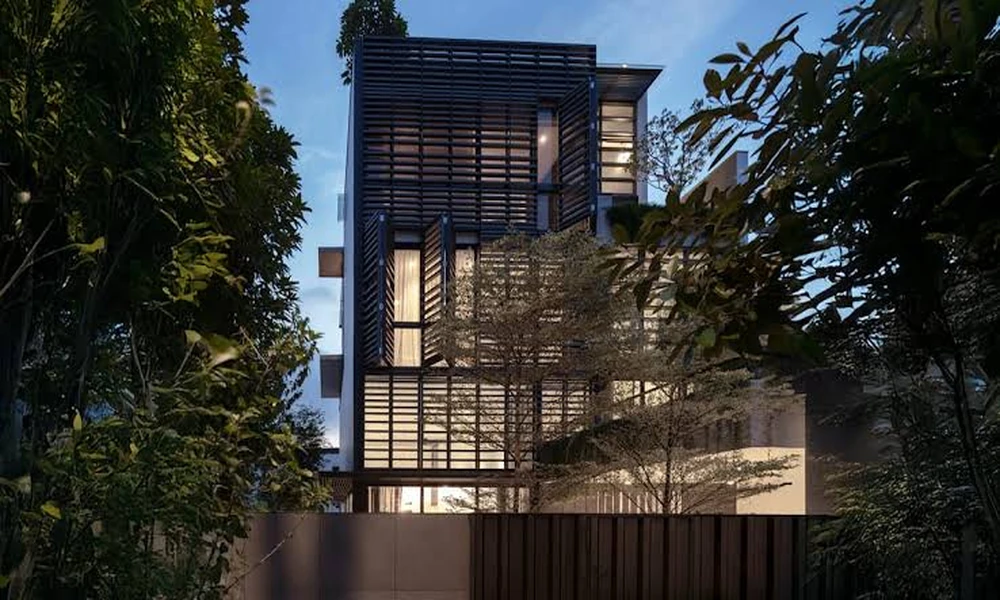
A residential neighbourhood is shaped by more than the homes within it. The spaces between buildings, public gathering areas, recreational facilities, and community amenities can influence how residents interact with their surroundings.
In Singapore, community spaces are an important part of urban planning. They provide opportunities for recreation, social interaction, and neighbourhood activities while supporting the development of more connected residential environments.
As lifestyles become increasingly diverse, the design and accessibility of these spaces deserve greater attention from property buyers and urban planners.
Why Shared Spaces Matter in Residential Planning
Shared spaces provide environments where residents can participate in activities outside their individual homes.
These may include landscaped gardens, playgrounds, fitness corners, community halls, outdoor seating areas, and recreational facilities.
Their usefulness depends on several factors, including accessibility, maintenance, safety, and the needs of the surrounding population.
For example, playgrounds may support families with young children, while walking paths and seating areas can appeal to older residents.
A successful communal environment should accommodate different age groups rather than focusing exclusively on one type of resident.
The Social Value of Neighbourhood Gathering Areas
Public gathering spaces can encourage informal interactions among people who might otherwise have limited opportunities to meet.
A shared garden, community event area, or neighbourhood recreation centre can provide a setting for conversations and organised activities.
These interactions may help residents develop stronger connections with their surroundings.
Community relationships can be particularly valuable in high-density residential environments, where many households live within relatively close proximity.
However, shared spaces should be designed with practical considerations in mind. Sufficient seating, convenient access, appropriate lighting, and regular maintenance can influence how frequently residents use them.
How Residential Projects Can Support Community Living
Community planning begins with understanding how residents are likely to use their surroundings.
When researching Langdon Heights, prospective buyers can consider the relationship between the development and the wider community environment.
Relevant factors include access to public spaces, recreational amenities, pedestrian routes, and nearby community facilities.
It is also useful to understand whether shared facilities are privately managed within a development or publicly accessible as part of the wider neighbourhood.
These distinctions can influence the availability, maintenance arrangements, and everyday use of communal spaces.
Chencharu Central Residences Within Singapore’s Community Planning Landscape
The development of new residential areas creates opportunities to consider how housing and community facilities can work together.
Chencharu Central Residences is associated with the planned residential transformation of the Chencharu area in Yishun.
For prospective buyers, the wider neighbourhood context is worth examining alongside the development’s official specifications. Community facilities, public spaces, recreational opportunities, and access to essential services can all influence the residential experience.
The availability and delivery status of individual facilities should be verified through official planning and project information.
Understanding how a development fits into its surrounding community can provide a broader perspective than evaluating its individual residential units alone.
Designing Inclusive Spaces for Different Generations
An effective community environment should recognise that residents have different physical abilities, interests, and lifestyle requirements.
Children may benefit from safe play areas, while teenagers may appreciate sports and recreational facilities.
Working adults may prefer outdoor exercise spaces or places to relax after work. Older residents may value shaded seating, accessible pathways, and convenient connections to nearby services.
Inclusive planning considers these different needs when designing communal facilities.
Barrier-free access, appropriate walking surfaces, and clear wayfinding can also help make shared environments more accessible.
The Relationship Between Green Spaces and Community Wellbeing
Landscaped environments can serve both recreational and social purposes.
Community gardens, parks, and green corridors provide places where residents can exercise, relax, and participate in outdoor activities.
These spaces may also create opportunities for organised gardening projects, neighbourhood events, and environmental education.
In a dense urban setting such as Singapore, accessible greenery can contribute to a more balanced residential environment.
However, the actual benefits depend on the quality, maintenance, and accessibility of the spaces provided.
Can Community Facilities Influence Property Appeal?
Shared amenities may contribute to a property’s attractiveness, particularly when they support activities that residents regularly enjoy.
Nevertheless, buyers should distinguish between the number of facilities available and their actual usefulness.
A development with extensive amenities may involve higher maintenance requirements, while a smaller collection of well-designed facilities could better meet residents’ needs.
Prospective homeowners should therefore consider the quality, accessibility, and management of communal areas before placing significant importance on them.
The Challenge of Maintaining Shared Environments
Community spaces require consistent maintenance to remain useful and welcoming.
Landscaping, cleaning, equipment inspections, lighting, and repairs all contribute to the long-term condition of shared facilities.
In private developments, management arrangements and maintenance contributions may influence how these spaces are maintained.
Public spaces are generally subject to their respective management and maintenance frameworks.
Understanding these responsibilities helps residents appreciate that community facilities require ongoing resources rather than being permanent features that need no further attention.
Creating Neighbourhoods That Encourage Participation
Strong residential communities develop through a combination of thoughtful planning and active participation.
Physical spaces provide opportunities for interaction, but residents also contribute through community activities, responsible use of facilities, and mutual consideration.
For Singapore’s residential landscape, community-focused planning offers an important way to create neighbourhoods that support more than individual housing needs.
Ultimately, a well-designed residential environment should provide comfortable private homes while also offering shared spaces where people can connect, relax, and participate in community life.

Comments are closed.