Category

Pet

Category

Did you know common risk factors for arthritis in dogs are genetics, age, and obesity? Dog owners can seek out treatment for arthritis. If you want to learn about dog joint supplements and more, you’re in the right spot.

In this guide, you’ll learn why you should research arthritis treatment for dogs. Your dog might need medication or a comfier bed. Arthritis is common among older dogs, but you can ease their symptoms.

Ready to learn more? Keep reading.

1. Consider Your Dog’s Diet

Dogs who suffer from arthritis can gain weight because they don’t exercise as much.

Yet, being overweight will end up worsening your dog’s arthritic condition. Look at starting your dog on a lean and nutritious diet to help weight management.

Obesity will put a significant strain on your dog’s joints. The pressure will end up causing wear and tear on your pet’s body.

Weight loss can help improve your pet’s health and prevent arthritis. If your pet already has arthritis, it can improve their symptoms.

Try to keep your dog at a healthy body weight. Talk to your vet to understand your dog’s body condition score. Your vet will help you come up with a solid nutritional plan.

You could start cooking them regular meals of rice, barley, lentils, and stewed meat. Try to add some parsley and celery to their meals as well. Avoid giving them human food and lots of dog treats.

2. What About NSAIDs?

You could consider getting non-steroidal anti-inflammatory drugs (NSAIDs). These drugs will help lessen swelling, pain, and stiffness in joints.

Yet, if you notice your dog’s moody, has itchy skin, or has a noticeable appetite change, contact your vet. Some dogs will experience adverse side effects from NSAIDs.

Talk to your vet if you’re worried about potential side effects. They can tell you more.

3. Try Going for Regular Walks or Swims

Dogs suffering from arthritis don’t tend to enjoy going for walks. Yet, it’s essential to keep moving and exercising so the condition doesn’t worsen. You don’t want your dog’s joints to degrade and cause muscle atrophy.

Ask your vet beforehand. Your vet might suggest you go for a short walk around your property.

Swimming will help keep your pet’s joints and muscles free from stiffness. After the walk or swim, consider doing gentle massages on your pet’s joints.

4. Research Different Supplements

Certain supplements can improve joint health and promote healthy cartilage such as cbd for dogs.

The supplements will have different amounts of chondroitin, glucosamine, and omega-3 fatty acids. Talk to your vet for a recommendation.

5. What About Natural Remedies?

Turmeric is a natural remedy to relieve some pain in arthritic dogs. Curcumin is a powerful natural antioxidant. Turmeric is also antiseptic, anti-inflammatory, and analgesic.

It’s an excellent alternative to NSAIDs or other pain relievers. Some people will also try out CBD or CBG. Learn more about the difference between the two.

6. Vet Treatments

You’ll also want to stay on top of visits to the vet.

Bring your dog to your trusted veterinarian. Your vet will complete comprehensive exams on your dog. This way, you can also detect early conditions and seek out diagnoses.

You can also consider a treatment plan for signs of arthritis. Your vet can also tell you if they notice any signs of discomfort or pain in your dog.

Sometimes, your pets might reveal subtle hints of arthritis. You might not have seen these behaviors. But your vet can help prevent irreversible damage to your dog’s joints.

You can treat your pet’s arthritis with anti-inflammatory medication or dietary supplements.

7. Pick Up a Comfy Bed

You can pick up an orthopedic dog bed created from memory foam. This kind of bed will support your pet’s bones and joints. A supportive bed is critical for thinner dogs, whose bones might get sore on hard surfaces.

Go to your pet store and find a bed explicitly created for a dog with arthritis.

8. Install Slip-Free Flooring

Older dogs often have difficulty navigating hardwood, tile, and stairs.

Cubes and ramps are options to assist your dog with climbing stairs or getting down from sofas. Try putting carpets or rugs on slippery surfaces. Your dog will have an easier time remaining steady on its feet.

Does your pet love to jump up and down from your sofa? Try to either put tiny climbing stairs or lift them. This can prevent wear and tear on their joints as they get older.

9. Massages Will Help

With care, you can massage your dog’s stiff muscles. Massages will help improve your dog’s flexibility and mobility. You can also improve your dog’s circulation and help them to relax.

Don’t put direct pressure on your pet’s joints. Are you unsure about trying to massage your dog?

There are professional pet massage therapists. Schedule an appointment today.

10. Don’t Forget Grooming

Dogs with arthritis won’t have the flexibility or stamina to maintain personal hygiene. You should bring your dog to the local groomer so they can remain clean and well-groomed.

Look at brushing your dog’s hair so you can prevent tangles or mats.

Don’t Forget About an Arthritis Treatment for Dogs

Did you find this guide on arthritis treatment for dogs helpful? Maintain exercising your dog, and look into natural dog joint supplements. Talk to your vet about possible dog arthritis treatment options.

Need some more helpful tips? Stick around the blog and check out the other pet-focused articles under the lifestyle category.

Did you know that there are roughly 3,750 different species of lizards? Reptiles are one of the most varied animals in the world, with countless species making excellent pets. If you’re trying to decide on a pet reptile, we’re here to help!

There are many types of pet reptiles, but what’s the perk of a reptile over a more conventional pet like a cat or a dog? Read on to discover five of the greatest upsides to having a reptile for a pet.

1. Save on Training

One of the more daunting things for conventional pets is to have them trained. Many breeds of dogs undergo expensive and thorough behavioral training to stop them from barking, growling, biting, or chasing other dogs. Cats sometimes can’t be trained at all and will cause property damage by clawing the furniture or marking areas of your house.

Reptiles, however, have no such needed training. Generally speaking, reptiles also aren’t receptive to such training – you likely won’t be able to train your bearded dragon to play fetch.

A big part of the lack of need for training is because they have their own living spaces. You won’t need to worry about your snake curling up on the sofa because your snake simply doesn’t want to be on your sofa!

If any training is necessary, it’s likely to train you as a reptile owner. It’s an adjustment to take care of these mostly solitary beasts, so you should expect to spend months learning the ins and outs of your new pet.

2. Safe and Contained

Speaking of their own living spaces, one of the great perks of reptiles is that they almost all stay in cages. These cages are variable, such as turtles needing aquariums that provide dry spots as well. Tortoises, bearded dragons, snakes, and other reptiles will have their own needs their homes need.

If you’ve ever had a friend who’s scared of dogs walk into your home and flinch at your dog barking, you know how good it is to have your animal contained in its own sanctuary. If your friends don’t like reptiles, they can simply avoid the cage and prevent stress to either party!

It’s worth knowing that these “cages” aren’t the same as stuffing a dog in a cage for hours on end. The majority of reptiles live sedentary lives, and their enclosures have everything they need to thrive. Think of it more like fish in an aquarium than mammals in a cage.

3. Almost No Maintenance

Another great perk for reptiles is that there’s a relatively small amount of maintenance that goes into caring for them. Animals like dogs require walking, frequent feeding schedules, brushing, veterinary trips, bathing, and much more.

These activities help you bond, and any good pet owner should take pride and enjoyment in getting to do these things with their beautiful animals. That said, they can also add to the stress and costs of owning a pet. People that don’t have much time may fail to complete some of these, which negatively impacts their pets.

Reptiles, however, are such low maintenance that even the busiest pet owner can keep them. General “maintenance” includes keeping their enclosures clean, cleaning the pets themselves if such a necessity arises, and feeding them. Most reptiles also have a long time between meals, which makes feeding them less expensive or stressful.

Because of this, they’re also great pets if you travel a lot. Many pet snakes can go a week or two without eating, while you’ll only need to complete an axolotl feeding every couple of days. Consult a reptile care guide to see how to care for a pet reptile if you’re unsure of what exactly your pet needs.

4. Long-Lived and Varied

There are hundreds of types of pet reptiles, making sure that you won’t struggle to find a reptile that you can take care of. Lizards, tortoises, turtles, snakes, and more are some of the most common you can expect. If none of these appeal to you, you can undoubtedly find something else that you’ll love.

But one of the best parts isn’t just how many there are, but how long they live. Some prefer pets like hamsters or rabbits that don’t have a long life span. These pets aren’t a long-term commitment because you know they’ll likely only last a few years even if you get them as a newborn.

There are certainly reptiles that are short-lived, but many have lengthy lives. Some may even outlive you, such as tortoises that can live for 50 to even 100 years! Other breeds of tortoises can live around 30 to 60 years, such as the pancake tortoise.

These pets can become family fixtures that go through generations of owners as beloved family members. Whether you want a century-old pet or not is a personal choice, but with reptiles, it’s a choice you can easily make. To ensure a longer life, make sure you know how to care for a pet reptile of your choosing.

5. Gentle Creatures

The final perk of a reptile is that despite pop culture sometimes showing them in a negative light, they’re almost all gentle creatures. Many snakes will enjoy curling up around their owner’s arm, and bearded dragons are known for liking to sit on a chest or shoulder.

Of course, not every reptile can safely be handled or played with. Look into how to raise a reptile at home to make sure that you aren’t bringing a venomous or aggressive animal. Just as with many breeds of dogs or cats, some reptiles are more aggressive than others.

As a whole, reptiles are docile and gentle. While you might get the occasional scratch from a lizard climbing on you, they’ll rarely ever mean to hurt you. Combined with the low maintenance, this helps make them excellent pets for younger pet owners especially.

Caring for a Pet Reptile

A pet reptile is often a long-term commitment, but not one that you should be afraid of. While long-lived, these gentle creatures require little maintenance and often keep to themselves. They’re a great fixture to bring life to your home and give you a small companion.

For more information on how to care for a pet reptile, feel free to browse our website to learn more.

Did you know that most people take four vacations each year? As much as we’d love to head to a destination that’s pet friendly, the odds aren’t in our favor. You’ll likely have to find other arrangements for your dogs while you’re away for an extended period of time.

Overnight dog boarding is a wonderful way to ensure that your dog is taken care of and has fun while you’re on vacation. Leaving behind your beloved pet can be emotional and stressful, but it doesn’t have to be.

This guide will discuss preparing both yourself and your dog for overnight dog boarding.

Make Sure They’re Up to Date on Vaccinations

Most reputable dog boarding facilities require your dog to be up to date on their vaccinations. Vaccinations keep your pet and the other dogs on the premises safe. They help minimize the risk of various communal diseases, such as:

  • Canine influenza
  • Bordetella
  • Rabies
  • Kennel cough

Don’t automatically assume that your dog will meet their vaccination requirements. Ask the facility what their vaccine requirements are for boarding dogs.

For example, the vaccine for canine influenza isn’t part of routine vaccinations for dogs. You will likely have to schedule an appointment for your dog to get that shot.

Know What Your Dog Needs

Before deciding what dog kennel you want your dog to stay at, you need to consider your pet’s needs and behaviors. Ask yourself the following questions:

  • Is your dog primarily outdoor or indoor?
  • Have they been left alone for extended periods of time in the past?
  • Do they have nutritional or health issues that will need to be addressed?
  • Does your dog get along well with other pets, dogs, and people?
  • Does your pet have bad or unusual habits?

After you’ve answered these questions, you’ll have a better idea of what dog boarding services you need to guarantee your dog is comfortable.

Visit the Overnight Dog Boarding Facility

Tour all dog boarding facilities that are on your list. The facility should be organized and clean, especially in the sections where your dog will be. The dog boarding facility should also be at a comfortable temperature with enough ventilation.

The dog boarding kennel should also have a state certificate on display. Certain states require routine boarding kennel inspections.

All of the outdoor spaces at the kennel should be protected and secure. Every dog should have their own kennel that’s the right size.

Speak with as many staff members as you can. They should be friendly and knowledgeable. If anything about the staff concerns you, move on to the next location.

You might want to ask them if they have grooming, bathing, training, or veterinary services on site.

Ensure You and Your Dog Have a Relaxing Vacation 

Overnight dog boarding is a great option to ensure your dog is properly cared for while you’re out of town. You’ll feel relaxed knowing they’re receiving personalized care.

Did you find this article helpful? Check out some of our other articles under our Travel category.

There are over 11,580 animal control officers in the US. They’re the unsung heroes of the community that keep all residents safe.

You may have seen them giving a lecture about animal care. When they’re not educating, they’re on the lookout for animals who are abused, abandoned, or stuck. They have the experience to take them to a new habitat safely.

If you’re interested in a rewarding career in this field, read on to learn what an animal control officer does and how to become one.

What An Animal Control Officer Does

Animal control officers were once known as dog catchers, but their role has expanded since then. Today, they have several duties that go beyond the scope of capturing dogs. Their work focusing on keeping communities and the animals in them safe.

It’s an animal control officer’s job to capture and relocate dangerous animals like snakes or coyotes that enter a home. If you want to learn about the most common entry points that these creatures use, read more here.

The officers’ duties also extend to animal rescue. They must find and save abandoned, abused, stray, or trapped animals.

They investigate animal cruelty cases and issue citations and warnings to suspects. Once the cases goes to court, they may be called upon to give their expert testimony.

The job also makes them an integral part of their community. They give educational seminars to provide information about basic animal care, rescue, and other important subjects.

Many animal control officers are on-call and could be sent to perform these duieis at any moment. They also spend a lot of their time on patrol looking for cases of dangerous or abused animals.

How to Become an Animal Control Officer

You’ll need to be at least 18 years old and have a high school diploma or GED to become an animal control officer. A college degree in animal or criminology-related fields makes you an even more desirable candidate. Many states require you to complete a certification course.

You’ll also need several skills such as emotional stability, interpersonal skills, and physical ability and stamina. You should be knowledgable in several areas, including:

  • Animal care, first aid, and nutrition
  • Humane animal rescue techinuqes
  • Public relations
  • Cruelty investigation
  • Law enforcement

Previous animal experience is helpful but not required. This could include working or volunteering as a vet tech, animal trainer, wildlife reahbilitor, or shelter manager.

Where to Learn More

Dog catchers once had a negative reputation, but their role has expanded since then. They now have the title of animal control officers, a job that deserves respect. They do more than take away strays; they work on abuse cases, relocate dangerous animals, give educational lectures, and more.

You’ll need physical ability to endure long days and the interpersonal skills to work with the community if you want to become one. You may also need to complete a certification course to learn basic law concepts and animal care and rescue skills.

Read the rest of our content for more information.

https://contentmanager.io/job/load-image?id=302964&filename=3aa1b2ec7845381eac3479dca76191b7.jpg

The American Security Services Industry is worth over $48 billion in 2022. They prevent crimes against persons, property, and even proprietary information. One way to protect the public is through detecting and seizing drugs.

Substance abuse can affect physical and psychological health. It’s a public health concern that impacts society on many levels. One way to detect and stop the spread of narcotics is through the help of drug-sniffing dogs.

Did you know that drug-sniffing dogs are not only for police and airport security use? Keep reading to learn how canine security services can maximize safety. 

What Do Drug-Sniffing Dogs Do?

A dog’s sense of smell is two thousand times stronger than that of a human. It’s also fifty times more sensitive than that of a human. Drug-sniffing dogs use their sense of smell to detect a variety of substances.

They can detect substances like cocaine, heroin, and ketamine. They can also find different marijuana strains and cannabis resins. They are ideal for these jobs because they can cover an area fast.

Two to six months is how long it takes to train a drug-sniffing dog. They also do training in different environments to help them be less distracted. After training, the dog and the handler must complete a certification process.

During early training, drug-sniffing dogs receive treats when they recognize the target scent. In time, handlers will only reward them if they show correct reactions.

Handlers and their drug-sniffing dogs will undergo many testing and retraining. It will ensure that their skills are reliable and up to standard.

Why Hire Drug-Sniffing Dogs?

In an experiment, dogs identified drugs with 87.7% indications of being correct in 64 seconds. It also identified German shepherds as one of the most efficient when it comes to drug detection.

Private drug-sniffing dogs can help schools, businesses, and individuals. They are usually non-aggressive when detecting drugs. They also locate narcotics without causing damage to private properties.

When you rent a drug-sniffing dog, you need to identify your purpose. There are many types of services drug-sniffing dogs offer. Also, consider the place that needs their services.

Drug-sniffing dogs can work in outdoor events such as concerts and festivals. Putting them in security checkpoints allows them to check people as they enter. They can also go around the venue to go through more populated areas like the bathrooms.

Landlords can also hire drug dog services to check apartment buildings. Drug-sniffing dogs can detect drug residue under doors and even on walls. Do remember that these searches will require a warrant or a permit.

The cost of drug-sniffing dogs ranges between $200 to $500. The dogs go around the property to search for narcotics. The dog will alert their handler once they pick up a scent.

Hire Canine Security Services Today!

These are ways to maximize safety with drug-sniffing dogs. Hiring drug dog services can help you avoid the dangers of drugs on your property and business.

Read more of our articles to get more security guides and tips today! We also have tech, law, and business articles to give your more helpful information.

There are around 1100 species of birds in the US, and some are closer to your home than you think. Feeding backyard birds is a great way to birdwatch and support local wildlife. But are you avoiding the common bird feeding mistakes?

It may seem easy to start feeding backyard birds, but sustaining the feeding can be harder. You can even do more harm than good too. 

The good news is knowing the common bird feeding mistakes and how to avoid them will improve your chance of success. Read on to learn six common bird feeder mistakes to avoid. 

1. Not Cleaning Regularly 

Not cleaning your birdhouses and feeders will damage them and can even spread disease. You will put your local birds at risk and need to replace feeders more regularly. Also, be sure to find bird feeder options and houses that are easy to clean. 

2. Using Poor-quality Seeds

It might be tempting to buy economic seeds in bulk, but they are filled with fillers. Birds do not eat filler ingredients, so you will waste your money, the seeds can cause weeds, and the birds will go hungry.

Avoid common filler ingredients such as rapeseed and wheat. Pick well-reviewed and quality food for birds. 

3. Leaving Feeders Empty

Do not forget about feeding winter birds! One of the most common bird feeding mistakes is leaving feeders empty, as birds will soon look elsewhere and not return. Keep feeders topped up with the right food for birds throughout the year. 

4. Forgetting Water

Birds like ground-level birdbaths and raised birdbaths. If you forget to water or do not change it, you will not get as many birds, and dirty water breeds disease.

Leave a space for birds to drink and bathe, which you can heat during winter. Never use pesticides or anti-freeze, which can be lethal for birds. 

5. Neglecting Bird Feeder Protection 

It is not only birds who like bird food. Other animals such as raccoons, rats, squirrels, and even bears will eat food for birds. Pick bird feeder options with protection so that birds can eat their meals without disturbance. 

6. Poor Placement 

It is important to plan where you place feeders and houses. Consider getting various housing and bird feeder options to appeal to different birds. For example, you can choose a bluebird house or a specific feeder for certain birds, such as hummingbirds.

Also, review where you are placing bird feeders. Place bird feeders close to cover but with an opening underneath. 

Avoid Bird Feeding Mistakes

Now you know some common bird feeding mistakes and how to avoid them. By taking these simple steps, you will be successful in feeding backyard birds. Save time and money by getting it right the first time. 

When you first set up your food for birds, have patience. It can take some time for birds to discover your feeders. But if you have suitable feeders, food for birds, and location, you will have many bird visitors before you know it.

Did you like this article? Read on for more gardening and wildlife articles!

Did you know that approximately 48,255,413 American households own a dog today?

Owning a dog is a rewarding experience. But finding the best dog breeds for your new pet can be a confusing process. 

If you’re planning on becoming a dog parent in 2022, we’ve put together this informative guide to help you find the right four-legged friend to join your family as an irreplaceable asset.

Read on to learn everything you need to about the different types of dog breeds that exist today. 

Sporting Dogs

Sporting dogs once existed to be a hunter’s companion, helping with the hunting of feathered game.

With the invention of the rifle, Sporting dogs arose from the necessity for canine assistance in retrieving game.

Hounds

Hound dogs were once grouped with sporting dogs due to their common hunting applications. However, they differ from sporting dogs in a few key ways.

Though all Hounds are known for their keen hunting abilities, this group includes a wide range of breeds. While classifying such a broad group of dogs is difficult, these fascinating, friendly dogs make devoted family pets.

Toy Dogs

The Toy breed has been developed over centuries as companions for their owners. These portable canines are most commonly found in their owners’ laps. Many of these breeds have been bred down from larger dogs, making them ideal for anybody with limited living space.

They are bright, inquisitive, and full of enthusiasm. Plus, they have strong guarding instincts and large personalities despite their small size.

Working Dogs

Working dogs are defined by their traditional responsibilities, including guarding, rescue, and security roles. Working dogs are the blue-collar workers of the canine community.

Historically, they do everything from hauling sleds and carts to protecting flocks and homes. You can unlock your Working dog’s natural instincts with a great dog trainer program.

Terriers

The Terrier breed originated in Britain. This breed is developed to hunt small animals and defend their owners’ property. They were also used for duties such as hunting badgers and rodents.

These dogs are courageous and self-assured –  they are willing to do whatever it takes to find their quarry, regardless of the terrain.

Herding Dogs

Herding dogs traditionally herded livestock under the direction of shepherds. These canines are extremely easy to train due to their intelligence and natural reactivity.

Though all of these dogs have the inherent ability to follow commands, those kept as pets are also caring and devoted friends.

Types of Dog Breeds Explained

So, that’s the 101 on the most common types of dog breeds that exist today.

Of course, there are hundreds of individual dog types within each class. Choosing the right four-legged friend to join your family is a complex yet exciting process, and we hope our guide points you in the right direction.

Did you find this guide informative? If so, check out the rest of our blog for everything you need to know about animal care, lifestyle, business, and more. 

A friend that’s always there for you, full of love, and never lets you down can be hard to find. But not when you’re looking at the animal kingdom. There are lots of different types of pets that make amazing companions—and of course, dogs are famously man’s best companions of all.

Getting a dog is a big commitment, but it’s one of the most rewarding and special relationships you’re ever likely to have. This is why it’s important to choose your dog breed wisely.

If you’re thinking of getting a dog, french bulldog puppies are an amazing choice, for so many reasons. Read on to find out what some of these are now.

French Bulldog Puppies Are Totally Adorable

Puppies and dogs, in general, make pretty cute pets, but there’s something about French bulldog puppies that’s particularly charming and adorable. Their pointed ears, soft coats, and little snouts come together to make a perfect package of cuteness. Best of all, when they grow into adulthood, French dogs retain their cuteness and even take on a regal nature that you won’t find in every dog breed.

They’re Loving and Friendly

Some dogs tend to be shy, introverted, or even aggressive. One of the best things about Frenchies is that they’ve got the sweetest nature imaginable. When it comes to both humans and other dogs, they’re playful and full of friendly affection.

Another positive trait they possess is that they’re patient and easygoing. While puppies do tend to be rambunctious, Frenchies are easy to control and train, so you’ll soon find them to be the perfect pet.

They Do Well in Most Environments

There are certain dog breeds that, because of their temperament or physicality, don’t do well in certain environments. Huskies, for example, don’t make good apartment dogs, while Chow Chows don’t handle extreme heat well. 

In contrast, French bulldogs are an adaptable breed that can do well in a variety of different living situations and climates. They are comfortable in large or small homes, hot or cold climates, with single people or families. 

They’re Great With Kids

Puppies are great additions to families with kids because they are able to grow up and develop in tandem with one another. There are not many bonds more special than that of a kid and their dog. But unfortunately, not all dogs do well with families and children.

This isn’t a concern with French bulldogs, though. In fact, they love kids and fit right into big or small families. Their calm and even temper means that you don’t have to worry about how your child and your Frenchie will get on.

Are French Bulldogs Good Pets?

Taking all of the above into account, it’s hard to imagine a cuter and more perfect companion than French bulldog puppies. As with any breed, there are of course french bulldog pros and cons, but most find the benefits far outweigh the challenges.

If you think this could be the pup for you, don’t delay in seeking out French bulldog puppies for sale. For more practical pet tips, check out the rest of our content now.

Did you know that approximately 38 percent of American households have at least one dog? Once you welcome a dog into your home for the first time, it’s difficult to ever go back! Having an adorable furry friend to greet you when you get home is one of life’s greatest pleasures that’s difficult to give up.

Perhaps you’re considering finally making the jump and bringing a dog into your home. Are you a pet lover who is getting ready to get their very first dog? If so, here’s how you can welcome your new friend by turning your beloved home into a pet-friendly household.

Create Spaces for Their Daily Activities

We all have established spaces in our homes for sleeping, eating, or relaxing. Therefore, a good dog parent should carve out similar spaces for their new friend!

Decide in advance exactly where in your home you and your family will be comfortable with your new dog doing his or her essential daily activities. Pick special spots for their food and water bowls as well as their beds and toy baskets where you know they will be unlikely to be disturbed.

The quicker your dog becomes used to them, the quicker they’ll adjust to your home!

Be Prepared for Accidents

No matter the age of the four legged friends you bring into your home, it will take them a while for their bathroom habits to adjust. Potty training is rarely accomplished to perfection right away, so you should accept the inevitability that your floors, carpets, or furniture may have to endure the occasional accident.

Try shopping https://www.alphatechpet.com/odor-control.aspx to make sure you have some quality cleaning materials and pet odor removers at the ready. Cleaners made specifically for pet accidents will reinforce good habits and help you maintain a sustainable home for your man’s best friend.

A Pet-friendly Household Adjusts to a Dog’s Habits

Dogs come in all shapes, sizes, behaviors, and temperaments, and you often don’t know exactly what kind of dog you’re living with until you’ve spent a few weeks or months with them. Being a smart homeowner means staying vigilant of your dog’s habits and adjusting accordingly.

For example, there’s a chance you may notice your dog likes to chew on specific items of furniture. If so, you should invest in some protective coverings for your furniture while you try to train away the behavior. If your dog is big enough to hit or interact with anything fragile or breakable, such things should be moved out of harm’s way.

While your dog gets used to the ins and outs of your home, your home should get used to him or her too!

Stay Up-To-Date and Ahead of the Curve!

Building a pet-friendly household is both a learning experience and a continuous process, so don’t let any other lifestyle or home improvement skills fall by the wayside!

Keep up with our blog for even more of the latest in home, health, travel, and more!

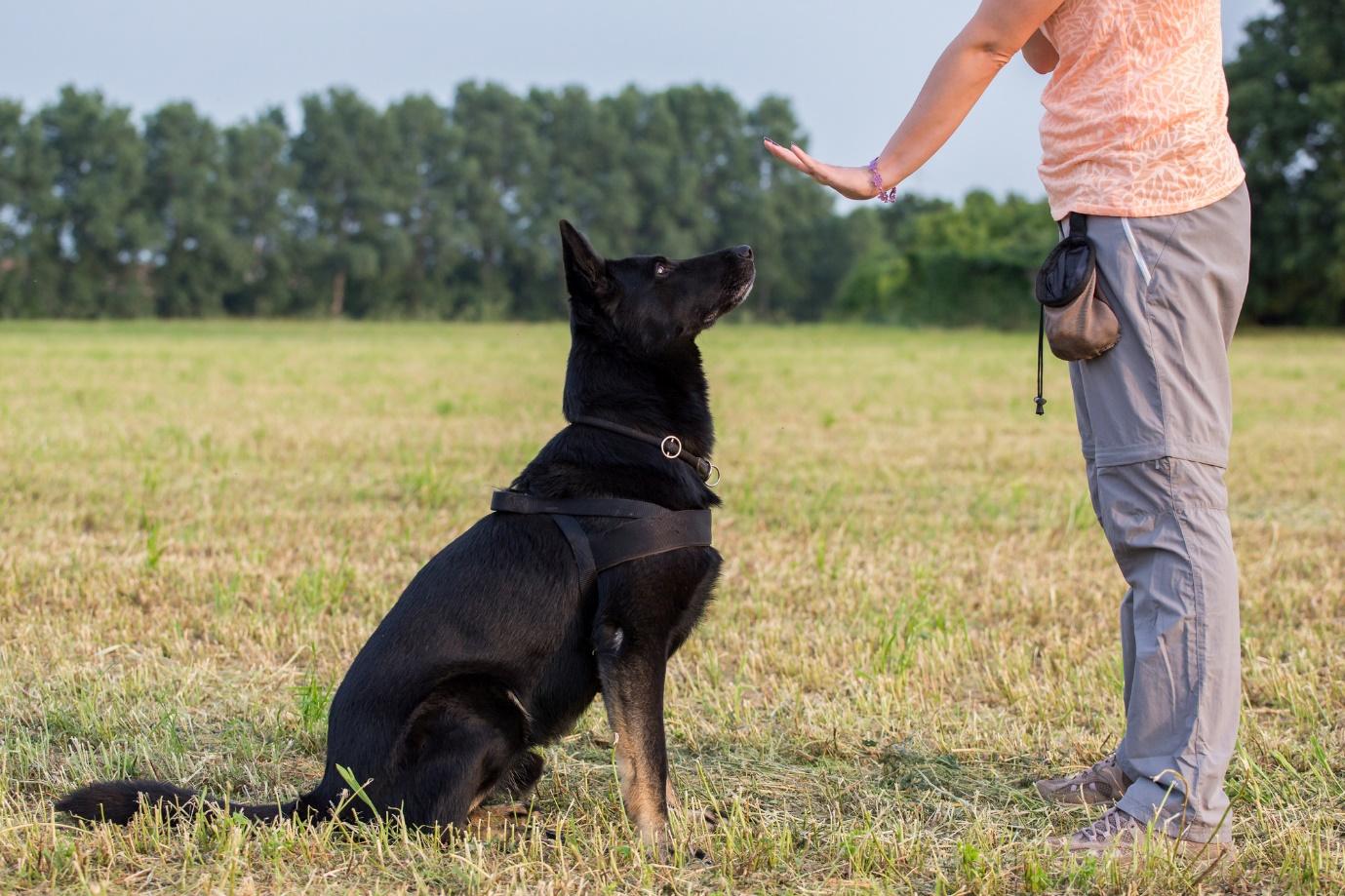
The right dog trainer will allow you and your pet to have a much more meaningful relationship. 

The more responsive and obedient your pet is, the closer your bond can be. That requires a trainer, though, and not all trainers are alike. It’s important to find ones that share your values and train your animal in a way that you approve of. 

We’re going to talk about finding a dog trainer today, giving you some insight into how you can find the best match. Hopefully, the ideas below produce some questions for you to ask the next professional dog trainer that you speak to. 

1. Training Philosophy

The first thing to do is ask about their approach to training. Ask why they train dogs, what dogs mean to them, and how they feel about their profession. This initial inquiry will give you a lot of insight into the person’s passion and commitment to their profession. 

You can find out if they’re overly stern or more forgiving, for example. 

2. Ask About Reinforcement

Reinforcement is one of the key principles of dog training. Dogs repeat behaviors that they’re rewarded for. Alternatively, some dogs might not repeat behaviors that they’re punished for. 

Positive reinforcement is the reward, while negative reinforcement is the punishment. It’s important to know where your trainer stands on these practices. 

3. Look at Customer Reviews

The best way to know if someone gets results is to ask the customers they’ve worked with in the past. Good trainers should have a number of positive reviews under their belt. 

Make sure that negative reviews are few and far between. This is particularly true if you see any comments about the poor treatment of animals. 

4. Consider Your Goals

There are different ways to train animals. Different owners have unique reasons for wanting to train their dogs. If you’re looking to get your dog to stop jumping on people and behave more politely, you might find different trainers than you would if you wanted to hunt with your pup. 

Take a look at this post to learn more about stopping jumping.

5. See How They Keep Up

Animal training methods are always advancing. New research points to different tactics when it comes to training. It’s important that your dog training incorporates cutting-edge ideas. 

Ask the trainer how they stay in touch with modern advances in professional dog training. 

6. Observe a Class

Good dog trainers should allow you to observe a class before you commit to working with them. 

This is an excellent way to get a feel for whether you approve of their teaching practices. There’s not a great way to find out how the class will go until you watch it. 

7. Ask The Trainer for a Reference

If the online review search didn’t yield a lot of results, ask the trainer if they can provide you with some references. A phone number of a previous client will do. 

This way, you can get a direct answer as to whether this person is reliable and trustworthy with your pet. 

In The Process of Finding a Dog Trainer?

Finding a dog trainer can be tricky. The results will amaze you, however, and you’ll be proud to own your newly obedient dog. Dog behavior is complex and difficult to change, but a trainer can work with your animal in a way that really improves things. 

We’re here to help with more ideas. Explore our site for more insights into animals, pets, travel, and a whole lot more.